EN71 is a group of European safety standards for toys. It helps reduce risks that may happen when children play with a product. If a toy includes cosmetic materials, such as lip gloss or eye shadow for play, EN71 is often one of the key standards used during safety assessment. However, it is not always the only regulation that applies.
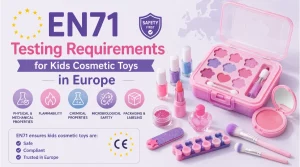
Understanding the Purpose of the EN71 Standard
The main goal of EN71 is to make sure toys are safe during normal use and also during reasonably expected misuse by children. The standard covers physical, chemical, and flammability risks that may appear while a child is playing.
EN71 is closely linked to the EU Toy Safety Directive (2009/48/EC). The Directive sets the legal safety requirements, while EN71 provides technical test methods that manufacturers and testing laboratories use to show compliance. Products that meet the relevant EN71 parts are generally considered to satisfy the related safety requirements of the Directive.
What Products Are Considered Kids Cosmetic Toys?
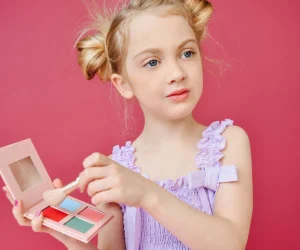
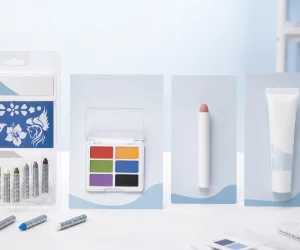
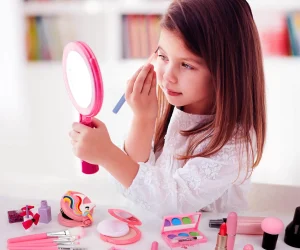
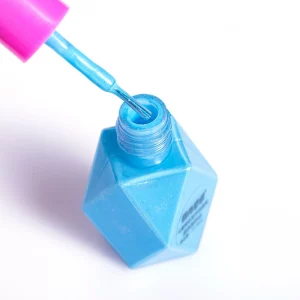
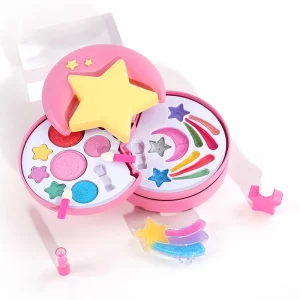
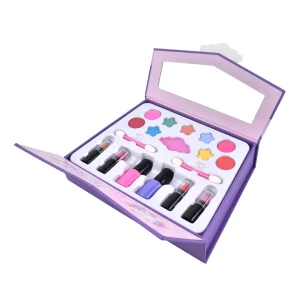
Kids cosmetic toys are play products that contain cosmetic-like substances and are designed mainly for entertainment. Common examples include pretend makeup kits, children’s face paint sets, toy nail color kits, and role-play beauty sets with cosmetic compounds.
The intended purpose is an important factor. If the product is marketed for play by children, it is generally treated as a toy. Even when the product contains cosmetic ingredients, toy safety rules may still apply because children interact with it during play rather than for daily personal care.
Difference Between Cosmetic Products and Cosmetic Toys
A cosmetic product is intended to clean, protect, perfume, or change the appearance of the human body. In the European Union, these products are regulated under Regulation (EC) No. 1223/2009 and must meet cosmetic safety requirements before being placed on the market.
A cosmetic toy has a different primary purpose. It is designed for play, even though it may include cosmetic substances. Because of this, it often falls within the scope of toy legislation. In some cases, both toy and cosmetic rules may apply at the same time.
Therefore, manufacturers should assess the product’s intended use, target users, product claims, and design before deciding which regulatory requirements are relevant.
Which EN71 Parts Are Relevant to Kids Cosmetic Toys?
EN71 is made up of several parts, and not every part applies to every toy. For kids cosmetic toys, the applicable tests depend on the product’s design, materials, and intended use. A safety assessment helps identify which EN71 requirements should be considered before testing begins.
EN71-1 – Mechanical and Physical Properties
EN71-1 checks whether a toy has physical hazards that could injure a child during normal play or reasonably expected misuse. It covers the toy’s structure, strength, shape, and small components.
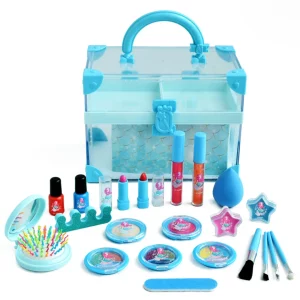
For kids cosmetic toys, this standard mainly applies to packaging, containers, applicators, mirrors, brushes, and other accessories. The goal is to reduce risks such as cuts, choking, or eye injuries that may result from damaged or poorly designed parts.
Common Physical Safety Hazards
Common hazards include small detachable parts, sharp edges, sharp points, and weak plastic pieces that can break during use. Small components may present a choking risk, especially for children under three years of age.
Other concerns include loose decorations, poorly attached accessories, and containers that crack easily. Testing helps confirm that these parts remain safe under expected play conditions.
Age-Grading Considerations
The recommended age of the user affects how the product is assessed. Toys intended for younger children are generally subject to stricter safety requirements because they are more likely to be mouthed or handled roughly.
Age grading should be based on the toy’s design, function, and expected user behavior. It should not be selected only to avoid certain testing requirements or warning labels.
EN71-2 – Flammability Requirements
EN71-2 evaluates how quickly toy materials burn when exposed to a flame. The purpose is to reduce fire hazards during foreseeable use.
Although many kids cosmetic toys contain only small amounts of cosmetic material, items such as wigs, textile accessories, or decorative fabrics included in play sets may also need flammability assessment. Materials that ignite easily or burn too quickly may not meet the standard.
EN71-3 – Migration of Certain Elements
EN71-3 measures whether certain chemical elements can migrate from toy materials into the body if children suck, lick, or swallow small amounts of the material. The test simulates contact with stomach acid under controlled laboratory conditions.
This requirement is especially important for kids cosmetic toys because children may accidentally place applicators, makeup, or painted parts in their mouths during play. The test focuses on potential exposure rather than the total amount of an element in the product.
Heavy Metals Covered Under EN71-3
EN71-3 sets migration limits for a list of regulated elements. These include lead (Pb), cadmium (Cd), mercury (Hg), arsenic (As), chromium (Cr), antimony (Sb), barium (Ba), selenium (Se), and several others listed in the current version of the standard.
The acceptable limits vary depending on the type of toy material. Dry, brittle, liquid, and scraped-off materials are placed into different categories because children may be exposed to them in different ways.
Why Migration Testing Matters
The presence of an element does not automatically mean a toy is unsafe. EN71-3 evaluates how much of that element can migrate under conditions that represent possible exposure after accidental ingestion.
This approach provides a more realistic safety assessment than measuring only the total concentration. It helps determine whether the material releases regulated elements at levels that remain within the limits defined by the standard.
Other EN71 Parts That May Apply
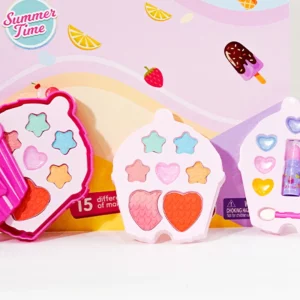
Some kids cosmetic toys may need additional EN71 assessments depending on their features. For example, products containing organic chemicals may also require evaluation under EN71-9 and related standards when applicable.
Other specialized EN71 parts may apply if the toy includes experimental activities, sensory functions, or specific materials. The final testing plan should always be based on the product’s design, intended use, and results of the overall safety assessment.
How Are Kids Cosmetic Toys Tested Under EN71?
EN71 testing follows standardized laboratory methods rather than simple product checks. The exact tests depend on the toy’s materials, structure, and intended use. Before testing starts, the laboratory reviews the product to determine which EN71 parts are applicable.
Sample Preparation and Laboratory Procedures
Testing begins with representative production samples. The samples should match the final product that will be placed on the market, including the cosmetic material, packaging, applicators, and accessories.
The laboratory records product details such as age grading, material type, and intended use. It then selects the required EN71 test methods and prepares the samples according to the procedures defined in the relevant standard.
If a toy contains different materials, each material may require separate evaluation. For example, plastic containers, cosmetic compounds, brushes, and painted parts may be tested differently because each presents different safety concerns.
Mechanical Safety Testing
Mechanical testing evaluates whether the toy can withstand normal play without creating physical hazards. The laboratory checks parts that could break, detach, or become dangerous during use.
Typical tests include tension, compression, drop, impact, and torque tests. These procedures help determine whether small parts can separate from the toy or whether sharp edges or points appear after stress.
The laboratory also examines dimensions of small components and accessible openings. These checks help identify choking, pinching, or trapping hazards, especially for products intended for younger children.
Flammability Testing
Flammability testing measures how quickly certain toy materials ignite and burn when exposed to a controlled flame source. The procedures and acceptance limits are specified in EN71-2.
Not every part of a kids cosmetic toy requires this test. It mainly applies to combustible materials such as wigs, textile decorations, or other flammable accessories included in the play set.
The laboratory records ignition behavior, flame spread, and burning rate. The results are then compared with the limits defined in the standard to determine compliance.
Chemical Migration Testing
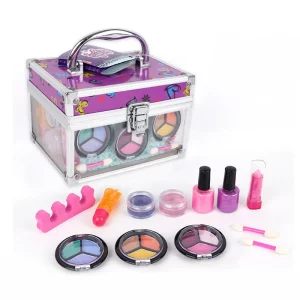
Chemical migration testing follows the methods described in EN71-3. The laboratory first separates the relevant toy materials into categories such as dry, brittle, liquid, or scraped-off materials.
The samples are treated with a solution that simulates stomach conditions. The extracted solution is then analyzed using laboratory instruments to measure the migration of regulated elements.
The measured values are compared with the migration limits specified in EN71-3. Compliance depends on the amount of each element that can migrate, not simply on its total content in the material.
Typical Testing Timeline and Documentation
Testing time varies with product complexity and the number of applicable EN71 parts. For many kids cosmetic toys, laboratory testing is commonly completed within several business days to a few weeks, provided that no retesting is required.
After testing, the laboratory issues a test report that lists the product information, test methods, measured results, and compliance conclusion. These reports become part of the product’s technical documentation and may be used to support regulatory compliance during market surveillance or conformity assessment.
EN71 vs. EU Cosmetics Regulation: What Is the Difference?
Although kids cosmetic toys may look similar to regular cosmetics, they are not regulated in the same way. EN71 focuses on toy safety, while the EU Cosmetics Regulation focuses on the safety of cosmetic products.
Different Regulatory Objectives
The two frameworks have different purposes. EN71 supports the safety requirements of the EU Toy Safety Directive by evaluating hazards that may occur during children’s play. The EU Cosmetics Regulation aims to ensure that cosmetic products are safe when applied to the human body under normal or reasonably foreseeable conditions of use.
The following table highlights the main differences.
When Both Regulations Apply
Some children’s makeup sets contain cosmetic substances but are also designed mainly for play. In these cases, the product may need to meet both toy safety and cosmetic requirements, depending on its design, intended purpose, and legal classification.
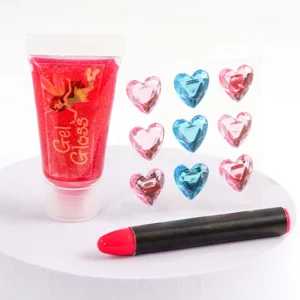
For example, a pretend makeup kit that contains real lip gloss or eye shadow may require assessment under toy legislation as well as cosmetic legislation. Manufacturers should evaluate the complete product rather than focusing only on the cosmetic material.
Common Misunderstandings About Dual Compliance
A common misunderstanding is that passing EN71 testing automatically allows a product to be sold as a cosmetic in the European Union. This is not correct. EN71 evaluates toy safety, but it does not replace the requirements of the EU Cosmetics Regulation.
Another common mistake is to classify a product only by its ingredients. In practice, authorities also consider factors such as the product’s intended purpose, presentation, marketing claims, packaging, and expected use. A proper regulatory assessment is often needed before deciding which legal framework applies.
What Are the Key Safety Requirements Beyond EN71?
EN71 is an important part of toy safety, but it is not the only requirement for kids cosmetic toys sold in Europe. Depending on the product, manufacturers may also need to comply with EU chemical laws, toy legislation, and labeling rules. These requirements work together to improve product safety and provide clear information to consumers.
REACH Restrictions
The EU REACH Regulation ((EC) No. 1907/2006) controls the use of many chemical substances in products placed on the European market. For kids cosmetic toys, manufacturers should review whether any restricted substances are present in the product or its materials.
Key REACH considerations include:
- Restrictions on substances listed in Annex XVII.
- Limits for certain heavy metals, phthalates, and other restricted chemicals where applicable.
- Control of Substances of Very High Concern (SVHCs) under the Candidate List.
- Communication obligations if SVHCs exceed the applicable threshold in an article.
- Ongoing monitoring because REACH restrictions are updated regularly.
Toy Safety Directive Requirements
The Toy Safety Directive (2009/48/EC) establishes the essential safety requirements for toys sold in the European Union. EN71 provides technical methods to demonstrate compliance, but the Directive also includes broader legal obligations.
Manufacturers should ensure that the following requirements are met:
- Perform a documented safety assessment before placing the toy on the market.
- Prepare and maintain Technical Documentation.
- Issue an EU Declaration of Conformity (DoC).
- Affix the CE marking before the product is marketed.
- Ensure traceability through product identification and manufacturer information.
- Keep compliance documents available for market surveillance authorities.
Labeling and Warning Information
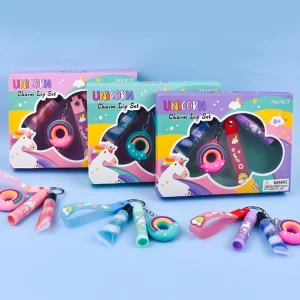
Labels help consumers use the product correctly and safely. They should be clear, easy to read, and consistent with the product’s intended age group and use. Missing or incorrect labels may lead to compliance issues even if the product passes laboratory testing.
Age Warnings
Age warnings should reflect the actual risks identified during the safety assessment.
Common examples include:
- Not suitable for children under 36 months.
- Warning statements when small parts present a choking hazard.
- Recommended age range based on the toy’s design and complexity.
- Warnings should not be used to avoid applicable safety requirements.
Instructions for Safe Use
Instructions should explain how the product is intended to be used and any precautions that users should follow.
Typical information may include:
- Adult supervision when appropriate.
- Directions for proper application and removal.
- Storage instructions.
- Disposal recommendations after use.
- Steps to take if accidental misuse occurs, where relevant.
Ingredient Disclosure Considerations
Ingredient labeling depends on how the product is legally classified. If the product is also subject to the EU Cosmetics Regulation, ingredient declaration requirements may apply to the cosmetic component.
Manufacturers should consider:
- Whether the product falls under cosmetic legislation in addition to toy legislation.
- Consistent ingredient information across product labels and technical documents.
- Identification of substances that require specific labeling under applicable EU legislation.
- Regular review of labeling to reflect formulation or regulatory changes.
What Documents Are Needed for EN71 Compliance?
EN71 compliance involves more than laboratory testing. Manufacturers must also prepare and keep technical documents that demonstrate how the product meets applicable EU safety requirements. These records should be complete, accurate, and available if requested by market surveillance authorities.
EN71 Test Reports
An EN71 test report records the results of laboratory testing performed according to the applicable parts of the EN71 standard. It provides evidence that the tested sample meets the specified safety requirements.
A typical EN71 test report includes:
- Product name and model identification.
- Description of the tested sample.
- Applicable EN71 standard(s) and test methods.
- Test results and measured values.
- Pass or fail conclusion.
- Testing laboratory information.
- Test date and report number.
Keep in mind that a test report applies only to the sample that was tested. If the product design, materials, or formulation changes, additional testing may be necessary.
Technical Documentation
Technical Documentation, often called the Technical File, contains the information needed to demonstrate product compliance. It should be prepared before the product is placed on the EU market and updated when significant changes occur.
Typical contents include:
- Product description and photographs.
- Product design and material information.
- Risk assessment.
- EN71 test reports and other applicable test reports.
- Manufacturing information, where relevant.
- Labels, warnings, and user instructions.
- Records supporting conformity with applicable EU legislation.
The documentation should be organized so that authorities can easily understand how compliance was established.
Declaration of Conformity (DoC)
The EU Declaration of Conformity (DoC) is a legal document issued by the manufacturer or authorized representative. It states that the product complies with the applicable EU legislation.
A DoC generally contains:
- Manufacturer’s name and address.
- Product identification.
- Applicable EU legislation.
- Harmonized standards used, such as the relevant EN71 parts.
- Declaration of responsibility.
- Name, signature, and date of the authorized person.
The DoC should be supported by the Technical Documentation and relevant test reports. It is not a substitute for laboratory testing but a formal declaration based on available compliance evidence.
Maintaining Compliance Throughout the Product Lifecycle
Compliance should continue after the product enters the market. Changes to materials, suppliers, manufacturing processes, or product design may affect compliance with EN71 or other applicable regulations.
Good compliance practices include:
- Review product changes before production.
- Reassess risks after design or formulation updates.
- Conduct additional testing when changes could affect safety.
- Keep Technical Documentation and the DoC up to date.
- Retain compliance records for the period required under applicable EU legislation.
- Monitor regulatory updates that may introduce new requirements or revised testing standards.
Common EN71 Compliance Challenges and How to Avoid Them
Meeting EN71 requirements can be challenging because kids cosmetic toys often combine different materials, cosmetic substances, and play functions. Many compliance problems do not come from the testing process itself but from poor product control, unclear documentation, or changes made after testing. Understanding common issues can help reduce compliance risks.
Choosing Representative Test Samples
One common challenge is selecting samples that do not fully represent the final product. EN71 testing results are only meaningful when the tested samples match the products that will actually be sold.
Common mistakes include:
- Testing an early prototype instead of the final production version.
- Using different materials or cosmetic formulas during testing and production.
- Removing accessories or components from the test sample.
- Testing only one part of a product that contains multiple materials.
To avoid these issues, manufacturers should provide samples that include all relevant components, such as cosmetic materials, containers, applicators, and decorative parts. The sample should reflect the final design, packaging, and intended use.
Managing Formula or Material Changes
Kids cosmetic toys may involve changes in ingredients, colors, packaging materials, or suppliers during product development. Even small changes can affect EN71 compliance, especially for chemical safety requirements.
For example, changing a pigment, plastic material, or coating may influence chemical migration results. A previously tested product may no longer represent the updated version.
To manage changes effectively:
- Record all material and formula changes.
- Review whether the change affects existing test results.
- Perform additional testing when the safety impact is unclear.
- Maintain updated technical documents.
A controlled change process helps ensure that compliance is maintained throughout production.
Avoiding Labeling Errors
Labeling mistakes are another common reason products face compliance issues. A product may pass laboratory tests but still have problems if required information is missing or incorrect.
Common labeling errors include:
- Incorrect age recommendations.
- Missing safety warnings.
- Inconsistent product names or model numbers.
- Instructions that do not match the actual product use.
- Missing manufacturer or importer information.
To avoid these problems, labels should be reviewed together with technical documents before the product enters the market. The information on the packaging, instructions, and compliance records should always match.
Working with Accredited Testing Laboratories
Choosing a suitable testing laboratory is an important part of the EN71 compliance process. Laboratories should have appropriate experience, equipment, and competence to perform the required tests.
When working with a testing laboratory, consider the following:
- Confirm that the laboratory can perform the relevant EN71 tests.
- Provide complete product information before testing.
- Discuss applicable test requirements based on product design.
- Review the test report carefully after completion.
- Keep communication records for future reference.
A qualified laboratory can help identify the correct testing scope, but manufacturers remain responsible for ensuring that the final product meets all applicable EU safety requirements.

Conclusion
EN71 testing plays an important role in evaluating the safety of kids cosmetic toys in Europe. However, compliance requires more than passing individual tests. Manufacturers should understand the difference between toy and cosmetic regulations, prepare complete technical documentation, and maintain control over materials, labeling, and product changes. A careful safety assessment helps ensure that kids cosmetic toys meet EU requirements and provide safer experiences for young users.