Importing kids makeup toys from China usually involves seven main steps: defining product requirements, finding a qualified supplier, checking samples, confirming documents, managing production, arranging shipping, and inspecting goods before delivery. A clear process helps reduce quality risks, avoid delays, and control import costs.
For children’s makeup toys, importers should pay special attention to product safety, cosmetic regulations, material quality, and supplier reliability. Unlike ordinary toys, these products may include both toy parts and cosmetic formulas, which means both areas need proper evaluation.
The 7 Key Steps to Import Kids Makeup Toys Successfully
Step 1: Define Product Requirements and Target Market
Before contacting suppliers, importers should clearly define the product requirements. This includes product type, age group, materials, cosmetic ingredients, packaging style, order quantity, and target selling market.
Different countries may have different requirements for children’s products. For example, some markets focus more on toy safety standards, while others have strict rules for cosmetic ingredients and labeling. Understanding these requirements early can prevent compliance problems later.
A clear product brief should include:
- Product function and design
- Target customer age
- Required safety standards
- Expected order quantity
- Packaging and customization needs
Step 2: Verify Supplier Capabilities and Compliance
Choosing the right supplier is one of the most important steps. A reliable manufacturer should have experience with children’s products, cosmetic production, quality control, and export procedures.
Importers should review basic supplier information, including factory background, production capacity, quality systems, and previous export experience. A factory visit or video inspection can also help confirm the supplier’s real production ability.

For example, Guangdong AKIA Cosmetic Co., Ltd. has more than 40 years of cosmetic manufacturing experience and operates a 40,000㎡ production facility in Foshan, China. When evaluating any supplier, importers should focus on manufacturing capability rather than only the product price.
Step 3: Request Samples and Conduct Quality Checks
Samples allow buyers to check the actual product before placing a bulk order. During sample review, importers should test product appearance, packaging quality, material safety, and cosmetic performance.
For kids makeup toys, sample checks should include:
- Cosmetic texture and color
- Product smell and stability
- Toy parts and small components
- Packaging strength
- Label accuracy
It is important to record any changes needed after sample approval. The final production should follow the approved sample to avoid differences between samples and mass-produced goods.
Step 4: Confirm Packaging, Labeling, and Documentation
Packaging and labels are not only for appearance. They provide important product information and help meet import requirements. Incorrect labels may lead to customs issues or product rejection.
Before production starts, confirm all details, including:
- Product name
- Ingredient list
- Safety warnings
- Age recommendation
- Manufacturer information
- Barcode and shipping marks
Importers should also prepare necessary documents, such as commercial invoices, packing lists, shipping documents, and safety test reports when required by the destination market.
Step 5: Place Orders and Manage Production Timelines
After sample approval and contract confirmation, the next step is mass production. Importers should confirm the production schedule, payment terms, and quality inspection plan before manufacturing begins.
Production time depends on factors such as product complexity, order quantity, packaging requirements, and factory workload. Customized packaging or new product development usually requires more time than standard products.
Regular communication with the supplier helps track progress. It is better to solve issues during production rather than after goods are completed.
Step 6: Arrange Shipping and Customs Clearance
Shipping methods depend on order size, budget, and delivery requirements. Common options include sea freight, air freight, and express shipping.
For large orders, sea freight is usually more cost-effective. However, it requires longer transportation time. Air shipping is faster but usually has higher costs.
Before shipment, importers should confirm:
- Shipping terms (such as FOB, CIF, or DDP)
- Required customs documents
- Import duties and taxes
- Destination regulations
Working with an experienced freight forwarder can help reduce customs delays and documentation errors.
Step 7: Inspect Goods Before Final Delivery
A final inspection helps confirm that the delivered products match the approved samples and order requirements. This step is especially important for children’s products because quality issues can affect customer safety and product compliance.
Inspection items may include:
- Product quantity
- Packaging condition
- Label information
- Cosmetic appearance
- Product function
- Manufacturing defects
Importers can arrange factory inspections or use third-party inspection companies before shipment. Finding problems before delivery is usually easier and less expensive than handling customer complaints later.
The Most Important Decision Factors When Importing from China
When importing kids makeup toys, five factors usually determine the success of the project: product safety, compliance, quality control, cost, and delivery time. These factors are connected. For example, reducing cost by skipping quality checks may create higher risks later.
Product Safety, Compliance, Quality Control, Cost, and Delivery Time
Product safety should always come first. Kids makeup toys combine toy components and cosmetic materials, so both areas require careful review. Importers should confirm that products meet the safety requirements of their target market.
Compliance is also important because different countries have different rules for children’s products. Proper documents, accurate labels, and testing records can help avoid customs and sales problems.
Quality control should happen throughout the process, not only at the end. Supplier evaluation, sample approval, production checks, and final inspection all help maintain product consistency.
Cost and delivery time should be considered together. A lower product price may not always mean a lower total cost if it causes quality problems or delays. A suitable supplier should provide a balance between price, production ability, and delivery reliability.
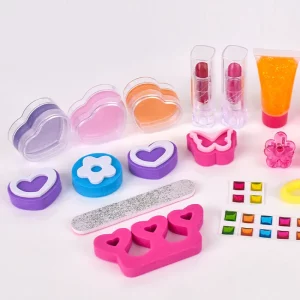
Why Import Kids Makeup Toys from China?
China is one of the major manufacturing hubs for kids makeup toys because it has a complete supply chain covering product design, cosmetic production, packaging, and export services. However, importing from China is not always the best choice for every business. The decision depends on factors such as order volume, product requirements, quality expectations, and market regulations.
For many importers, China can provide a practical balance between manufacturing experience, production flexibility, and cost control. Before choosing a supplier or country, businesses should evaluate their own needs and compare different sourcing options.
Advantages of Sourcing Kids Makeup Toys from Chinese Manufacturers
Wide Product Variety and Manufacturing Experience
Chinese manufacturers produce a wide range of kids makeup toys, including makeup kits, pretend play sets, cosmetic gift boxes, and themed products. This variety allows buyers to select products based on different age groups, price levels, and market preferences.
In addition, many manufacturers have experience with both toy production and cosmetic manufacturing. This combined knowledge is important because kids makeup toys often require attention to both toy safety and cosmetic quality.
A manufacturer with long-term experience can usually provide better support in areas such as formula development, packaging design, production control, and export requirements.
Flexible Production Options for Different Business Sizes
One reason many businesses source from China is the availability of different production models. Manufacturers may support standard products, customized designs, private labeling, and different order quantities.
For startups, a lower minimum order quantity (MOQ) can reduce the risk of entering the market. Smaller orders allow businesses to test customer response before making larger investments.
For larger brands, manufacturers with strong production capacity can handle higher volumes and more complex requirements. The key is finding a supplier that matches the company’s current stage and future growth plans.
Competitive Manufacturing Costs and Supply Chain Efficiency
China has developed a complete supply chain for cosmetic and toy manufacturing. Many related industries, such as plastic molding, packaging production, printing, and raw material supply, are located close to manufacturing areas.
This local supply network can help reduce production coordination time and improve efficiency. However, importers should not focus only on unit price. The total cost should include product quality, packaging, shipping, inspection, and possible compliance expenses.
A lower initial price may create additional costs if the product requires rework, fails inspection, or cannot meet market requirements.
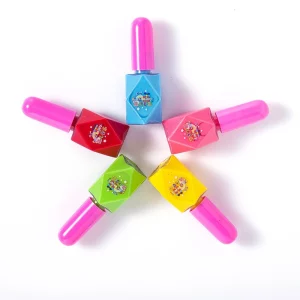
When China Is the Right Sourcing Choice
China can be a suitable sourcing option for many kids makeup toy businesses, but it is not a universal solution. Importers should consider their product goals, budget, timeline, and compliance needs before making a decision.
The right sourcing country is the one that can meet the required quality level, production capacity, and business objectives.
Suitable Cases: Startups, Retailers, and Established Brands
China is often suitable for businesses that need manufacturing flexibility, product variety, or scalable production. Startups may benefit from suppliers that support smaller orders and help reduce initial inventory risks.
Retailers can use Chinese manufacturers to develop different product lines and maintain stable supply. Established brands may choose China when they need larger production capacity, customized packaging, or long-term manufacturing partnerships.
For example, manufacturers such as Guangdong AKIA Cosmetic Co., Ltd. provide production solutions for different business sizes, with more than 40 years of cosmetic manufacturing experience, a 40,000㎡ factory in Foshan, and support for both lower MOQ projects and larger orders.
Situations Requiring Alternative Sourcing Strategies
China may not be the best choice in some situations. For example, if a business requires very small quantities, extremely fast local delivery, or products with special regional requirements, local sourcing may be more practical.
Companies should also consider import complexity, shipping costs, and regulatory requirements. For some markets, working with nearby suppliers can reduce logistics challenges.
Before selecting a sourcing location, businesses should compare:
- Total production and shipping costs
- Required order volume
- Product compliance needs
- Delivery time expectations
- Supplier communication efficiency
A careful comparison helps importers choose the sourcing method that fits their business model instead of selecting a location based only on price.
How to Choose a Reliable Kids Makeup Toy Manufacturer in China
Choosing a reliable kids makeup toy manufacturer requires more than comparing product prices. A suitable supplier should have the right production experience, quality control systems, compliance knowledge, and delivery ability. The goal is to find a manufacturer that can provide stable product quality and support long-term business needs.
Before placing an order, importers should review the factory’s background, production process, testing methods, MOQ requirements, and communication efficiency. A careful supplier evaluation can reduce quality risks and unexpected costs.
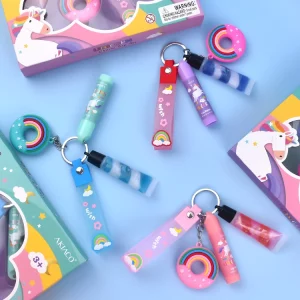
What to Check Before Selecting a Manufacturer
Factory Experience and Production Capability
A manufacturer’s experience shows whether it understands the production requirements of kids makeup toys. Importers should check how long the factory has been operating, what types of products it produces, and whether it has experience with export markets.
Production capability is also important. A qualified factory should have suitable equipment, trained workers, and a clear production process. For kids makeup toys, the manufacturer should understand both cosmetic production and toy assembly requirements.
A factory with experience in related products can usually manage issues such as formula consistency, packaging matching, product assembly, and quality inspection more effectively.
Quality Management Systems and Testing Procedures
Quality control should be part of the whole manufacturing process, not only a final inspection. Importers should ask how the factory manages raw materials, production steps, and finished products.
Important areas to review include:
- Incoming material inspection
- Production process checks
- Finished product inspection
- Safety testing procedures
- Quality records and documentation
For kids makeup toys, testing should cover both cosmetic and toy-related risks. The manufacturer should have clear procedures to check product safety, appearance, function, and packaging quality before shipment.
Minimum Order Quantity (MOQ) and Production Lead Time
MOQ and lead time directly affect inventory planning and cash flow. Different manufacturers have different requirements depending on product type, customization level, and production capacity.
For startups, a flexible MOQ can reduce initial investment pressure. Smaller orders allow businesses to test market demand before increasing production volume.
For larger companies, production capacity and lead time become more important. A manufacturer should be able to provide stable delivery schedules and handle repeat orders without major delays.
How to Evaluate a Manufacturer Beyond Price
Why the Lowest Quote Is Not Always the Best Option
Price is an important factor, but it should not be the only decision point. A very low quotation may result from lower-quality materials, limited testing, weak quality control, or hidden costs.
When comparing suppliers, importers should look at the total value, including:
- Product quality consistency
- Compliance support
- Communication efficiency
- Production reliability
- After-sales support
A slightly higher production cost may be reasonable if it reduces risks and provides more stable results.
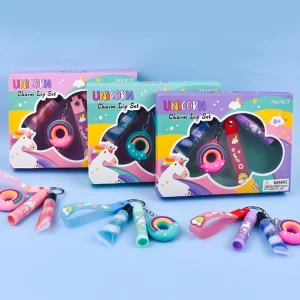
Key Questions to Ask Before Signing a Manufacturing Agreement
Before starting cooperation, importers should ask detailed questions to understand the supplier’s ability.
Useful questions include:
- How many years of experience do you have with kids makeup or cosmetic products?
- What quality checks are included during production?
- What testing documents can you provide?
- What is the standard production lead time?
- Can you support customized packaging or private label projects?
- How do you handle product issues after delivery?
Clear answers help buyers understand whether the manufacturer can meet their expectations.
Example of Manufacturing Capability Requirements
Production Scale, Fast Turnaround, and Flexible MOQ Considerations
The required manufacturing capability depends on the business stage and product plan. A startup may need a supplier with flexible MOQ and development support, while an established brand may need higher production capacity and faster repeat orders.
For example, Guangdong AKIA Cosmetic Co., Ltd. has more than 40 years of cosmetic manufacturing experience and operates a 40,000㎡ factory in Foshan, China. Its manufacturing structure supports different order sizes, including lower MOQ projects and larger production requirements.
When evaluating a factory, importers should consider three key areas: whether the factory can produce stable quality, whether it can meet delivery schedules, and whether it can adjust production according to business growth.
A reliable manufacturer is not only a product supplier. It should also be a production partner that can support quality, compliance, and supply stability over time.
What Safety Standards Apply to Imported Kids Makeup Toys?
Safety compliance is one of the most important considerations when importing kids makeup toys. These products may include cosmetic formulas, containers, and toy components, so they may need to meet both cosmetic and toy safety requirements depending on the target market.
Importers should identify the applicable regulations before production starts. Early preparation helps avoid shipment delays, product recalls, or problems during market sales.
Understanding Cosmetic and Toy Safety Requirements
Differences Between Children’s Cosmetics and Toy Products
Kids makeup toys are different from regular toys because they may contain products that are applied to the skin. For this reason, importers need to consider both the safety of the toy parts and the safety of the cosmetic contents.
Toy-related requirements usually focus on areas such as physical safety, small parts, mechanical risks, and material safety. Cosmetic requirements usually focus on ingredients, product stability, contamination control, and labeling information.
The classification of the product may vary by market. Some products are treated mainly as toys, while others may be regulated as cosmetics. Importers should check the rules of the destination country before production.
Why Ingredient Safety and Material Safety Both Matter
For kids makeup toys, safety evaluation should cover both the cosmetic formula and the product materials. Cosmetic ingredients should be suitable for the intended use and handled under proper quality controls.
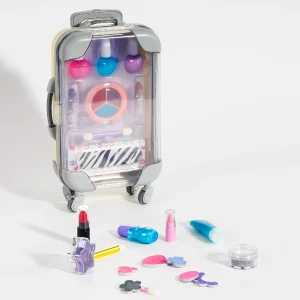
At the same time, packaging materials, plastic parts, brushes, and accessories should be checked for physical safety and material quality. For example, loose small parts may create risks for younger children, while unsuitable materials may affect product safety.
A complete safety review helps ensure that all parts of the product meet the required standards.
Common Compliance Documents Importers Should Prepare
Safety Test Reports and Product Documentation
Before importing, buyers should prepare the documents required by their target market. The exact requirements depend on product type, destination country, and local regulations.
Common documents may include:
- Product specifications
- Ingredient information
- Safety test reports
- Material test reports
- Quality inspection records
- Commercial and shipping documents
Testing should be completed by qualified laboratories when required. Importers should also confirm that the documents match the actual products being shipped.
Packaging Labels and Required Information
Correct labeling is an important part of product compliance. Labels provide customers and authorities with essential product information.
Depending on the market, labels may need to include:
- Product name
- Ingredient list
- Usage instructions
- Safety warnings
- Age recommendation
- Manufacturer information
- Batch number or production information
Incorrect or incomplete labels may cause customs issues or require product changes after arrival.
How to Reduce Compliance Risks Before Shipping
Pre-production Confirmation
The best time to solve compliance issues is before production begins. Importers should confirm product specifications, safety requirements, testing needs, and labeling details with the manufacturer before placing a bulk order.
A clear production checklist can help both sides understand the requirements. It should include product materials, cosmetic formulas, packaging details, and inspection standards.
This step reduces the chance of receiving products that do not match market requirements.
Third-Party Inspection and Quality Verification
Third-party inspections provide an additional quality check before shipment. An independent inspection company can verify product quantity, appearance, packaging, labeling, and production quality.
For kids makeup toys, inspection can help identify problems such as damaged packaging, missing parts, incorrect labels, or product differences from approved samples.
A professional quality verification process does not replace factory quality control, but it provides an extra layer of protection before goods leave the factory. This is especially useful for first-time importers or large-volume orders.
How Much Does It Cost to Import Kids Makeup Toys from China?
The total cost of importing kids makeup toys from China is not only the factory price. Importers should calculate all expenses from production to final delivery, including manufacturing, packaging, shipping, customs fees, and possible inspection costs. A complete cost estimate helps businesses set realistic budgets and avoid unexpected expenses.
The final import cost depends on several factors, such as product design, order quantity, customization level, shipping method, and destination country. Therefore, buyers should focus on the total landed cost instead of only comparing supplier quotations.
Main Cost Components You Need to Calculate
Product Manufacturing Cost
The manufacturing cost is usually the largest part of the import budget. It includes raw materials, cosmetic formulas, toy components, labor, assembly, and factory operating costs.
The price can change based on product complexity. For example, a simple makeup kit with standard packaging may cost less than a customized set with special shapes, multiple colors, or unique designs.
When reviewing a factory quotation, importers should confirm what is included. Some quotations cover only the product itself, while others may include packaging, testing, or additional services.
Packaging and Customization Cost
Packaging plays an important role in kids makeup toys because it affects product protection, appearance, and market requirements. Custom packaging usually requires extra costs for design, printing, molds, and setup fees.
Common customization costs may include:
- Custom product colors
- Printed boxes or bags
- Special shapes or molds
- Brand labels
- Instruction materials
For startups, using existing product designs with customized packaging can be a practical way to control costs. For larger brands, investing in customized designs may be more suitable for long-term product development.
Shipping, Duties, and Import Fees
Shipping and import fees are part of the total cost and should be calculated before placing an order. These costs depend on product volume, weight, shipping method, and destination country.
Common expenses include:
- Ocean or air freight
- Customs duties
- Import taxes
- Port handling fees
- Customs clearance fees
Sea freight is often used for larger shipments because of lower transportation costs, while air shipping may be chosen when faster delivery is more important.
Importers should also understand the shipping terms agreed with the supplier, such as FOB, CIF, or DDP, because different terms define who is responsible for certain costs.
How MOQ Affects Import Costs
Low MOQ Benefits for New Businesses
Minimum Order Quantity (MOQ) directly affects the amount of money needed for the first order. A lower MOQ allows new businesses to start with less inventory and test market demand before making larger investments.
However, lower quantities may result in a higher unit cost because production costs are spread across fewer products. Some customization options may also require higher MOQs.
When choosing an MOQ, businesses should balance inventory risk, product demand, and production cost.
Larger Orders and Economies of Scale
Larger orders usually reduce the average production cost per unit because fixed costs are distributed across more products. This can make large-volume production more cost-efficient.
However, bigger orders also require more storage space, higher upfront investment, and stronger sales planning. Buying more products does not always mean lower total business costs if inventory moves slowly.
A suitable order quantity should match the company’s sales forecast and cash flow situation.
How to Estimate Your Total Import Budget
Product Cost vs. Landed Cost Calculation
Many first-time importers focus only on the product price. However, the actual cost of importing is the landed cost, which includes all expenses required to bring the product to the final destination.
A basic landed cost calculation can include:
Product cost + packaging cost + shipping cost + customs duties + taxes + inspection fees + other import expenses
For example, a product with a low factory price may become more expensive if it has high shipping volume, complex packaging, or additional compliance costs.
Before placing an order, importers should create a full cost estimate and compare different production options. This approach helps businesses make better decisions about pricing, order quantity, and expected profit margins.
How Long Does It Take to Import Kids Makeup Toys from China?
The total import time for kids makeup toys from China usually includes product development, sample approval, mass production, quality inspection, and shipping. The exact timeline depends on product type, customization level, order quantity, and transportation method.
For standard products, the process may be faster because the design and production methods are already available. However, customized products usually require more time for design confirmation, testing, and packaging preparation.
A clear production plan and early communication with suppliers can help importers manage schedules and avoid unnecessary delays.
Typical Production Timeline
Sample Development and Approval Time
Sample development is the first step before mass production. During this stage, the manufacturer prepares product samples based on the buyer’s requirements, including product design, colors, packaging, and cosmetic details.
The sample process may include several rounds of review. Importers should check the product carefully and provide clear feedback before approving the final version.
The sample approval timeline depends on product complexity. Standard products may require less time, while customized products with new designs, formulas, or packaging may need more development time.
A complete sample review should confirm:
- Product appearance
- Cosmetic performance
- Packaging details
- Safety requirements
- Label information
Mass Production Lead Time
After sample approval, the manufacturer starts mass production. The production time depends on order quantity, product structure, material availability, and factory workload.
Large orders usually require longer production periods, especially when they include customized packaging or special components. Standard products may have shorter lead times because materials and production processes are already prepared.
Before production begins, importers should confirm the production schedule with the supplier. Regular updates during manufacturing can help identify problems early.
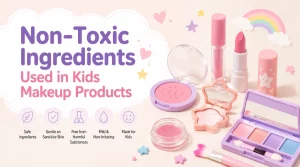
Read More >> Non-Toxic Ingredients Used in Kids Makeup Products
Factors That Influence Delivery Speed
Product Complexity and Customization Requirements
Product design has a direct impact on production speed. Simple products with standard packaging usually move faster because fewer production steps are required.
On the other hand, customized kids makeup toys may need additional time for:
- New mold development
- Packaging design
- Color matching
- Formula adjustment
- Product testing
Importers should consider these factors when setting launch dates. Starting the planning process early can provide enough time for development and production adjustments.
Factory Capacity and Supply Chain Management
A factory’s production capacity can affect delivery reliability. Manufacturers with organized production systems, stable workers, and good supplier relationships are usually better prepared to manage larger orders.
Supply chain management is also important because production depends on the availability of materials, packaging, and components. Delays in any part of the supply chain may affect the final delivery date.
When selecting a supplier, importers should ask about production capacity, current workload, and how the factory manages material supply.
How to Avoid Common Import Delays
Prepare Documentation Early
Missing or incorrect documents can slow down production and shipping. Importers should prepare required information before production starts, including product details, labeling requirements, and import documents.
Early document preparation helps manufacturers create correct packaging and reduces the chance of customs problems.
Important documents may include:
- Product specifications
- Label requirements
- Testing documents
- Commercial invoices
- Shipping documents
Confirm Specifications Before Production Begins
Clear product specifications are essential for keeping production on schedule. Changes after production starts can cause delays, additional costs, or quality problems.
Before confirming the order, importers should review all details with the manufacturer, including:
- Product design
- Materials
- Colors
- Packaging
- Quantity
- Delivery date
A detailed confirmation process helps both sides follow the same production plan. This is especially important for customized kids makeup toys, where small changes can affect the entire manufacturing timeline.
What Documents Are Required to Import Kids Makeup Toys from China?
Importing kids makeup toys from China requires accurate documentation to support customs clearance, product compliance, and market entry. The exact documents depend on the destination country, product classification, and local regulations.
Because kids makeup toys may involve both cosmetic products and toy components, importers should prepare documents carefully before shipment. Complete paperwork helps reduce customs delays and provides proof that the products meet required safety and quality standards.
Essential Import Documents
Commercial Invoice
A commercial invoice is one of the basic documents required for international trade. It provides important transaction details between the buyer and seller.
The invoice usually includes:
- Seller and buyer information
- Product description
- Quantity and unit price
- Total transaction value
- Payment terms
- Shipping terms
Customs authorities use this document to evaluate the shipment value and calculate possible duties or taxes. Therefore, product descriptions should be clear and match the actual goods.
Packing List
A packing list provides detailed information about how the products are packed for shipment. It helps customs officers, freight forwarders, and buyers check the shipment contents.
A packing list usually includes:
- Number of cartons or packages
- Product quantity
- Carton size
- Gross and net weight
- Packing details
Accurate packing information is important because incorrect details may create problems during customs inspection or warehouse receiving.
Bill of Lading or Shipping Documents
Shipping documents prove that the goods have been transported and provide information about the shipment route. The required document depends on the shipping method.
For sea freight, importers commonly use a Bill of Lading. For air freight, an Air Waybill is usually provided.
These documents typically include:
- Shipper and consignee information
- Shipping details
- Port of departure and destination
- Cargo information
Importers should review shipping documents carefully before arrival to ensure all information is correct.
Product Testing and Compliance Certificates
Product testing and compliance documents help demonstrate that kids makeup toys meet safety requirements. The exact certificates depend on the target market and product category.
Possible documents may include:
- Toy safety test reports
- Cosmetic safety reports
- Material testing reports
- Ingredient information
- Quality inspection records
Importers should confirm testing requirements before production because some tests may need to be completed before shipment.
Additional Documents Depending on Destination Country
Customs Requirements
Each country has different import rules. Customs authorities may require additional documents based on product type, value, and regulations.
Additional requirements may include:
- Import licenses
- Customs declarations
- Certificates of origin
- Special product registrations
Importers should check local customs rules before shipping. Working with an experienced customs broker or freight forwarder can help identify required documents in advance.
Retailer or Market-Specific Requirements
Some retailers, marketplaces, or sales channels may have additional requirements beyond government regulations. These requirements may focus on product information, testing reports, packaging standards, or supplier documentation.
For example, large retail channels may request:
- Additional quality reports
- Supplier verification documents
- Packaging approval
- Product safety records
Before production, importers should understand the requirements of their sales channels. This helps ensure that the products can be accepted after arrival and avoids costly changes later.
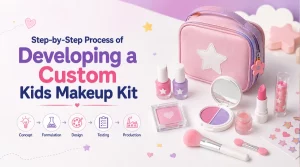
Read More >> Step-by-Step Developing a Custom Kids Makeup Kit
Common Mistakes When Importing Kids Makeup Toys from China
Importing kids makeup toys from China can be a practical sourcing option, but mistakes during supplier selection, quality checks, or planning can create extra costs and delays. Many problems happen because importers focus on short-term savings and overlook important details before production.
A successful import process requires careful supplier evaluation, product testing, compliance preparation, and realistic timeline planning. Understanding common mistakes can help importers make better decisions and reduce avoidable risks.
Mistake 1: Choosing Suppliers Based Only on Price
Price is an important factor, but it should not be the only standard when selecting a manufacturer. A very low quotation may mean lower material quality, limited quality control, or missing services.
For kids makeup toys, product safety and consistency are especially important. A supplier with a lower price but weak production management may create problems such as defective products, failed inspections, or customer complaints.
When comparing suppliers, importers should evaluate the full package, including:
- Factory experience
- Quality control process
- Testing support
- Production capacity
- Communication efficiency
A reliable supplier should provide a balance between cost, quality, and service capability.
Mistake 2: Skipping Sample Testing
Some importers place large orders without carefully checking samples. This can create risks because the final products may not match expectations.
Sample testing allows buyers to confirm product details before mass production, including cosmetic texture, color, packaging, materials, and product function.
For kids makeup toys, sample checks should include:
- Product safety information
- Cosmetic performance
- Toy structure
- Packaging quality
- Label accuracy
Approving a sample before production creates a clear quality reference for both the buyer and manufacturer.
Mistake 3: Ignoring Packaging and Label Requirements
Packaging and labels are often treated as a design issue, but they are also part of product compliance. Incorrect information or missing details can cause customs problems or prevent products from being sold in some markets.
Importers should confirm label requirements before production starts. Important details may include:
- Product name
- Ingredient information
- Usage instructions
- Safety warnings
- Age recommendations
- Manufacturer information
Packaging should also protect the product during transportation. Weak packaging may lead to damage, returns, or additional costs.
Mistake 4: Underestimating Production and Shipping Time
Many new importers focus only on manufacturing time and forget that the full process includes sampling, production preparation, inspection, shipping, and customs clearance.
Delays can happen because of:
- Late sample approval
- Design changes
- Material shortages
- Production scheduling issues
- Shipping delays
- Customs procedures
To avoid timeline problems, importers should create a realistic schedule from the beginning. It is better to include extra time for unexpected issues rather than planning based on the shortest possible delivery date.
Clear communication with the manufacturer and logistics partners can help keep the project on track.
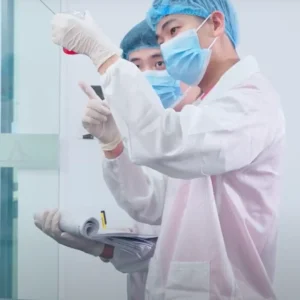
How Guangdong AKIA Cosmetic Co., Ltd. Supports Kids Makeup Toy Manufacturing
Selecting a suitable manufacturing partner is an important step when developing kids makeup toys. A capable factory should have experience in cosmetic production, strong quality control systems, and the ability to support different order requirements.
Guangdong AKIA Cosmetic Co., Ltd. is a cosmetic manufacturer based in Foshan, Guangdong, China. With more than 40 years of cosmetic manufacturing experience and a 40,000㎡ production facility, the company provides manufacturing support for different business stages, from smaller projects to larger production needs.
Manufacturing Experience and Production Capability
40+ Years of Cosmetic Manufacturing Experience
Experience in cosmetic manufacturing is an important factor when evaluating a kids makeup toy supplier. These products require attention to formula quality, production hygiene, packaging accuracy, and safety management.
With more than 40 years of experience in cosmetic manufacturing, Guangdong AKIA Cosmetic Co., Ltd. has developed knowledge in areas such as cosmetic production processes, quality management, and product development support.
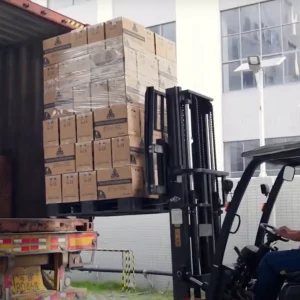
When choosing a factory, importers should focus on whether the manufacturer understands the specific requirements of kids makeup toys, including product safety, consistency, and compliance preparation.
40,000㎡ Manufacturing Facility in Foshan, Guangdong, China
Manufacturing space and production infrastructure can affect a factory’s ability to handle different order sizes. A larger facility may provide more production capacity, better organization, and improved workflow management.
Guangdong AKIA Cosmetic Co., Ltd. operates a 40,000㎡ manufacturing facility in Foshan, Guangdong, China. The production environment supports various manufacturing processes and helps manage different project requirements.
However, facility size should not be the only evaluation factor. Importers should also review quality systems, production processes, testing methods, and communication efficiency.
Flexible Solutions for Different Business Sizes
Low MOQ Options for Startups
Startups often face challenges related to inventory risk and initial investment. A manufacturer that offers flexible MOQ options can help new businesses test products before placing larger orders.
Lower MOQ requirements allow buyers to evaluate market response, improve product positioning, and adjust future orders based on actual demand.
When discussing MOQ, importers should also confirm whether customization options, packaging requirements, and product testing have additional quantity requirements.
Fast Lead Times for Growing Brands and Large-Scale Orders
Growing brands and established companies usually need stable production schedules and reliable delivery. A manufacturer should have clear production planning and supply chain coordination to support repeat orders.
Fast lead times depend on many factors, including product complexity, material availability, production capacity, and approval speed.
A suitable factory should provide realistic delivery timelines and maintain consistent communication throughout the manufacturing process.
Key Factors to Evaluate When Working With a Cosmetic Factory
Manufacturing Expertise
Manufacturing expertise is more than having production equipment. A qualified factory should understand raw materials, production procedures, quality standards, and customer requirements.
Importers should evaluate whether the manufacturer has experience with similar products and can provide technical support during product development.
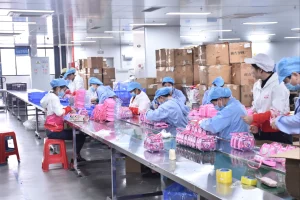
Quality Control Process
A strong quality control process helps maintain product consistency from raw materials to finished goods. Importers should understand how the factory manages inspections and handles quality issues.
Important quality control points may include:
- Raw material inspection
- Production monitoring
- Finished product checks
- Packaging inspection
- Final shipment approval
A clear quality system reduces the risk of receiving products that do not meet expectations.
Production Flexibility and Delivery Reliability
Different businesses have different production needs. Startups may need smaller orders and more support during product development, while larger brands may require higher output and stable supply.
A reliable manufacturing partner should be able to adjust production plans, manage different order volumes, and provide accurate delivery schedules.
When evaluating a cosmetic factory, importers should consider the overall capability: manufacturing experience, quality control, flexibility, and delivery performance. These factors are usually more important than choosing a supplier based only on the lowest price.
Conclusion: Key Takeaways for Importing Kids Makeup Toys from China
Importing kids makeup toys from China requires careful planning across product development, supplier selection, quality control, compliance, and logistics. A successful import process is not only about finding a competitive price. It depends on choosing the right manufacturing partner and managing each step with clear requirements.
Before placing an order, importers should review supplier capability, confirm safety requirements, calculate the complete budget, and create a realistic production and shipping plan. A structured approach can help reduce risks and improve the chance of long-term success.
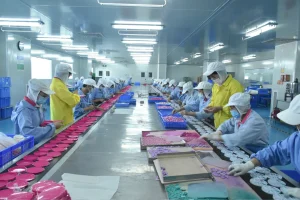
A Practical Checklist Before Placing Your First Order
Verify Supplier Capability
Before working with a manufacturer, review the factory’s experience, production capacity, quality systems, and export background. A reliable supplier should be able to explain its manufacturing process and provide clear information about production and quality management.
Key points to check:
- Factory experience with cosmetic or kids products
- Production capability and equipment
- Quality control procedures
- Communication and support ability
Choosing a suitable supplier at the beginning can prevent many issues during production.
Confirm Safety Compliance
Kids makeup toys involve both cosmetic and toy-related safety considerations. Importers should confirm the required standards for their target market before production begins.
Before ordering, check:
- Product safety requirements
- Cosmetic ingredient information
- Testing needs
- Packaging and label requirements
Preparing compliance documents early can help avoid customs problems and product delays.
Calculate Full Import Costs
The factory price is only one part of the total investment. Importers should calculate the full landed cost, including manufacturing, packaging, shipping, duties, taxes, inspections, and other possible fees.
A complete cost calculation helps businesses set realistic pricing and choose the right order quantity.
Plan Production and Logistics Carefully
A successful import project requires a clear timeline. Consider the time needed for sample approval, mass production, quality inspection, shipping, and customs clearance.
Before production starts:
- Confirm product specifications
- Approve final samples
- Prepare documents
- Set realistic delivery dates
With proper planning and communication, importing kids makeup toys from China can become a more predictable process. The key is to make decisions based on product quality, compliance, cost, and supplier reliability rather than price alone.