Kids Makeup Set Specification and BOM Guide
Table of Contents
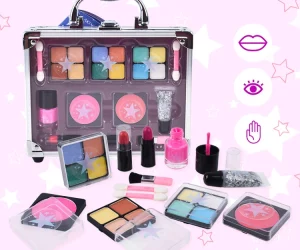
A kids makeup set can contain far more parts than its retail image suggests. Powders, lip products, bottles, crayons, brushes, puffs, mirrors, trays, closures, labels, cartons, and shipping materials may come from different production and packaging steps. If those parts are managed only through email threads and reference photos, quotation gaps and sample changes are difficult to control.
A written product specification and bill of materials, usually shortened to BOM, give the buyer and supplier one shared project reference. The specification defines what each item must be. The BOM records what goes into each finished set and how many units are required. Together, they connect the concept, quotation, samples, artwork, purchase order, and bulk-production reference.
Define the set before listing components
Start with the commercial role of the finished item. Record the destination market, retail channel, set type, expected quantity, selling window, and whether it is a core item, seasonal program, gift set, or promotional assortment. These decisions affect product count, case size, artwork versions, and the approval path.
If the range architecture is still open, use the private label kids makeup kit development guide before freezing the specification.
Separate the specification from the BOM
The two records support different questions:
- Specification: What is the approved requirement for the formula, shade, component, package, artwork, function, and evidence scope?
- BOM: Which exact items and quantities are required to build one sellable unit and its shipping configuration?
A product can appear once in the BOM but need several specification fields. For example, one lip product may require a product reference, shade reference, fill requirement, component color, cap, label, decoration, and position inside the tray.
Create a row for every product variation
Do not combine several shades into one vague line. Give each product and variation a unique item code or project reference. Useful fields include:
- item name and project code;
- product format and intended position in the set;
- shade or color reference;
- fill or unit requirement where applicable;
- primary component, cap, closure, pan, or bottle;
- decoration and label requirements;
- quantity per finished set;
- sample version and approval status.
This structure makes it easier to identify whether a change affects one shade, one SKU, or the whole program.
List accessories as controlled components
Brushes, puffs, applicators, files, stickers, stencils, separators, protective films, mirrors, and instruction materials should not be treated as informal extras. Each accessory can affect tray space, packing labor, package dimensions, quantity requirements, artwork, and the completed set check.
Record its material or construction reference, dimensions, color, supplier reference, quantity per set, position, and approved sample. If an accessory is optional, show which SKU includes it rather than leaving the decision in a note.
Map the packaging hierarchy
A complete BOM should follow the product from the filled component to the shipping configuration. Depending on the project, the hierarchy may include:
- formula or filled product;
- primary container, pan, stick, bottle, or compact;
- insert, tray, or internal support;
- case, bag, box, sleeve, or outer carton;
- label, seal, leaflet, or other printed item;
- display, inner carton, master carton, and protective packing.
The kids makeup packaging development guide covers stock components, custom molds, inserts, artwork, and assembled-package decisions in more detail.
Control artwork by file and version
Do not write only “approved artwork” in the specification. Record the filename, version, date, language or market, dieline reference, decoration method, color reference, and approval owner. The same control should cover labels, cartons, displays, instructions, and any licensed artwork supplied by the buyer.
When several markets or retail customers require different copy, create separate controlled versions instead of marking up one shared file.
Connect each line to an approval reference
The specification should show how the requirement will be verified. The reference may be a signed component sample, approved filled product, color standard, artwork proof, assembled set, written test scope, or packaging sample. A specification without a reference can describe an intention but may not provide a practical comparison point.
Use the kids makeup sample approval checklist to review the physical samples and retain the final approved reference.
Add quantity and sourcing notes
Record the finished-set quantity, units per set, total required quantity, expected allowance or spare quantity if agreed, and the supplier or production source for each part. Separate component, decoration, shade, and packaging minimums may affect the feasible configuration.
The general factory reference is 3,000 pieces, but a children’s makeup project may require a higher quantity because of custom molds, multiple accessories, shades, printing, or supplier minimums. Confirm the exact project quantity after the component structure is defined.
Use formal revision control
Give the specification and BOM a project name, document number, revision number, date, owner, and approval status. Keep a short change log explaining what changed and why. Do not overwrite the previous approved version without a record.
A practical change process is:
- raise the requested change;
- identify affected products, components, artwork, cost, quantity, timing, and evidence;
- review a new sample or proof when required;
- approve the change in writing;
- release a new controlled revision.
Buyer handoff checklist
- commercial brief and destination market;
- unique SKU and item codes;
- product, shade, component, and accessory rows;
- packaging hierarchy and packing quantities;
- artwork filenames and versions;
- sample and approval references;
- document and testing scope by project stage;
- revision history and named approval owners.
When the specification is clear enough for a configuration review, contact AKIACO with the set concept, component list, destination market, estimated quantity, and target selling window.
FAQ
Create the first version before quotation and sampling, then update it as approved products, components, artwork, and packing details are confirmed.
Yes. Record each shade or variation separately so quantities, references, labels, and approvals remain clear.
No. Photos show appearance but do not control materials, dimensions, fill, colors, artwork versions, packing, or approval references.