Short Answer:
Before ordering OEM makeup toys, buyers should evaluate product safety, regulatory compliance, target age group, formula quality, manufacturing capabilities, customization options, MOQ, testing procedures, lead times, and scalability. The right supplier is not necessarily the lowest-cost option; it is the supplier that can consistently deliver compliant, safe, and brand-aligned products at your required volume.
For startups and established brands alike, asking the right questions before placing an OEM order helps reduce product risks, avoid costly delays, and create a stronger foundation for long-term growth.
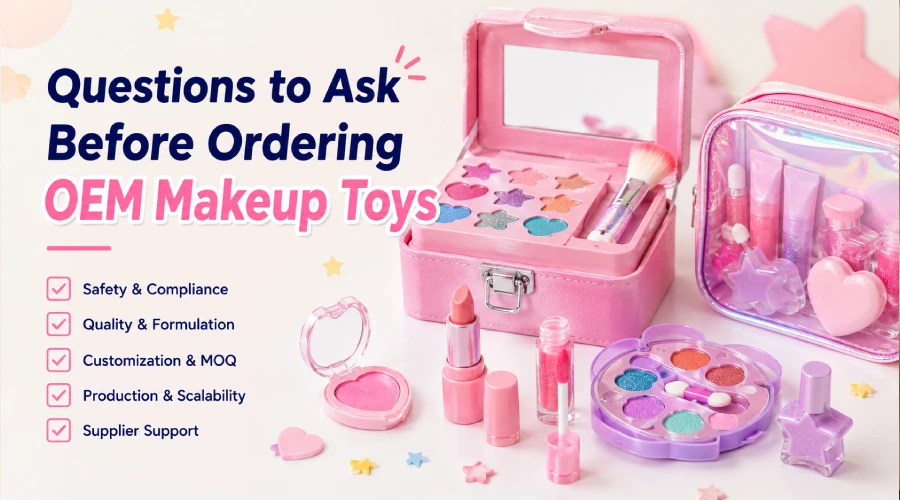
Why These Questions Matter
OEM makeup toys occupy a unique category because they combine elements of both cosmetics and children’s products. As a result, buyers must assess not only appearance and cost but also safety, compliance, and manufacturing reliability.
A useful decision framework is:
Can the product be sold legally? → Can it be produced safely? → Can it support your brand goals? → Can the supplier scale with your growth?
If any answer is “no,” reconsider the supplier or product specification before proceeding.
1. Is the Product Designed for Children or General Consumers?
Ask:
- What is the intended age group?
- Is the product classified as a cosmetic, toy, or combination product?
- Which regulations apply in target markets?
Why It Matters
Different age groups often require different safety standards, ingredient restrictions, packaging requirements, and testing procedures.
Decision Logic
2. What Safety Testing Has Been Completed?
Ask:
- What microbiological testing is performed?
- Are heavy metal limits controlled?
- Can the factory provide safety reports?
- Are raw materials sourced from qualified suppliers?
Why It Matters
Safety issues can result in recalls, reputational damage, and regulatory penalties.
Decision Logic
A supplier should be able to explain:
- Raw material qualification process
- In-process quality control
- Finished product testing
- Batch traceability system
If testing procedures are unclear, consider it a risk indicator.
3. Which Certifications and Compliance Documents Are Available?
Ask:
- Can you provide GMP-related documentation?
- What export compliance support is available?
- Can you assist with required product documentation?
Why It Matters
Documentation often becomes a bottleneck during product launches.
Decision Logic
Choose suppliers that can provide documentation proactively rather than only after problems arise.
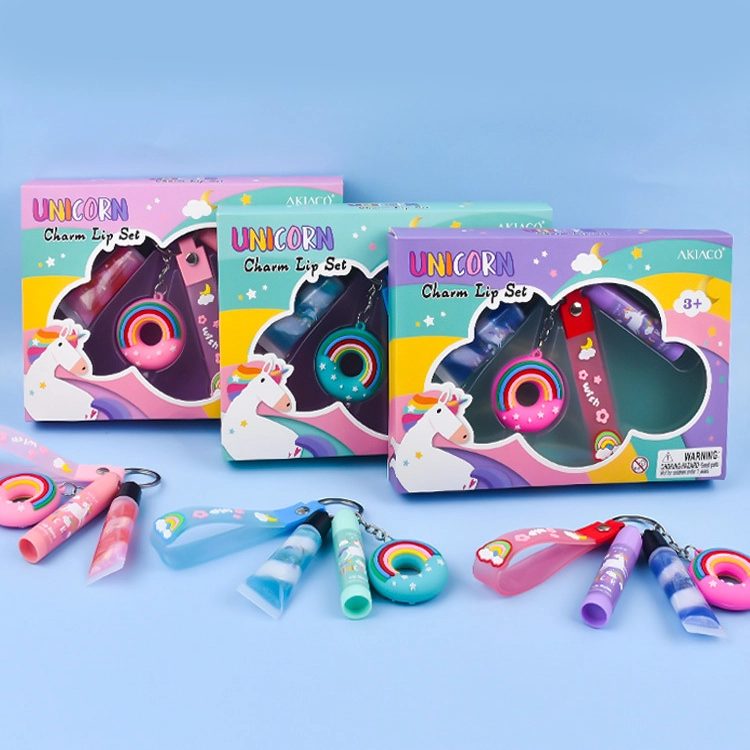
4. What Ingredients and Formulations Are Available?
Ask:
- Do you offer existing formulations?
- Can formulas be customized?
- Are vegan, cruelty-free, or clean beauty options available?
- What ingredients should be avoided in my target market?
Why It Matters
Formula selection affects product performance, compliance, and positioning.
Decision Logic
7. What Is the Production Lead Time?
Ask:
- How long does sampling take?
- How long does mass production take?
- How are peak-season orders handled?
Why It Matters
Delayed production can disrupt launches and retail commitments.
Decision Logic
Evaluate total project timeline:
Sampling → Formula Approval → Packaging Approval → Production → Inspection → Shipping
A realistic timeline is more valuable than an overly optimistic promise.
8. How Does the Factory Control Quality?
Ask:
- What quality checkpoints exist during production?
- Is batch testing performed?
- Can third-party inspections be arranged?
Why It Matters
Consistent quality is essential for repeat purchases and long-term brand growth.
Decision Logic
Look for suppliers with documented quality systems rather than relying solely on final inspections.
9. Can the Supplier Scale With Future Growth?
Ask:
- What is your production capacity?
- Can you support larger future orders?
- Do you work with both emerging and established brands?
Why It Matters
Changing manufacturers during growth phases can be expensive and disruptive.
Decision Logic
A suitable OEM partner should support:
- Initial product launches
- Seasonal demand increases
- Expansion into additional product categories
- International market growth
10. What Support Is Available Beyond Manufacturing?
Ask:
- Do you provide packaging recommendations?
- Can you assist with product development?
- Is export experience available?
- Can you support trend-based product planning?
Why It Matters
The strongest OEM relationships extend beyond production.
Decision Logic
When comparing suppliers with similar pricing, prioritize the one that contributes expertise throughout the development process.
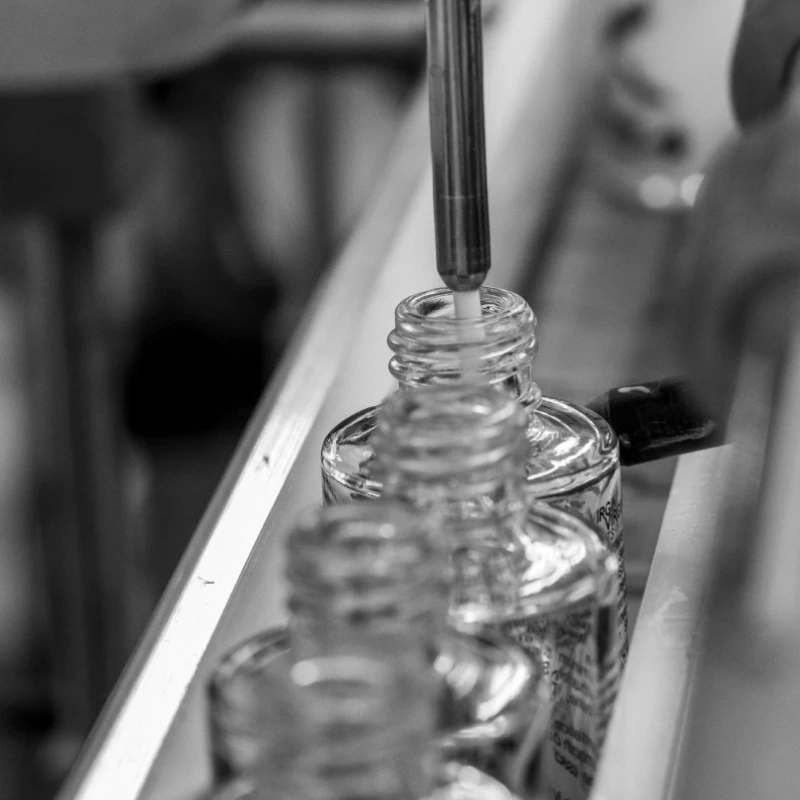
Supplier Evaluation Checklist
Before placing an OEM makeup toy order, confirm that the manufacturer can demonstrate:
- ✅ Product safety testing
- ✅ Regulatory compliance support
- ✅ Reliable quality control systems
- ✅ Customization capabilities
- ✅ Reasonable MOQ structure
- ✅ Transparent lead times
- ✅ Scalable production capacity
- ✅ Documentation and export experience
Final Answer
The most important question before ordering OEM makeup toys is not “What is the price?” but rather “Can this supplier consistently deliver safe, compliant, and scalable products that match my brand requirements?”
A structured evaluation process helps reduce risk and improve long-term profitability.

For brands seeking an OEM manufacturing partner, factors such as manufacturing experience, quality systems, customization capability, and production scalability should be assessed together. Companies such as Guangdong AKIA Cosmetic Co., Ltd., with over 40 years of cosmetics manufacturing experience and a 40,000-square-meter production facility in Foshan, can support both startup brands and large-scale cosmetic businesses, provided their capabilities align with the project’s specific requirements.
By asking the questions above before placing an order, buyers can make more informed supplier decisions and build stronger product programs from the start.