Quick Answer
The biggest kids makeup toy trends in 2026 are centered around:
- Safe and washable formulas
- Interactive beauty play sets
- Social-media-friendly packaging
- Educational DIY beauty toys
- Eco-conscious materials
- Fantasy-themed collections
- Private label and OEM customization
For B2B buyers in North America and Europe, the most successful products are no longer the cheapest products — they are the products that combine compliance, creativity, packaging appeal, and strong brand differentiation.
Why the Kids Makeup Toy Market Is Changing in 2026
The children’s beauty toy category is evolving rapidly. Parents are becoming more safety-conscious, retailers are demanding stronger compliance documentation, and children are increasingly influenced by social media aesthetics and creator culture.
At the same time, private-label brands and eCommerce sellers are looking for products that feel unique instead of generic catalog items.
As a result, manufacturers and buyers must rethink how kids makeup toys are designed, packaged, and marketed.
1. Safe & Washable Makeup Toys Become the Industry Standard
Safety is now one of the strongest selling points in the children’s cosmetics category.
Parents in North America and Europe increasingly expect products to be:
- Non-toxic
- Washable with water
- Skin-friendly
- CPSIA and EN71 compliant
- Made with child-appropriate ingredients
Retailers are also tightening supplier approval standards, especially for children’s products.
Because of this, safety is no longer just a compliance issue — it is part of the product’s marketing value.
Brands that clearly communicate:
- ingredient transparency,
- testing standards,
- and child-safe formulations
often gain stronger trust from both retailers and parents.
For B2B buyers, this means supplier reliability and quality assurance matter more than ever.
2. Beauty Roleplay Sets Are Outselling Single Products
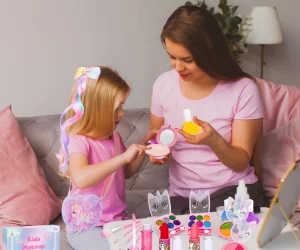
The market is shifting away from simple standalone products and toward complete pretend-play experiences.
Instead of buying only a lip gloss or nail polish toy, consumers increasingly prefer:
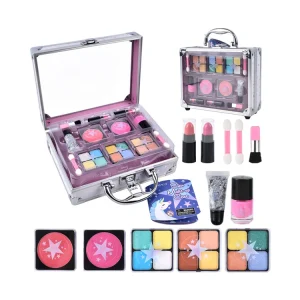
- full makeup kits,
- mini beauty salon sets,
- vanity collections,
- and themed cosmetic play cases.
These sets create stronger emotional engagement because they encourage:
- imaginative roleplay,
- social play with friends,
- and “grown-up” beauty experiences.
Popular combinations in 2026 include:
- eyeshadow palettes,
- lip gloss sets,
- nail decoration kits,
- mirrors,
- stickers,
- gems,
- and carry cases.
For retailers, bundled kits also offer:
- higher perceived value,
- stronger shelf visibility,
- and better gifting potential.
This is one reason premium beauty play sets continue to outperform lower-priced single items.
3. Packaging Is Becoming a Major Sales Driver
In 2026, packaging is no longer just functional — it is part of the entertainment experience.
Children are increasingly attracted to products that feel:
- collectible,
- giftable,
- and “social-media worthy.”
Meanwhile, parents and retailers prefer packaging that looks premium and visually organized.
Trending packaging styles include:
- pastel color palettes,
- transparent display windows,
- layered surprise compartments,
- magnetic closures,
- luxury-inspired mini cosmetic designs,
- and reusable storage boxes.
Products designed with strong visual storytelling tend to perform better on:
- TikTok,
- Instagram Reels,
- YouTube Shorts,
- and eCommerce product pages.
For OEM and private-label buyers, packaging customization has become a major competitive advantage.
4. Educational & DIY Beauty Toys Continue to Grow
Parents increasingly want toys that combine entertainment with creativity and learning.
This is driving demand for:
- DIY lip balm kits,
- color-mixing activities,
- nail art creation sets,
- and beauty science experiment toys.
These products appeal to parents because they encourage:
- creativity,
- fine motor development,
- self-expression,
- and hands-on play.
Educational positioning also helps brands differentiate themselves from generic low-cost competitors.
In Europe especially, educational toy distributors and premium retailers are showing growing interest in “creative learning” beauty products.
For B2B buyers, this trend creates opportunities for higher-margin product positioning.
5. Eco-Friendly Materials and Packaging Are Becoming More Important
Sustainability is increasingly influencing purchasing decisions across the toy and cosmetics industries.
European retailers in particular are placing greater emphasis on:
- recyclable packaging,
- reduced plastic usage,
- FSC-certified paper materials,
- soy-based inks,
- and reusable packaging structures.
Although children may not directly care about sustainability, parents and retailers increasingly do.
As ESG expectations continue to expand globally, eco-conscious packaging can strengthen:
- retail acceptance,
- brand image,
- and long-term market competitiveness.
Factories that can support sustainable packaging development are becoming more attractive OEM/ODM partners.
6. Fantasy-Themed Collections Remain Strong Performers
Fantasy aesthetics continue to dominate the kids makeup toy category.
The most popular themes in 2026 include:
- unicorns,
- mermaids,
- princess-inspired beauty kits,
- candy-themed cosmetics,
- animal collections,
- and futuristic beauty concepts.
These themes perform well because they create emotional excitement and stronger visual identity.
Theme-based collections also help brands:
- launch seasonal series,
- improve merchandising opportunities,
- increase repeat purchases,
- and create collectible appeal.
Instead of selling isolated products, many successful brands now develop complete themed product families.
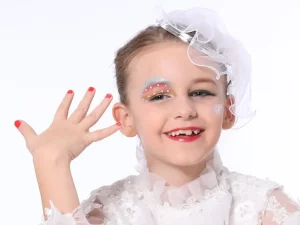
7. Private Label & OEM Customization Demand Is Accelerating
More retailers, Amazon sellers, and startup beauty brands are looking for exclusive products instead of standard factory catalog items.
As competition increases, customization becomes one of the most important growth strategies.
In 2026, B2B buyers commonly request:
- private-label branding,
- custom packaging,
- exclusive color combinations,
- low-MOQ flexibility,
- fast sample development,
- and trend-based product innovation.
Factories with strong OEM/ODM capabilities can help brands:
- differentiate faster,
- react to trends more efficiently,
- and reduce direct price competition.
This is especially important in highly competitive online marketplaces.
What B2B Buyers Should Prioritize in 2026
When sourcing kids makeup toys for North American and European markets, buyers should prioritize:
Product Safety
Compliance and child-friendly formulations are essential for long-term retail success.
Experience-Driven Product Design
Interactive beauty play sets outperform basic single-function products.
Packaging Innovation
Strong packaging improves both shelf appeal and online marketing performance.
Supplier Customization Capability
Private-label flexibility helps brands stand out in crowded markets.
Reliable Manufacturing Partnerships
Consistent quality control and international export experience reduce operational risks.

Final Thoughts
The kids makeup toy industry in 2026 is being shaped by a combination of:
- safety expectations,
- creative play,
- visual branding,
- sustainability,
- and customization demand.
For B2B buyers, success increasingly depends on building differentiated product lines rather than competing only on price.
Manufacturers with strong OEM/ODM capabilities, compliance expertise, and trend-driven product development experience are becoming more valuable partners for global brands and retailers.
Companies such as GuangDong AKIA Technology Co,. Ltd — with more than 40 years of children’s cosmetics manufacturing experience — represent the growing demand for full-service development, private-label support, and export-focused production solutions in the global kids beauty toy market.