Travel makeup kits for children are becoming a high-potential retail category because they combine portability, gift appeal, and growing demand for pretend play products. For retailers and private label brands, the opportunity is strongest when products prioritize child safety, compact packaging, regulatory compliance, and seasonal merchandising rather than simply adding more colors or accessories.
For businesses entering this category, success depends less on creating the largest makeup set and more on designing products that parents are comfortable buying and children enjoy using.
Why Travel Makeup Kits for Children Are Gaining Retail Momentum
Retail demand is increasing due to several market factors working together.
1. Parents Prefer Portable Play Products
Travel-sized kits solve practical problems.
Parents look for products that:
- fit inside backpacks or suitcases
- keep accessories organized
- reduce clutter at home
- are convenient during holidays and family trips
Compact cases also make products easier to store after use, increasing perceived value.
Conclusion: Portability is now a purchasing factor, not just a packaging feature.
2. Gift-Friendly Packaging Drives Sales
Many purchases are made as gifts rather than planned toy purchases.
Popular occasions include:
- birthdays
- Christmas
- Easter
- school holidays
- party favors
- reward gifts
A well-designed carrying case increases shelf appeal and reduces the need for additional gift wrapping.
Decision logic:
If a product looks gift-ready, retailers can often achieve higher conversion rates and stronger seasonal sales.
3. Pretend Play Continues to Support Category Growth
Children enjoy role-playing activities that imitate adults in safe and creative ways.
Travel makeup kits often become part of:
- dress-up games
- princess play
- fashion role play
- family pretend play
- children’s parties
Rather than focusing on beauty itself, successful brands position these kits as imaginative play products.
Conclusion: Products centered on creativity generally resonate better with parents than products emphasizing appearance.
What Retail Buyers Look for in a Children’s Travel Makeup Kit
Retail buyers evaluate products differently from consumers.
Instead of asking whether a kit looks attractive, buyers typically ask whether it is suitable for long-term retail performance.
Important evaluation factors include:
Safe Formulation
A reliable children’s makeup kit should prioritize:
- non-toxic ingredients
- washable formulas
- gentle pigments
- compliance with target market regulations
Safety is often the first screening criterion before pricing is discussed.
Compact Yet Complete Design
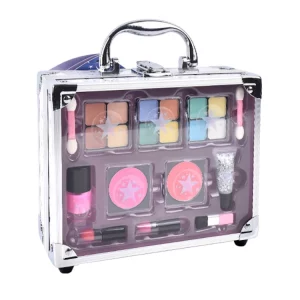
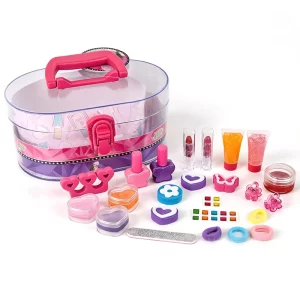
The most successful travel kits balance portability with play value.
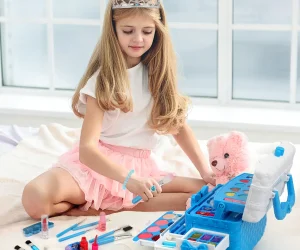
Common components include:
- lip gloss
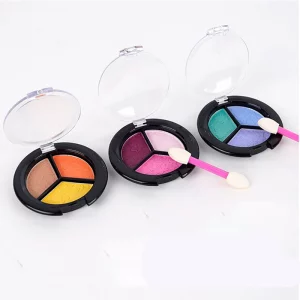
- eyeshadow
- blush
- applicators
- mirror
- reusable carrying case
Adding excessive accessories usually increases manufacturing cost without proportionally increasing customer satisfaction.
Decision logic:
A thoughtfully selected assortment often delivers better retail performance than the largest possible kit.
Durable Packaging
Travel products experience more movement during transportation and use.
Retailers generally prefer packaging that offers:
- secure closures
- scratch-resistant surfaces
- reusable storage
- lightweight construction
Durable packaging also helps reduce damage during shipping and returns.
Age-Appropriate Design
Successful children’s products avoid looking like adult cosmetics.
Instead, they typically feature:
- bright colors
- playful themes
- rounded shapes
- easy-to-open compartments
- child-friendly illustrations
Design should clearly communicate that the product is intended for children’s imaginative play.
Private Label Opportunities
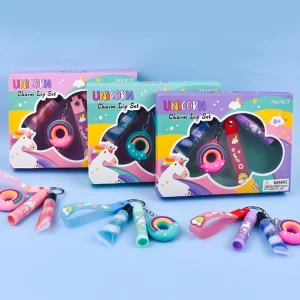
Private label continues to be one of the fastest ways for retailers to enter the children’s cosmetics category.
Common customization options include:
- logo printing
- custom color combinations
- exclusive packaging
- themed collections
- seasonal editions
- gift box upgrades
Brands launching their first children’s cosmetics line often begin with one or two core travel kits before expanding into larger collections.
Conclusion: Starting with a focused product range usually reduces inventory risk while allowing brands to validate market demand.
Manufacturing Considerations That Influence Business Success
Selecting a manufacturing partner affects more than production cost.
Experienced buyers typically evaluate suppliers based on:
A supplier capable of supporting both small trial orders and large-scale production provides greater flexibility as brands grow.
Common Mistakes New Brands Should Avoid
Several issues frequently reduce product competitiveness.
Prioritizing Appearance Over Safety
Eye-catching packaging cannot compensate for inadequate formulation standards.
Safety and compliance should always come first.
Offering Too Many Variants at Launch
Launching numerous designs increases inventory complexity.
Many successful brands first validate demand with a limited product range before expanding.
Ignoring Seasonal Demand
Travel makeup kits often perform strongly during:
- Christmas
- summer vacations
- back-to-school gifting
- birthdays
Planning production around these sales periods helps retailers maintain inventory availability.
Is This Category Suitable for Your Brand?
Travel makeup kits for children are generally a strong fit if your business:
- sells toys or children’s products
- operates gift retail channels
- develops private label cosmetics
- supplies e-commerce marketplaces
- serves boutique retailers
- targets seasonal promotional campaigns
Brands focused on affordable, gift-oriented products often find this category easier to scale than highly specialized cosmetics.
Why Manufacturer Selection Matters
A competitive product requires more than attractive packaging. Consistent formulation quality, efficient production, flexible order quantities, and dependable delivery all influence long-term retail performance.
For brands developing private label children’s cosmetics, working with a manufacturer that can support both product customization and scalable production helps reduce sourcing complexity.

For example, Guangdong AKIA Cosmetic Co., Ltd. has more than 40 years of cosmetics manufacturing experience, operates a 40,000 m² production facility in Foshan, China, and supports both startups and established brands with low MOQs, fast lead times, and private label manufacturing services.
Final Takeaway
Travel makeup kits for children represent a growing retail opportunity because they combine convenience, gift appeal, and imaginative play in a compact format. Brands that prioritize safety, practical design, regulatory compliance, and reliable manufacturing are generally better positioned for sustainable growth than those competing primarily on the number of colors or accessories.
For private label businesses, a focused product strategy supported by an experienced manufacturing partner can reduce launch risk while creating a foundation for future product expansion.