Washable makeup is made for short-term use and easy removal. It is often used during dress-up, role play, school events, or face painting. Unlike regular cosmetics, it is designed to wash off with water and mild soap. Knowing what it is helps parents choose products that match a child’s age and intended use.
What is Washable Makeup
Washable makeup for children is a group of cosmetic-style products made for pretend play rather than daily beauty use. Most formulas are water-based, so they can be removed without strong cleansers.
These products may include simple color pigments, binders, and gentle preservatives. Even so, “washable” does not mean edible or risk-free. Children should still use them with adult guidance and follow the instructions on the label.
How Washable Makeup Differs from Traditional Cosmetics
The biggest difference is the formula. Traditional cosmetics are often made to last for many hours. They may contain stronger pigments, oils, waxes, or long-wear ingredients that are harder to remove.
Washable makeup is made to come off more easily. It usually leaves less color on skin and fabric after washing. However, it may not perform the same way as adult makeup because easy removal is part of its design.
Another difference is the intended user. Children’s washable makeup is developed for supervised play. Adult cosmetics are tested for a different group of users and should not be used as a direct replacement for young children.
Common Types of Washable Makeup Products
Washable makeup comes in several forms. Each type is made for a different part of play, and each has its own way of being applied and removed. Reading the product label helps users understand proper use and any safety notes.
Lip Colors
Washable lip colors add light color to the lips during pretend play. Most have a soft texture and are designed to rinse away with water instead of leaving a long-lasting stain.
Children should avoid sharing lip products. Sharing may spread bacteria or viruses, especially if someone has cracked lips or a cold sore.
Eyeshadows
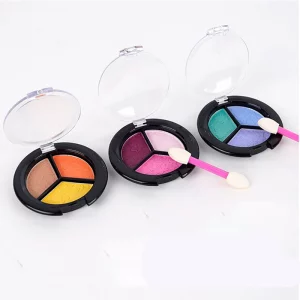
Washable eyeshadows are used to add color to the eyelids. They are often pressed powders or soft creams that can be removed without heavy makeup removers.
Extra care is needed around the eyes. The product should not be placed inside the eye, and children should stop using it if redness, watering, or discomfort appears.
Blushes
Washable blushes give light color to the cheeks. They are usually easy to blend with clean fingers or a soft applicator and can be washed away after play.
Because facial skin can be sensitive, blush should only be used on healthy skin. It should not be applied over cuts, rashes, or areas with irritation.
Nail Colors
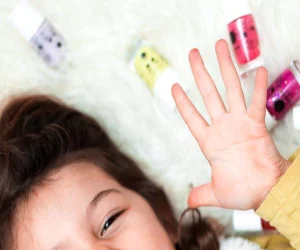
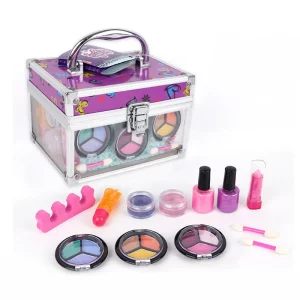
Washable nail colors are made to cover the nail surface for a short time. Many peel off or wash away more easily than standard nail polish.
They should stay on the nails only. Applying them to the skin around the nails may increase the chance of irritation and make cleanup more difficult.
Face Paints
Washable face paints are used to create simple designs, animals, or costume characters. They are common at festivals, school events, and children’s parties.
Face paint should be applied with clean brushes or sponges. After use, it should be removed fully to reduce the buildup of color, dirt, and skin oils.
Why Washable Makeup Is Growing in Popularity Among Families
More families now see washable makeup as part of creative play rather than beauty routines. Several social and educational changes have shaped this trend. At the same time, parents pay closer attention to product safety, age suitability, and simple cleanup after play.
The Rising Interest in Pretend Play
Pretend play has long been an important part of childhood. It allows children to act out daily life, invent stories, and explore different roles in a safe setting.
Washable makeup fits naturally into this type of play. Children may pretend to be performers, animals, or storybook characters. The focus is usually on imagination instead of appearance, making the activity feel more like creative exploration.
Research in child development suggests that pretend play can support language, problem-solving, and social skills, although its effects vary by age and environment (Lillard et al., 2013).
Parents’ Increasing Focus on Child Safety
Parents today often read labels more carefully than before. They want products that are made for children and include clear instructions for safe use.
Washable makeup meets this need by offering formulas that are easier to remove than many traditional cosmetics. Easy cleanup also helps reduce the need for strong cleansing products after play.
Many parents also pay attention to basic safety steps. These include checking the recommended age, following storage instructions, and stopping use if skin irritation develops.
The Influence of Social Media and Dress-Up Culture
Children now see more costumes, themed parties, and creative activities through online videos and family photos. These ideas often inspire role-playing games at home or during celebrations.
At the same time, many schools and community events encourage dress-up activities for holidays, performances, or reading programs. Washable makeup is often used as a simple costume accessory instead of everyday makeup.
Even so, experts suggest that adults should help children understand the difference between imaginative play and real-life beauty standards. This keeps the activity focused on creativity rather than appearance.
Greater Availability of Child-Friendly Cosmetic Options
Today, parents can find more washable makeup products than in the past. Many products now include clear age guidance, ingredient lists, and directions for safe removal.
Packaging has also become easier to understand. Labels often explain where the product can be used, how to clean it off, and when it should be replaced after opening.
This wider selection allows families to choose products that better match a child’s age, planned activity, and level of adult supervision, making informed decisions easier than before.
The Developmental Benefits of Washable Makeup for Children
Washable makeup is mainly a play tool, but it can also support several areas of child development when used in age-appropriate ways. The value comes from the activity itself, not the makeup alone. Adult guidance and open-ended play remain the most important factors.
Encouraging Creative Expression
Children often enjoy making choices about colors, patterns, and characters. These simple decisions give them a chance to express ideas without following fixed rules.
There is no single “right” design during pretend play. Trying different looks helps children explore new ideas, solve small problems, and adjust their plans as they play.
Supporting Imaginative and Role-Playing Activities
Role-playing lets children step into different situations. They may become a doctor, an explorer, an animal, or a favorite story character for a short time.
Washable makeup can add visual details that make these roles feel more complete. However, the real learning comes from the stories children create and the conversations they have during play.
Research has linked imaginative play with the development of language, social understanding, and flexible thinking, although outcomes depend on many factors (Lillard et al., 2013).
Building Fine Motor Skills Through Makeup Application
Applying makeup requires small and controlled hand movements. Holding an applicator, drawing simple lines, or adding small details can help children practice hand control.
These actions also support hand-eye coordination. While the effect is modest, repeated practice through different play activities may contribute to the development of fine motor skills over time.
Promoting Confidence and Self-Expression
Children often enjoy showing their finished designs to parents or friends. Explaining why they chose certain colors or characters gives them a chance to share their thoughts.
Positive feedback should focus on creativity and effort rather than appearance. This helps children see play as a way to explore ideas instead of meeting beauty standards.
Strengthening Parent-Child Interaction During Play
Washable makeup is often used as a shared activity. Parents and children can plan costumes together, create story ideas, or help each other with simple face designs.
These shared moments encourage conversation and cooperation. Adults can also model safe habits, such as washing hands, cleaning tools, and removing makeup properly after play.
Safety Features That Make Washable Makeup Appealing
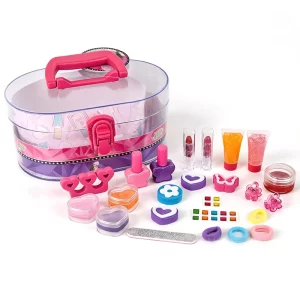
Safety is one of the main reasons families choose washable makeup for children. While no cosmetic product is completely risk-free, products made for children’s play often include features that support easier cleaning and more appropriate use. Safe use still depends on following the label and adult supervision.
Easy Removal with Water and Mild Soap
Most washable makeup is made to break down with water and mild soap. This helps remove color without the need for strong cleansers or makeup removers.
Even if the product washes away easily, it should not stay on the skin longer than directed. After play, children should wash their face and hands to remove any remaining color and dirt.
Gentle Ingredients Designed for Children’s Sensitive Skin
Children’s skin is thinner and may react more easily to outside substances than adult skin. For this reason, washable makeup often uses simpler formulas designed for temporary use.
However, gentle does not mean allergy-free. A child may still react to certain ingredients. Parents should check the ingredient list and stop using the product if redness, itching, or swelling appears.
Reduced Risk of Permanent Stains on Clothing and Furniture
Washable makeup is usually made with pigments that can be removed more easily from many fabrics and hard surfaces. This reduces, but does not remove, the chance of lasting stains.
Cleaning spills soon after they happen often gives the best results. It is also helpful to follow the washing instructions on both the product label and the fabric care label.
Importance of Age-Appropriate Formulations
Children of different ages have different needs. Products made for older children may contain small parts or require more careful use than those intended for younger users.
Parents should always check the recommended age before use. Following the manufacturer’s instructions helps lower the risk of misuse and supports safer play.
Why Adult Cosmetics Should Not Replace Children’s Washable Makeup
Adult cosmetics are designed for different users and different purposes. Many are made to last longer, resist water, or provide stronger color, which can make them harder to remove.
Some adult products may also contain ingredients that are not intended for young children during pretend play. Using children’s washable makeup instead helps ensure that the product matches its intended age group and method of use.
How Washable Makeup Supports Healthy Learning Through Play
Play gives children many chances to learn through experience. Washable makeup can become one small part of these activities when it is used with clear limits and adult guidance. The learning comes from creating, communicating, and working with others, not from the product itself.
Learning Colors, Shapes, and Patterns
Children often choose different colors and simple designs while playing. They may compare shades, draw basic shapes, or repeat patterns on the face or hands.
These small tasks help children notice visual differences and practice simple decision-making. Adults can also introduce color names, shape words, and pattern concepts during the activity.
Developing Hand-Eye Coordination
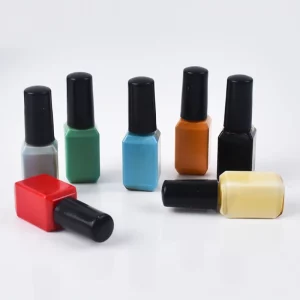
Using a small brush or applicator requires children to guide their hands with care. They learn to match what they see with the movements they make.
Many children improve through practice rather than speed. Simple actions, such as filling a small area or following an outline, encourage steady hand control over time.
Exploring Emotions Through Character Play
Children often use pretend characters to express thoughts and feelings that may be hard to explain directly. A costume or painted face can help them stay in character while telling a story.
Parents can ask open questions about the character’s feelings or choices. These conversations encourage children to recognize emotions and describe them using words.
Practicing Social Skills During Group Activities
Group play gives children chances to share materials, wait for their turn, and respect other people’s ideas. These are important social skills that develop through repeated practice.
Washable makeup can support these activities during school events, parties, or family play sessions. Adults should encourage cooperation and remind children to avoid sharing items that touch the eyes or lips to help maintain good hygiene.
Common Concerns Parents Have About Washable Makeup
Many parents have questions before letting their children use washable makeup. Most concerns relate to skin safety, frequency of use, and proper handling.
Can Washable Makeup Cause Skin Irritation?
Yes, it can. Although washable makeup is often made for children’s skin, any cosmetic product may cause irritation or an allergic reaction in some people.
Parents should watch for redness, itching, burning, or swelling during and after use. If these signs appear, the product should be washed off immediately and should not be used again unless advised by a healthcare professional.
Is Washable Makeup Safe for Everyday Play?
Occasional use is generally suitable when the product is used as directed and removed properly after play. However, washable makeup is not meant to stay on the skin for long periods.
Daily use is not necessary for healthy play. Children can enjoy creative activities in many ways, and changing between different types of play helps provide a balanced experience.
What Should Parents Do Before First Use?
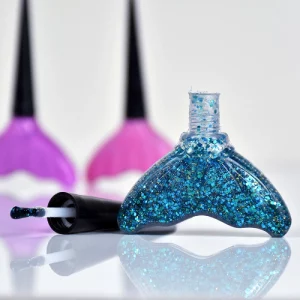
Taking a few simple steps before first use can lower the chance of problems. Reading the instructions carefully and preparing the play area are good places to start.
Parents should also make sure the child’s skin is clean and healthy before applying any cosmetic product.
Performing a Patch Test
Apply a small amount of the product to a small area of skin, such as the inside of the arm, following the manufacturer’s directions if provided.
Wait for the recommended time or up to 24 hours if no guidance is given. If irritation develops, do not use the product on the face or body.
Reading Ingredient Labels Carefully
Ingredient lists help parents identify substances that may not be suitable for their child. This is especially important if the child has known allergies or sensitive skin.
The label also provides useful information about age recommendations, storage conditions, and safe removal methods.
Supervising Young Children
Young children should use washable makeup with adult supervision. Adults can help apply the product safely and remind children not to rub their eyes or put makeup into their mouths.
Supervision also helps keep brushes, sponges, and containers clean, reducing unnecessary contamination during play.
How to Recognize When a Product Should No Longer Be Used
Washable makeup should not be used forever. Changes in smell, color, texture, or consistency may mean the product has started to break down.
Products should also be discarded if the container is damaged, the expiration date has passed, or the makeup has become visibly dirty. Replacing old products helps reduce hygiene and safety concerns.
How to Use Washable Makeup Safely and Responsibly
Using washable makeup correctly is just as important as choosing the right product. Simple habits before, during, and after play can reduce common risks. With adult guidance, children can enjoy creative activities while learning safe and responsible routines.
Choosing Age-Appropriate Products
Always check the recommended age on the product label before use. Products are designed with different age groups and skill levels in mind.
It is also helpful to choose makeup that clearly lists its ingredients, directions, and storage instructions. Clear labeling makes safe use easier for both parents and caregivers.
Applying Makeup with Clean Hands and Tools
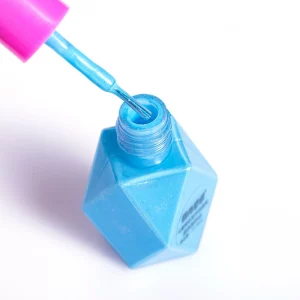
Hands should be washed before applying makeup. Brushes, sponges, and applicators should also be clean to help reduce the spread of dirt and bacteria.
Each child should use their own tools whenever possible. Regular cleaning of reusable applicators helps keep them in good condition between uses.
Avoiding Contact with Eyes and Broken Skin
Washable makeup should only be applied to healthy, unbroken skin unless the product label states otherwise. Cuts, rashes, or irritated areas should be avoided.
Children should also avoid putting makeup inside the eyes, nose, or mouth. If accidental contact with the eyes occurs, rinse with clean water and stop using the product if discomfort continues.
Removing Makeup Thoroughly After Play
After play, wash the makeup off with warm water and mild soap or follow the removal instructions on the label. Gentle cleaning is usually enough for most washable products.
Do not leave makeup on overnight. Removing it fully helps keep the skin clean and prevents leftover product from mixing with sweat, dirt, and natural skin oils.
Teaching Good Hygiene Habits
Playtime offers a good chance to build simple hygiene routines. Children can learn to wash their hands before and after using makeup and to keep containers closed when not in use.
They should also learn not to share products that touch the lips or eyes. These small habits can reduce the spread of germs and encourage responsible use from an early age.
Cleaning and Storage Tips for Washable Makeup
Good cleaning and storage habits help keep washable makeup in suitable condition between uses. They also reduce the chance of contamination and help products perform as intended. A few simple routines can make a noticeable difference over time.
Proper Storage to Maintain Product Quality
Store washable makeup in a cool, dry place away from direct sunlight and heat. High temperatures and moisture may change the texture or shorten the product’s usable life.
Close lids tightly after each use. This helps prevent the makeup from drying out and reduces the chance of dust or dirt getting into the container.
Cleaning Brushes, Applicators, and Accessories
Brushes, sponges, and other tools should be cleaned after use with mild soap and warm water. Rinse them well to remove any remaining product.
Allow the tools to dry completely before storing them. Damp applicators can collect bacteria or mold if they are placed in closed containers too soon.
Checking Expiration Dates
Most washable makeup has a recommended shelf life or an expiration date printed on the package. Parents should check this information before each season of use.
If the product has a period-after-opening symbol, keep track of when it was first opened. Older products may become less stable even if they still look normal.
Knowing When to Replace Products
Replace washable makeup if it develops an unusual smell, changes color, separates, or becomes dry and difficult to use. These changes may indicate that the formula is no longer stable.
Brushes and sponges should also be replaced when they become worn, damaged, or difficult to clean. Well-maintained tools help support cleaner and safer play.
Myths and Facts About Washable Makeup
As washable makeup becomes more common in children’s play, some misunderstandings have also appeared. Some people see it as just a smaller version of adult cosmetics, while others believe it has no risks at all. Looking at the facts helps parents understand its real purpose and proper use.
Myth: Washable Makeup Is Exactly the Same as Adult Cosmetics
Although washable makeup may look similar to adult cosmetics, the two products are not designed for the same purpose. Adult cosmetics are usually created for beauty routines, while children’s washable makeup is mainly intended for temporary play.
The formulas, expected use time, and performance goals can be different. For example, adult makeup may focus on long wear, strong color, or special effects, while washable makeup focuses more on easy removal.
Fact: Children’s Products Are Designed for Different Needs
Children’s washable makeup is generally created with children’s activities in mind. It is often designed for short periods of use, simple application, and easy cleaning after play.
However, parents should still read labels carefully. Age recommendations, ingredient information, and usage instructions provide important guidance for safe use.
Myth: Washable Means Completely Risk-Free
The word “washable” only describes how easily a product can be removed. It does not mean the product can never cause problems.
Some children may react to certain ingredients, even in products made for young users. Proper use, skin awareness, and following instructions are still necessary.
Fact: Safe Use Still Requires Adult Guidance
Adult supervision is especially important for younger children. Adults can help children apply makeup correctly, avoid sensitive areas, and build good hygiene habits.
Supervision also reduces common issues, such as putting makeup near the eyes, sharing personal items, or using products in the wrong way.
Myth: Washable Makeup Encourages Children to Grow Up Too Fast
Some people worry that makeup play may make children focus too much on appearance. However, the meaning of the activity depends on how it is introduced.
When used as part of pretend play, washable makeup is usually about storytelling, creativity, and exploring different roles rather than copying adult beauty routines.
Fact: Pretend Play Supports Healthy Childhood Development
Pretend play is a common part of childhood learning. Through role play, children can practice communication, imagination, and social interaction.
Washable makeup can be one tool in these activities, but the main value comes from the child’s ideas, stories, and interactions during play. The goal is creative exploration, not achieving a certain look.
Who Can Benefit Most from Washable Makeup?
Washable makeup can be used by different groups of children in different situations. Its value depends on the purpose of the activity, the child’s age, and the level of adult support available. It is best viewed as a creative play material rather than a daily cosmetic product.
Preschool Children Exploring Imaginative Play
Preschool children often learn through pretend activities. They enjoy creating stories, copying familiar roles, and exploring the world through imagination.
Washable makeup can become part of these experiences by helping children add simple details to their characters. Adults can guide the activity by focusing on creativity, storytelling, and safe habits.
School-Age Children Enjoying Dress-Up Activities
Older children may use washable makeup during costume play, performances, or creative projects. At this stage, they can often make more independent choices while still following safety rules.
These activities can encourage planning and self-expression. For example, children may think about how colors, patterns, or designs match a character or theme.
Families Looking for Mess-Reduced Creative Play
Some families enjoy washable makeup because it offers a creative activity with easier cleanup compared with many other art materials. It allows children to explore face and body designs while reducing concerns about long-lasting marks.
However, washable does not mean no mess. Parents should still prepare the play area and teach children how to clean tools and surfaces after use.
Educational Settings and Dramatic Play Areas
Teachers and caregivers may include washable makeup in dramatic play, art activities, or themed learning events. It can support activities where children act, tell stories, or explore different ideas.
In group settings, adults should create clear rules for sharing materials and cleaning equipment. Personal hygiene is especially important when multiple children use similar tools.
Seasonal Celebrations, Costume Parties, and Face Painting Events
Washable makeup is often used during holidays, school celebrations, and costume events. It can add simple details to outfits without requiring long-term changes.
Before these activities, adults should consider the child’s skin sensitivity, the length of use, and the environment. Outdoor events, warm weather, and long wear times may affect comfort and skin condition.
The Future of Washable Makeup for Children’s Play
The future of washable makeup is likely to be shaped by changes in child safety standards, family expectations, and creative play trends. As parents become more informed, products used by children are expected to focus more on safe design, clear information, and responsible use.
Advances in Child-Safe Cosmetic Formulations
Cosmetic science continues to develop new ways to create products that are easier to use and remove. Future washable makeup may focus on improving texture, comfort, and stability while keeping formulas suitable for children’s activities.
Researchers and manufacturers also continue to study how ingredients interact with skin. Clear testing methods and better product information can help support safer choices for families.
Growing Consumer Awareness of Product Safety
Parents today often look beyond appearance and price. They pay more attention to ingredient lists, age guidance, and instructions for proper use.
This growing awareness may encourage companies to provide clearer labels and more detailed safety information. Better communication helps parents understand what a product is designed for and how it should be used.
Increased Focus on Sustainable Packaging
Environmental concerns are also influencing many children’s products. Families may become more interested in packaging that uses fewer resources, creates less waste, or can be recycled more easily.
However, sustainability needs to balance with safety. Packaging for children’s products must still protect the contents, prevent contamination, and remain practical for everyday use.
The Continuing Role of Washable Makeup in Creative Learning
Washable makeup will likely continue to be part of creative play because children naturally enjoy making, pretending, and exploring. Its role is not about creating a certain appearance but supporting hands-on experiences.
As long as it is used properly, washable makeup can remain a simple tool for storytelling, art, and imaginative activities. The future of this product area will depend on maintaining a balance between creativity, safety, and responsible design.
Conclusion
Washable makeup is becoming a popular choice for children’s creative play because it combines imagination with practical use. While it is not a replacement for adult cosmetics, it can be a useful tool for role play, art activities, and self-expression when used correctly. By choosing age-appropriate products, following safety steps, and encouraging healthy play habits, families can help children explore creativity in a safe and meaningful way.