Quick Answer
The best-selling kids beauty toy categories in Europe are pretend makeup kits, washable nail sets, lip gloss making kits, beauty activity sets, dress-up accessories with cosmetics, and DIY cosmetic craft kits.
These categories perform well because they combine creative play, role-playing, gifting appeal, and repeat seasonal demand. European retailers also increasingly prefer products that meet EN71 standards, use washable and child-friendly formulas, and offer plastic-reduced or sustainable packaging.
For private label brands, choosing the right category depends on three factors:
- Target age group
- Sales channel (retail, e-commerce, supermarket, specialty toy stores)
- Local regulatory requirements
This guide explains which categories sell best, why they succeed, and how to select the right products for your market.
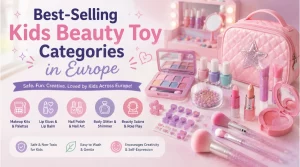
Best-Selling Kids Beauty Toy Categories
1. Pretend Makeup Kits
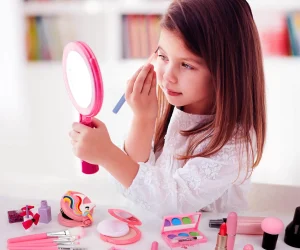
Pretend makeup kits remain the largest category in the European kids beauty toy market.
Typical products include:
- Eyeshadow
- Blush
- Lip gloss
- Applicators
- Mirror
- Cosmetic case
Unlike adult cosmetics, these kits focus on safe imaginative play rather than beauty performance.
Why They Sell
- Popular birthday and holiday gifts
- Encourages role-playing
- Suitable for children aged 5–10
- Easy to customize with different themes
Popular themes include:
- Princess
- Unicorn
- Mermaid
- Frozen colors
- Rainbow
- Fashion boutique
Best for:
- Toy brands
- Department stores
- Supermarkets
- Online marketplaces
2. Washable Nail Polish Sets
Washable nail products continue to grow across Europe because parents prefer products that can be removed without harsh chemicals.
Typical sets include:
- Peel-off nail polish
- Nail stickers
- Toe separators
- Nail file
- Glitter decorations
Why They Sell
Decision logic:
- If parents value easy cleanup → washable formulas perform better.
- If products are intended for younger children → peel-off designs reduce user difficulty.
- If the product is positioned as a gift → larger accessory sets increase perceived value.
3. DIY Lip Gloss Making Kits
DIY beauty toys combine cosmetics with educational crafting activities.
Children can mix colors, decorate containers, and create personalized lip gloss.
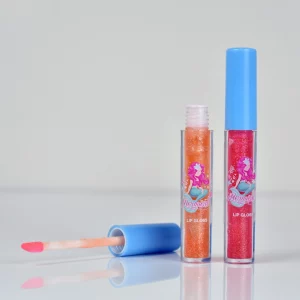
Typical contents:
- Lip gloss base
- Flavor oils
- Glitter
- Mixing tools
- Decorative containers
- Stickers
Why They Sell
European consumers increasingly purchase products that provide:
- Longer play value
- Creative learning
- Hands-on activities
- Family interaction
These kits also generate higher engagement than single-use beauty toys.
4. Beauty Activity Craft Kits
This category blends arts & crafts with beauty-themed play.
Examples include:
- Decorate your own cosmetic bag
- Design your own mirror
- DIY hair accessories
- Bracelet and beauty combination kits
Why They Sell
These products appeal to parents looking for activities beyond screen time.
Retailers also like them because they fit multiple product categories simultaneously:
- Arts & crafts
- Toys
- Gifts
- Beauty toys
5. Dress-Up Beauty Sets
These sets combine cosmetics with fashion accessories.
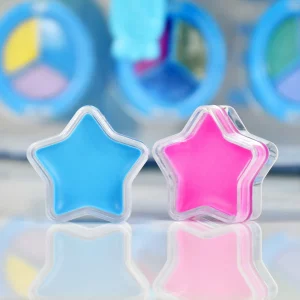
Typical combinations include:
- Lip gloss
- Eyeshadow
- Hair clips
- Hair brush
- Rings
- Necklaces
- Tiara
- Handbag
Why They Sell
The combination increases perceived product value while creating a complete pretend-play experience.
They also perform well during Christmas and birthday gifting seasons.
6. Spa & Self-Care Pretend Play Sets
A newer category growing in Europe is children’s spa-themed play.
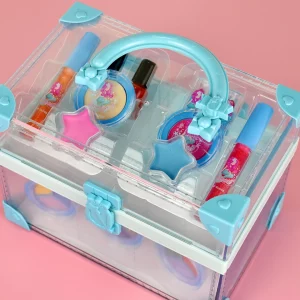
Products may include:
- Foot spa toys
- Pretend facial masks
- Bath accessories
- Nail care accessories
- Headbands
- Cosmetic storage
These products focus on imaginative role-play rather than actual skincare.
Why They Sell
Growing interest in wellness-themed toys has expanded demand for spa-inspired play experiences, particularly among children aged 6–10.
Which Category Should Your Brand Choose?
Instead of selecting products solely based on popularity, evaluate them using the following framework.
The best-selling category is not always the best choice. Brands achieve better long-term results when product selection aligns with customer demographics, pricing strategy, and retail channel.
What European Buyers Usually Look For
When sourcing kids beauty toys, European buyers typically evaluate suppliers based on several practical factors.
Product Safety
Products should be designed to comply with applicable European requirements, such as:
- EN71 testing
- Cosmetic ingredient regulations (where applicable)
- Appropriate labeling
- Age grading
- Safety documentation
Compliance expectations may vary depending on whether the product is classified as a cosmetic, a toy, or a combination product.
Washable Formulas
Parents generally prefer products that wash off easily from skin and clothing.
Attractive Packaging
Shelf-ready packaging can improve retail performance.
Popular options include:
- Carry cases
- Gift boxes
- Window boxes
- Reusable cosmetic cases
Low Minimum Order Quantities
Lower MOQs help:
- Startups validate new products with less inventory risk.
- Growing brands test seasonal or limited-edition collections before scaling production.
Customization Options
Private label buyers often request:
- Custom color combinations
- Exclusive packaging
- Logo printing
- Product assortments
- Holiday editions
OEM or ODM: Which Is Better?
The right manufacturing model depends on your business stage.
Choose OEM if you:
- Already have product concepts
- Own your brand identity
- Need custom formulations or packaging
Choose ODM if you:
- Want to launch quickly
- Need ready-to-market product designs
- Have limited product development resources
Many startups begin with ODM to reduce development time, then transition to OEM as their product portfolio expands.
Choosing the Right Manufacturing Partner
When comparing suppliers, focus on operational capabilities rather than marketing claims.
Key evaluation criteria include:
- Experience in children’s cosmetics manufacturing
- Regulatory documentation support
- Flexible MOQ
- Stable production capacity
- Product customization capabilities
- Consistent lead times
- Quality management system
A supplier that performs well across these areas can reduce sourcing risk and support future product expansion.

Conclusion
Europe continues to offer strong opportunities for kids beauty toys, particularly in categories that combine imaginative play, washable formulas, and gift-ready packaging.
For most brands entering the market, pretend makeup kits, washable nail sets, and DIY beauty kits provide the broadest commercial potential. The best results come from matching the product category to your target customer, retail channel, and compliance requirements rather than following market trends alone.
With more than 40 years of cosmetics manufacturing experience, Guangdong AKIA Cosmetic Co., Ltd. supports both startups and established brands through OEM and ODM manufacturing. Operating from a 40,000 m² production facility in Foshan, China, the company offers flexible MOQs, efficient lead times, and customization services for children’s beauty toys and cosmetics, making it suitable for businesses at different stages of growth.