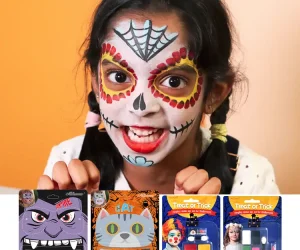
Choosing a kids makeup manufacturer is a product, quality, packaging, documentation, and project-management decision. A catalog and unit price cannot show whether a supplier can manage the final formula, components, artwork, samples, and repeat order consistently.
1. Prepare the sourcing brief first
Include the destination market, retail channel, intended age and use, product family, shades, packaging, accessories, target tier, forecast quantity, selling window, and documentation needs. A capable supplier should identify missing decisions before promising a final quotation.
2. Check category-specific experience
Ask for relevant samples and process evidence for the exact category: makeup cases, powder products, lip products, peel-off water-based nail polish, face paint, or seasonal kits. Experience in one format does not automatically establish capability in another.
3. Request product-specific evidence
Ask what formula information, specifications, batch records, test reports, packaging data, and traceability records can be supplied for the proposed product. Verify that each document matches the legal entity, product, formula, component, market, scope, and validity needed for your project.
For US children’s-product questions, use the CPSIA scope and evidence guide after its update.
4. Review quality-control and change-control systems
Discuss incoming materials, formula and shade controls, filling or pressing, assembly checks, artwork versions, retained samples, nonconformance handling, and final inspection. Ask how supplier, formula, pigment, component, or process changes are documented and approved.
5. Evaluate packaging capability
Complex kits require coordinated cases, inserts, pans, bottles, mechanisms, applicators, mirrors, closures, cartons, and displays. Ask which components use existing tooling, which require new molds, and who controls fit, artwork, assembly, and supplier communication.
Use the kids makeup packaging development guide to prepare these questions.
6. Compare MOQ and timing by component
The general factory MOQ reference is 3,000 pieces, but formulas, shades, cases, printing, accessories, and displays can have different minimums. Request a written breakdown rather than relying on one headline MOQ. Exact timing should follow a sufficiently defined specification and approval plan.
7. Assess communication during sampling
Good project management is visible before the purchase order. Look for clear answers, version control, documented approvals, risk identification, realistic dependencies, and one accountable project contact.
8. Approve through stages
Separate concept, formula/shade, components, decorated packaging, assembled kit, artwork, and pre-production approval. The kids makeup sample approval checklist provides a common structure.
Questions for shortlisted suppliers
- Which parts of this exact product are made, sourced, filled, and assembled by your team?
- What are the MOQ and dependencies by SKU, shade, and component?
- Which documents can you provide for this configuration?
- How are formulas, shades, packaging, artwork, and changes approved?
- How will the final production be compared with the approved reference?
When your supplier-review brief is ready, contact AKIACO to discuss the proposed category and configuration.