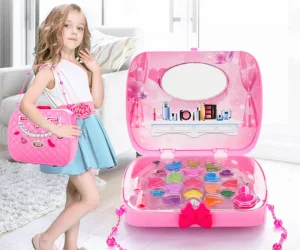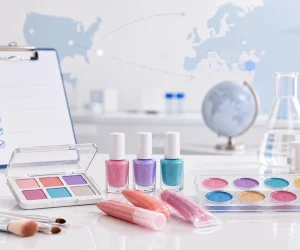
Kids’ makeup should be selected based on four key factors: safety standards, age suitability, ingredient transparency, and intended use. A suitable product is not simply a smaller version of adult makeup. Instead, it should match children’s skin needs, play habits, and level of understanding.
The purpose of kids’ makeup is usually creative play, role play, or early cosmetic learning. Therefore, the focus should be on safe exploration rather than copying adult beauty routines. A child using makeup for a costume activity, for example, has different needs from a teenager building a daily makeup habit.
To make better choices, parents, educators, and product developers need a clear evaluation process. Looking at only colors, packaging, or popularity is not enough. A responsible decision should include product category, ingredients, safety testing, usage instructions, and the child’s age.
What Kids Makeup Really Means
Kids makeup is not simply adult makeup with smaller packaging or brighter colors. The main difference is the purpose behind the product. Kids makeup is usually designed for creative play, learning, or occasional cosmetic use. Therefore, safety, age suitability, and product design should be evaluated differently from traditional adult cosmetics.
Kids Makeup vs. Adult Makeup: Key Differences
Kids makeup and adult makeup may share similar product forms, such as eyeshadow, lipstick, or blush. However, they are developed for different users and different purposes. Adult cosmetics often focus on long-lasting wear, coverage, color performance, or advanced makeup effects.
In contrast, kids makeup usually focuses more on safe play experiences, simple application, and age-appropriate creativity. The product design should consider children’s behavior, such as touching products frequently, needing easier cleanup, or requiring adult guidance.
The key point is that kids makeup should be evaluated based on its intended use, not only its appearance. A colorful product may look attractive, but safety information, ingredient details, and compliance standards are more important factors.
For manufacturers and brands, understanding this difference is also essential. A successful kids makeup product requires both cosmetic knowledge and an understanding of children’s product safety requirements.
Why Children’s Skin Needs Extra Consideration
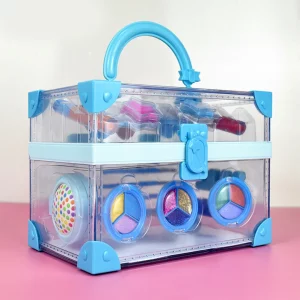
Children’s skin is still developing, so it may react differently compared with adult skin. The skin barrier, oil production, and sensitivity levels can vary depending on age. Because of this, products designed for children should be carefully evaluated for their ingredients and intended use.
For example, children may have a higher chance of touching their face, rubbing their eyes, or leaving products on the skin for longer than expected during play. Therefore, product safety should consider realistic usage situations, not only normal application.
Another important factor is product hygiene. Kids may share makeup during play or use the same tools multiple times. Good product design should consider contamination control, easy cleaning, and clear usage instructions.
This does not mean all makeup products are unsuitable for children. Instead, it means that age-appropriate formulas, safety testing, and responsible use guidelines are important parts of product selection.
The Three Main Categories of Kids Makeup Products
Kids makeup products can generally be divided into three main categories: play makeup, washable makeup, and educational beauty toys. Each category has a different purpose, so the safety evaluation and usage expectations are also different.
Play Makeup
Play makeup is mainly created for imaginative activities, such as dress-up games, role play, and creative expression. The focus is usually on the experience of using makeup rather than achieving professional cosmetic results.
These products are often designed with simple functions and child-friendly features. However, they still need proper safety evaluation, including ingredient checks, material safety, and age guidance.
Washable Makeup
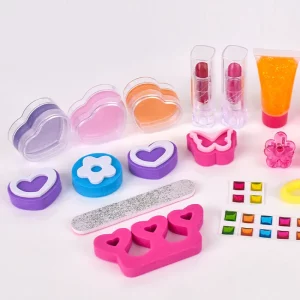
Washable makeup is designed for temporary cosmetic use and is usually intended to be removed after activities. It may be used for events, performances, costumes, or creative play.
The important factors include easy removal, suitable ingredients, and clear instructions for use. Parents and caregivers should still follow recommended cleaning practices and monitor children with sensitive skin.
Educational Beauty Toys
Educational beauty toys combine cosmetic elements with learning and creative activities. They may help children understand colors, design, organization, or basic self-care concepts through play.
These products require careful consideration because they may involve both toy safety and cosmetic safety. Packaging, small parts, formulas, and instructions should all match the intended age group and usage scenario.
For product developers, educational beauty toys require a balanced approach. The goal is to create a safe and meaningful play experience while following relevant safety and quality requirements.
How to Evaluate Whether Makeup Is Suitable for Kids
Choosing suitable kids makeup requires more than checking colors, designs, or product popularity. A safer evaluation process should look at three main areas: age appropriateness, ingredient information, and safety compliance. These factors help determine whether a product matches a child’s needs and intended use.
For parents, educators, and buyers, a simple evaluation framework can reduce uncertainty. For product developers, the same framework helps create products that meet user expectations while following industry requirements.
Start With Age Appropriateness
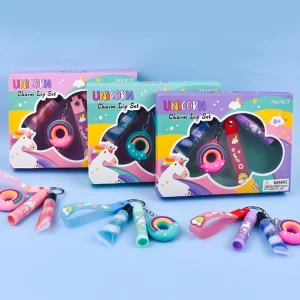
Age is one of the first factors to consider when evaluating kids makeup. Different age groups have different levels of skin sensitivity, motor skills, and understanding of product use. A product suitable for an older child may not be appropriate for a younger child.
For younger children, products should usually have simpler designs, fewer steps, and clear usage guidance. Adult supervision may also be needed, especially when products contain small accessories or require more detailed application.
For older children, the focus may shift toward learning basic cosmetic skills, hygiene habits, and responsible use. However, age labels should not be the only factor. Parents and caregivers should also consider the child’s behavior, skin condition, and the purpose of using the product.
Check Ingredients and Product Information
Ingredient transparency is an important part of product evaluation. A reliable kids makeup product should provide clear information about its ingredients, usage instructions, and safety details. This allows users to make informed decisions.
When reviewing ingredients, it is important to consider the product type and intended use. For example, products used around the eyes or lips require careful attention because these areas can be more sensitive.
Besides ingredients, product information should include basic details such as recommended age, storage instructions, warnings, and cleaning guidance. Clear information helps prevent misuse and supports safer product experiences.
Evaluate Safety Testing and Compliance
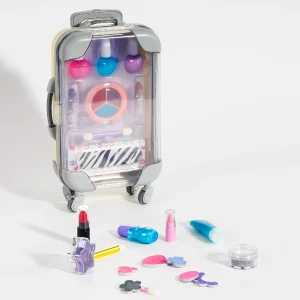
Safety testing helps confirm that a product meets established requirements before reaching users. For kids makeup, evaluation may involve both cosmetic safety and, in some cases, toy safety considerations depending on the product design.
A professional manufacturing process normally includes quality checks during raw material selection, production, and final inspection. These steps help identify potential issues and maintain consistent product quality.
For brands and buyers, reviewing compliance documents and testing reports is an important step when selecting a manufacturing partner or product supplier. Safety should be verified through proper procedures rather than assumptions based on appearance.
Why Safety Standards Matter
Safety standards provide a structured way to evaluate whether products meet specific requirements. They help control risks related to ingredients, materials, manufacturing processes, and product use.
For children’s products, safety standards are especially important because children may use products differently from adults. They may apply too much product, touch their face frequently, or combine products during play.
Following recognized safety requirements also creates clearer expectations for manufacturers, retailers, and consumers. It supports better product development and helps ensure that kids makeup is designed with responsible use in mind.
Common Safety Areas to Review
When evaluating kids makeup, several safety areas should be reviewed:
- Ingredient safety: Check whether formulas use suitable cosmetic ingredients and follow relevant restrictions.
- Microbiological safety: Ensure products are produced and stored under proper hygiene controls.
- Heavy metal limits: Verify that pigments and materials meet applicable safety requirements.
- Packaging safety: Consider whether packaging is suitable for children and free from unnecessary risks.
- Product instructions: Confirm that age guidance, warnings, and usage directions are clear.
These areas provide a practical checklist for evaluating kids makeup products. A product should not be judged only by its design or price. Instead, safety decisions should be based on measurable information, testing results, and appropriate product standards.
Choosing the Right Makeup Products for Different Age Groups
Children of different ages have different needs, skills, and levels of understanding when using makeup products. Therefore, the same product may not be suitable for every child. Age, product purpose, and supervision level should all be considered before making a choice.
A practical approach is to match the product design with the child’s development stage. Younger children usually need simpler and more play-focused products, while older children may begin learning basic cosmetic skills and personal care habits.
Makeup Considerations for Younger Children (Ages 3–6)
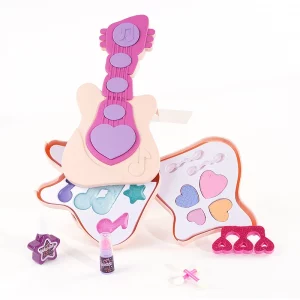
For children aged 3–6, makeup is usually part of pretend play rather than a daily beauty routine. At this stage, the main goal is creative expression, role play, and exploration. Products should be simple to understand and easy to use.
Because younger children may have limited control during application, product design should consider safety and convenience. Features such as easy application methods, clear instructions, and simple packaging can help create a more suitable experience.
Adult supervision is also an important factor for this age group. Children may accidentally touch their eyes, mouth, or skin after using makeup. Caregivers should guide proper use, keep products clean, and ensure makeup is removed after activities.
Makeup Considerations for Children Ages 6–12
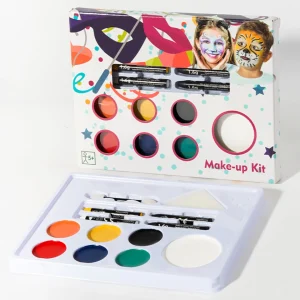
Children between 6 and 12 years old often have stronger hand coordination and a better understanding of product use. At this stage, makeup may become part of creative activities, performances, holidays, or learning experiences.
Products for this age group can include more colors and functions, but they should still focus on age-appropriate design. The purpose is not to create complex adult makeup routines, but to allow children to explore creativity in a controlled way.
This age range is also a good time to introduce basic hygiene habits. Children can learn simple practices, such as not sharing makeup tools, keeping products closed after use, and cleaning their hands before application.
Makeup Considerations for Tweens and Early Teens
Tweens and early teens may start showing more interest in cosmetics as part of personal expression and social activities. At this stage, makeup use can become an opportunity to learn about product selection, skincare, and responsible cosmetic habits.
Products designed for this group may include more realistic cosmetic features. However, safety and skin compatibility should still remain important considerations. A product that performs well should also provide clear usage guidance and encourage healthy routines.
It is also important to teach young users that makeup is a creative tool rather than a requirement for appearance. Learning how to use cosmetics responsibly, remove products properly, and understand personal skin needs are valuable skills during this stage.
For product developers, creating makeup for tweens requires a balance between attractive design and responsible education. The product should support creativity while maintaining appropriate safety and quality standards.
How to Build Healthy Makeup Habits for Children
Healthy makeup habits start with understanding the purpose of using cosmetics. For children, makeup should mainly be a tool for creativity, play, and learning rather than a way to meet beauty expectations. Clear guidance helps children develop a safer and more balanced relationship with cosmetic products.
Parents, educators, and caregivers play an important role in teaching children how to use makeup responsibly. Simple rules about product use, hygiene, and skin care can help create safer experiences while allowing children to enjoy creative activities.
Teach Makeup as Creativity, Not Appearance Pressure
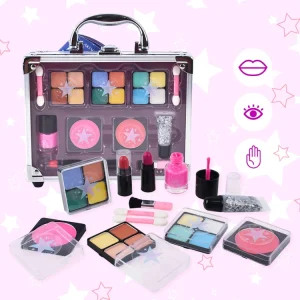
Children’s makeup activities are often connected with imagination and self-expression. For example, children may use makeup during role play, performances, art projects, or costume activities. In these situations, makeup works more like a creative material than an adult beauty product.
Therefore, adults should focus on the process rather than the final appearance. Encouraging children to explore colors, patterns, and designs can help them understand makeup as a form of creativity.
It is also important to avoid creating the idea that makeup is necessary to look better or gain approval. Teaching children that cosmetics are optional tools for expression can support healthier attitudes toward appearance and personal choices.
Establish Proper Usage Rules
Clear usage rules help children understand how to use makeup products safely. These rules should be simple, easy to remember, and suitable for the child’s age.
Basic guidelines may include washing hands before use, avoiding contact with eyes or broken skin, not sharing personal products, and following the product instructions. Younger children may need more direct supervision during makeup activities.
Storage is another important part of safe use. Makeup should be kept closed after use and stored in a clean, dry place. Regularly checking products for changes in smell, texture, or appearance can also help maintain better hygiene.
Teach Basic Skin Care After Makeup Use
Removing makeup properly is an important habit for children who use cosmetic products. Even products designed for temporary use should not be left on the skin longer than recommended.
Children should learn simple cleaning steps based on the product type. For example, washable products should be removed according to the instructions, while tools such as brushes or applicators should be cleaned regularly when reusable.
Skin observation is also useful. If a child experiences discomfort, redness, itching, or other unusual reactions, makeup use should stop and the skin should be cleaned. Developing these basic habits helps children understand the connection between cosmetic use and skin health.
Common Mistakes When Selecting Kids Makeup
Selecting kids makeup requires more than choosing attractive colors or fun packaging. Many mistakes happen because people focus on the visual design and overlook factors such as product purpose, ingredient information, safety requirements, and manufacturing quality.
Choosing Products Based Only on Appearance
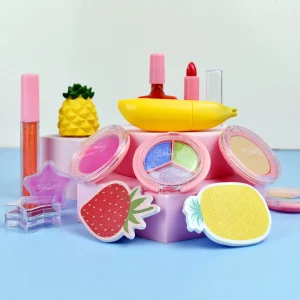
Bright colors, creative packaging, and popular designs can attract children’s attention. However, appearance alone does not provide enough information about product safety or suitability. A visually appealing product may still require careful evaluation before use.
Important details, such as ingredient lists, age recommendations, usage instructions, and safety information, should be reviewed first. These factors provide a clearer understanding of whether the product is suitable for a specific child or activity.
For product buyers and developers, design is only one part of the process. A successful kids makeup product needs a balance between attractive appearance, practical function, and responsible safety considerations.
Using Adult Cosmetics Instead of Kids-Specific Products
Adult cosmetics and kids makeup products are developed for different purposes. Adult makeup often focuses on long-lasting performance, stronger color effects, coverage, or specific beauty results. These features may not match the needs of children.
Children’s products are usually designed around different usage situations, such as creative play, short-term activities, or beginner experiences. Therefore, choosing products specifically designed for children can provide clearer guidance on age suitability and intended use.
This does not mean every adult cosmetic product is automatically unsuitable for older children. However, product selection should consider factors such as age, skin condition, usage frequency, and supervision rather than simply using available adult products.
Ignoring Product Quality and Manufacturing Standards
Product quality is an important factor that is sometimes overlooked. A kids makeup product involves more than the formula itself. Packaging materials, production processes, quality checks, and storage conditions can all affect the final product.
Reliable manufacturing practices help ensure consistency between batches and support better product control. Important considerations may include raw material management, production hygiene, testing procedures, and compliance with relevant safety requirements.
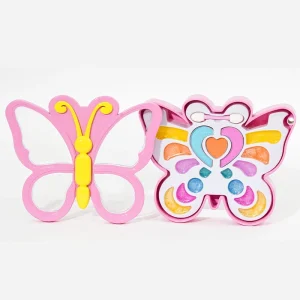
A Practical Checklist for Parents, Educators, and Buyers
Choosing or developing kids makeup requires a structured evaluation process. Instead of focusing only on product design or price, it is better to review safety, usage, and quality factors step by step. A clear checklist can make decision-making easier for different users.
For parents and educators, the checklist helps identify suitable products for children. For buyers and brands, it provides a practical framework for evaluating product requirements, manufacturing processes, and market expectations.
Safety Checklist Before Purchase
Before purchasing kids makeup, the first step is to check whether the product matches the child’s age and intended use. A product designed for creative play may have different requirements from one designed for more realistic cosmetic practice.
A basic safety checklist may include:
- Is the recommended age clearly stated?
- Are ingredients and product information available?
- Does the product follow relevant safety requirements?
- Are usage instructions and warnings provided?
- Is the packaging suitable for children?
It is also important to consider the child’s individual situation. For example, children with sensitive skin may need extra attention when selecting cosmetic products. Parents and caregivers should review product information carefully instead of choosing only based on appearance or popularity.
For buyers and retailers, additional checks may be needed, such as reviewing testing documents, supplier qualifications, and quality control procedures. These steps help confirm that the product meets expected standards before entering the market.
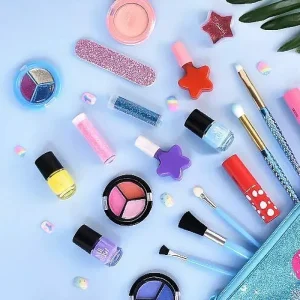
Usage Checklist During Play or Application
Safe use does not depend only on product quality. How children use makeup also affects the overall experience. Proper guidance and hygiene habits are important parts of responsible makeup use.
During play or application, consider the following:
- Wash hands before using makeup.
- Avoid applying products near eyes or damaged skin.
- Do not share personal makeup tools.
- Follow the product instructions.
- Remove makeup after use when recommended.
- Store products properly after activities.
Younger children may need more supervision because they may not fully understand product limitations. Adults can help by explaining simple rules and showing children how to use products correctly.
These habits are not complicated, but they help children learn responsible cosmetic use from an early age.
Product Development Checklist for Kids Makeup Brands
For kids makeup brands, product development requires a combination of cosmetic knowledge, safety awareness, and market understanding. A successful product should be designed around the target user, not only around visual trends.
A practical development checklist includes:
- Define the target age group and product purpose.
- Select suitable cosmetic formulas and materials.
- Evaluate packaging safety and usability.
- Complete required safety testing and compliance checks.
- Provide clear instructions and age guidance.
- Establish consistent quality control during production.
Manufacturing experience is also an important consideration. A qualified OEM/ODM partner should understand both cosmetic production and children’s product requirements. This includes managing raw materials, production processes, testing procedures, and delivery timelines.

For example, Guangdong AKIA Cosmetic Co., Ltd. combines more than 40 years of cosmetic manufacturing experience with a 40,000㎡ production facility in Foshan, China. With flexible MOQ options and efficient production capabilities, the company supports different business sizes, from startups to established brands, in developing kids makeup products according to specific market requirements.
Final Thoughts
Navigating kids makeup requires a balanced approach based on safety, age suitability, ingredient awareness, and responsible use. The goal is not to follow adult beauty standards, but to support creativity and learning through age-appropriate products.