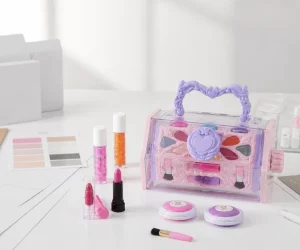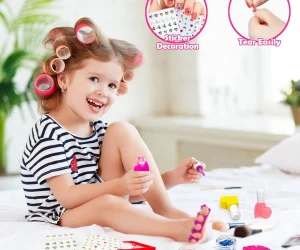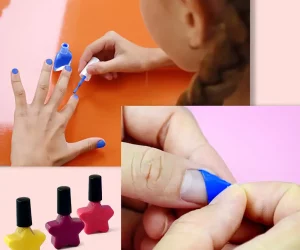
Kids nail polish is formulated with young users in mind. Unlike adult versions, it focuses on safety, milder chemical profiles, and easier removal.
What Makes Kids’ Nail Polish Different from Adult Versions
Kids nail polish avoids harsh chemicals found in adult formulas, like strong solvents or formaldehyde. These safer alternatives reduce the risk of irritation or accidental ingestion.
The texture is also different. Kids nail polish is thinner and dries faster, making it easier for little hands to apply evenly. Its forgiving consistency helps prevent clumps and smudges while still giving a colorful finish.
Key Ingredients to Watch For
When selecting kids nail polish, it’s important to be aware of potential irritants. Avoid polishes with formaldehyde, toluene, or phthalates. These chemicals can be harmful even in small amounts.
Water-based polymers and natural pigments are safer choices. They allow the polish to adhere well and provide vibrant color without harsh chemicals. Choosing formulas without heavy metals or strong scents helps protect sensitive skin and reduces the risk of allergic reactions.
How Formulations Affect Safety and Durability
The balance of ingredients determines both safety and performance. Kids nail polish often uses mild film-formers to help color last while keeping it easy to remove.
Peel-off or water-based finishes are common, allowing simple removal without acetone. Fast-drying formulas reduce smudging, making application safer and more practical for young children. The right formulation can keep nails colorful and playful while maintaining a high safety standard.
Safety Considerations in Kids’ Nail Polish
Safety is the most important factor when choosing nail polish for children. Kids’ nail polish is designed to minimize exposure to harmful chemicals, reduce allergic reactions, and comply with regulations.
Toxic-Free and Non-Toxic Standards
Kids nail polish is formulated to be free from toxic chemicals commonly found in adult products, such as formaldehyde, toluene, and phthalates. These substances can irritate skin, eyes, or respiratory systems. Non-toxic polishes replace them with milder solvents and safer polymers, making them suitable for young children.
Manufacturers often highlight “toxic-free” or “non-toxic” on labels, signaling that the polish meets safety expectations. While no polish is completely risk-free, these formulations drastically reduce chemical exposure, creating a safer environment for creative play.
Hypoallergenic Properties for Sensitive Skin
Some children have sensitive skin or allergies that make standard nail polish unsuitable. Hypoallergenic kids nail polish uses gentle pigments and avoids common irritants, reducing the chance of redness, itching, or rashes.
Parents should test a small area first and monitor for reactions. Polishes that combine hypoallergenic pigments with water-based or peel-off formulations tend to be the most comfortable, allowing children to enjoy nail art safely without triggering skin issues.
Regulations and Certifications Relevant to Children
Kids nail polish is subject to stricter safety standards than adult versions in many countries. Regulatory bodies set limits on toxic ingredients and require accurate labeling. Certifications or seals on packaging can indicate compliance with safety guidelines.
These certifications ensure the polish is suitable for children’s skin, reduces exposure to harmful chemicals, and meets hygiene standards. Checking for approved labels helps parents select reliable products while maintaining fun and creative nail experiences.
Types of Nail Polish Suitable for Kids
Kids nail polish comes in various formulas designed for safety, ease of use, and fun. Understanding the differences between water-based, peel-off, and breathable polishes helps parents choose the best option for their child’s age, skill level, and nail health.
Water-Based Nail Polishes
Water-based kids nail polish is one of the safest options. It uses water instead of strong solvents, which reduces the risk of chemical exposure and irritation. These polishes are often low-odor and easy to clean, making them ideal for younger children.
The finish is generally smooth and vibrant, though slightly less glossy than traditional formulas. Because they dry quickly, water-based polishes minimize smudging, making them practical for home or classroom nail activities.
Peel-Off and Easy-Removal Formulas
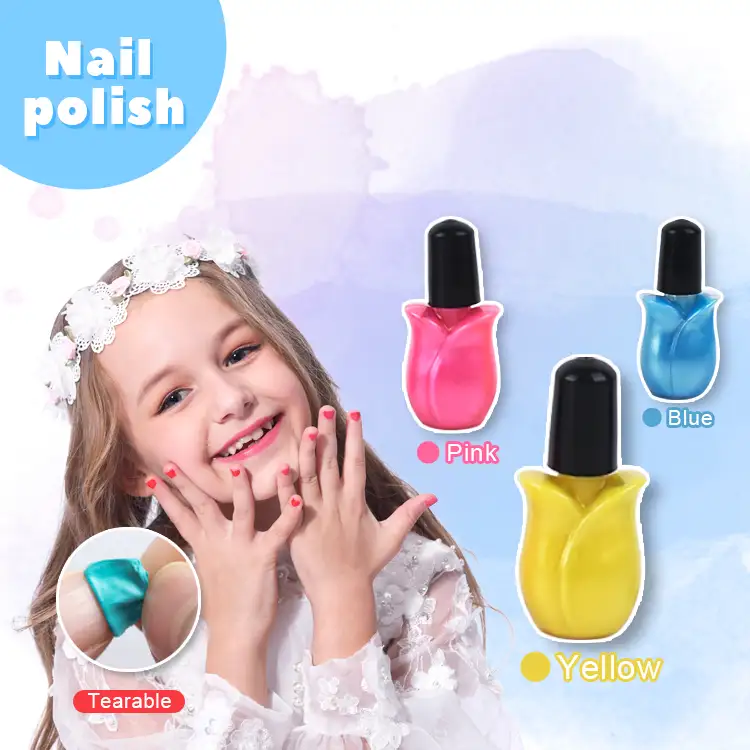
Peel-off or easy-removal polishes are designed for convenience and safety. Instead of using acetone or harsh removers, the polish can be gently lifted from the nail surface. This reduces chemical exposure and prevents damage to young nails.
These formulas are popular for temporary designs or short-term fun. They also encourage kids to experiment with color and patterns without worrying about long-term commitment or cleanup difficulties.
Breathable and Natural Ingredient Options
Some kids nail polishes incorporate breathable or naturally derived ingredients. These allow air and moisture to pass through, supporting nail health while still providing color.
Formulas may include plant-based polymers and pigments, reducing synthetic chemical content. Breathable options are particularly useful for children with sensitive nails or frequent polish use, offering a balance between fun, color, and overall nail care.
Color and Fun Factor
Kids nail polish isn’t just about safety—it’s also about fun and creativity. Color choice, glitter, and special effects can enhance the play experience, letting children express themselves while exploring patterns and textures.
Popular Colors and Trends Among Kids
Bright, playful colors like pink, purple, blue, and neon shades are commonly favored by children. Pastels and soft tones are also popular, especially for younger kids or themed events. Seasonal trends, such as holiday-inspired reds and greens, often influence choices.
Color preference can reflect personality or mood. Kids may switch shades frequently, exploring new combinations and learning how to coordinate colors with outfits or activities. Vibrant, non-toxic pigments keep the nails visually appealing without compromising safety.
Glitter, Sparkle, and Special Effects Options
Glitter and shimmer are major attractions in kids nail polish. Sparkling finishes, holographic effects, and subtle metallic tones make nails stand out and add a playful dimension.
Special effects formulas, like color-changing or glow-in-the-dark polishes, can enhance imaginative play. These finishes are usually layered over a safe, non-toxic base, allowing children to enjoy visual effects while parents maintain peace of mind regarding safety.
How Color Psychology Plays a Role
Colors can influence emotions and creativity. Bright shades like yellow or orange may stimulate energy and excitement, while cool tones like blue or lavender promote calm and focus.
Using kids nail polish as a form of self-expression lets children explore color preferences and emotional connections. Even simple choices, such as selecting a favorite hue for a party or school event, can support confidence and creative thinking while reinforcing the fun aspect of nail art.
Application Techniques for Kids’ Nail Polish
Applying kids nail polish properly helps achieve a neat, colorful finish while keeping nails healthy. Simple techniques and preparation can make the experience enjoyable for both children and caregivers.
Proper Nail Prep for Children
Before applying nail polish, nails should be clean and dry. Remove any dirt or old polish gently using non-toxic removers or water-based wipes. Trim nails to a comfortable length and lightly buff the surface to ensure smooth application.
Moisturizing the cuticles with a small amount of lotion or oil can prevent dryness, but avoid excess on the nail plate, as it may interfere with polish adhesion. Proper prep sets the foundation for even, long-lasting results.
Step-by-Step Application Process
Start with a thin base coat if available, which helps the color stick and protects nails. Apply kids nail polish in thin layers, letting each coat dry fully before adding another. Usually, two to three coats provide good coverage.
Use steady, short strokes from the nail base to the tip. For younger children, let them hold the brush themselves for small sections to encourage participation and fine motor skills. Finish with a quick-dry top coat or peel-off option for added durability.
Tips to Minimize Smudging and Mess
To prevent smudging, work in a well-lit, comfortable area and keep nail polish open only as needed. Encourage children to rest their hands between coats and avoid touching objects until the polish dries.
Using small brush strokes and wiping excess polish from the brush before application reduces drips. For extra control, parents can guide the child’s hand or use protective pads around the nails. These simple steps make the process cleaner, faster, and more enjoyable.
Removal and Maintenance
Proper removal and nail care are essential to keep kids’ nails healthy while enjoying polish. Safe techniques and regular maintenance help prevent damage, sensitivity, and irritation.
Safe Nail Polish Removal Methods for Kids
Use gentle, non-toxic removers or water-based wipes to remove kids nail polish. Avoid acetone or harsh solvents, which can dry out nails and irritate skin. For peel-off formulas, simply lift the polish from the nail edge without scraping.
Encourage children to sit still during removal and to wash hands afterward. This prevents accidental rubbing of polish into eyes or mouth and ensures the process is safe and comfortable.
Avoiding Nail Damage and Sensitivity
Repeated polish use can sometimes weaken nails if not managed carefully. Keep nails trimmed and avoid aggressive buffing. Limiting polish wear to a few days at a time allows nails to breathe and reduces the risk of splitting or peeling.
Applying a protective base coat, especially for colored or glitter polishes, creates a barrier that preserves nail strength. Moisturizing cuticles regularly also supports overall nail health and comfort.
Tips for Healthy Nail Care Between Applications
Between polish applications, encourage children to keep nails clean and dry. Occasional breaks from polish let nails regenerate naturally and prevent staining.
Simple habits, such as gentle hand washing, using mild soaps, and moisturizing, maintain flexibility and strength. These steps, combined with safe polish application, ensure that nail art remains a fun, healthy activity for children over time.
Encouraging Creativity Through Nail Polish
Kids nail polish can be more than just color—it’s a tool for creativity and self-expression. Encouraging children to experiment with designs, patterns, and combinations helps develop artistic skills while keeping safety in mind.
Nail Art Ideas for Children
Simple designs like polka dots, stripes, or smiley faces are perfect for beginners. Stickers, stamps, or peel-off decals can add flair without complicated techniques. Older children may enjoy layering glitter or combining multiple colors for fun effects.
Parents can guide younger kids by demonstrating techniques and letting them practice on a spare nail wheel or plastic nail tips. This approach builds confidence while keeping the process safe and enjoyable.
Learning Colors, Patterns, and Coordination
Using kids nail polish provides opportunities to explore color theory, patterns, and hand-eye coordination. Choosing complementary or contrasting colors helps children understand visual relationships, while painting small areas enhances fine motor skills.
Mixing textures, like combining matte and shimmer finishes, encourages experimentation. Even basic color-matching exercises can improve attention to detail and stimulate creativity in a playful context.
Balancing Fun with Safety
While artistic expression is important, safety remains the priority. Always use non-toxic, hypoallergenic polishes and supervise younger children during application. Encourage handwashing after nail play and proper removal techniques.
Combining creativity with safe habits ensures that children enjoy nail art without risk. It turns nail polish into a fun, educational activity, helping kids explore imagination, color, and coordination responsibly.
Common Misconceptions About Kids’ Nail Polish
Many parents have questions or concerns about kids nail polish. Understanding common misconceptions can help caregivers make informed choices, ensuring children enjoy colorful nails safely.
“All Nail Polishes Are Harmful to Kids”
Not all nail polishes pose risks to children. Kids nail polish is formulated to avoid toxic chemicals found in adult versions, such as formaldehyde, toluene, or phthalates.
Using non-toxic, water-based, or peel-off options significantly reduces exposure to harmful substances. When applied properly and in moderation, these polishes are generally safe for supervised creative play.
“Quick-Dry Always Means Safe”
Quick-dry formulas can be convenient but aren’t inherently safer. Some quick-dry polishes may still contain harsh solvents or irritants.
Safety depends on ingredient composition rather than drying speed. Parents should check for non-toxic labels and hypoallergenic properties rather than assuming all fast-drying products are child-friendly.
Understanding Misleading Labels and Marketing Claims
Terms like “natural” or “safe” on packaging can be vague or misleading. Some products may highlight one safe ingredient while still including chemicals parents want to avoid.
Reading the ingredient list carefully and verifying certifications is the most reliable way to ensure safety. Understanding marketing language helps parents select genuinely safe kids nail polish without falling for assumptions or hype.
Environmental and Practical Considerations
Choosing kids nail polish isn’t just about safety and fun—it also involves practical and environmental factors. Eco-friendly formulations, cost, and portability can influence both daily use and long-term habits.
Eco-Friendly Formulations and Packaging
Some kids nail polishes use water-based or naturally derived ingredients, which reduce chemical waste and environmental impact. Packaging made from recyclable or biodegradable materials also helps minimize ecological footprint.
Parents can choose brands that emphasize sustainability without compromising safety. Even small decisions, like selecting refillable bottles or polishes with minimal packaging, support environmentally responsible choices.
Cost and Accessibility
Kids nail polish varies widely in price. Water-based or peel-off formulas tend to be more affordable than premium adult-style products while still providing safe and vibrant color.
Accessibility matters too—polishes available in local stores or easy-to-order online make regular nail play easier for families. Balancing cost with quality ensures that children can enjoy creative activities safely.
Travel-Friendly and Kid-Proof Options
For on-the-go fun, compact and spill-resistant bottles are ideal. Small brushes, twist-top caps, and non-leaking containers prevent messes during travel.
Peel-off or water-based polishes are especially convenient for trips, as they dry quickly and remove easily without needing acetone or cotton pads. These practical considerations make nail polish both fun and manageable for children outside the home.
Expert Advice on Choosing the Best Nail Polish for Kids
Selecting the best kids nail polish involves balancing safety, creativity, and practicality. Expert guidance can help parents make informed decisions while ensuring that children enjoy colorful, fun nails without unnecessary risk.
Factors Parents Should Prioritize
Parents should focus on non-toxic ingredients, hypoallergenic formulations, and ease of application. Checking labels for water-based, peel-off, or quick-dry features ensures safety and convenience.
Durability, finish, and ease of removal are also important, as these factors affect both the child’s experience and nail health. Prioritizing these elements helps maintain a safe and enjoyable nail play routine.
Tips from Pediatric Dermatologists
Dermatologists recommend patch-testing new polishes on a small area to detect potential reactions. They advise limiting polish wear to a few days at a time and giving nails breaks between applications to prevent weakening.
Moisturizing cuticles and avoiding harsh removers supports healthy nail growth. Experts also suggest supervising younger children during application to reduce accidental ingestion or skin contact with chemicals.
Incorporating Fun Without Compromising Safety
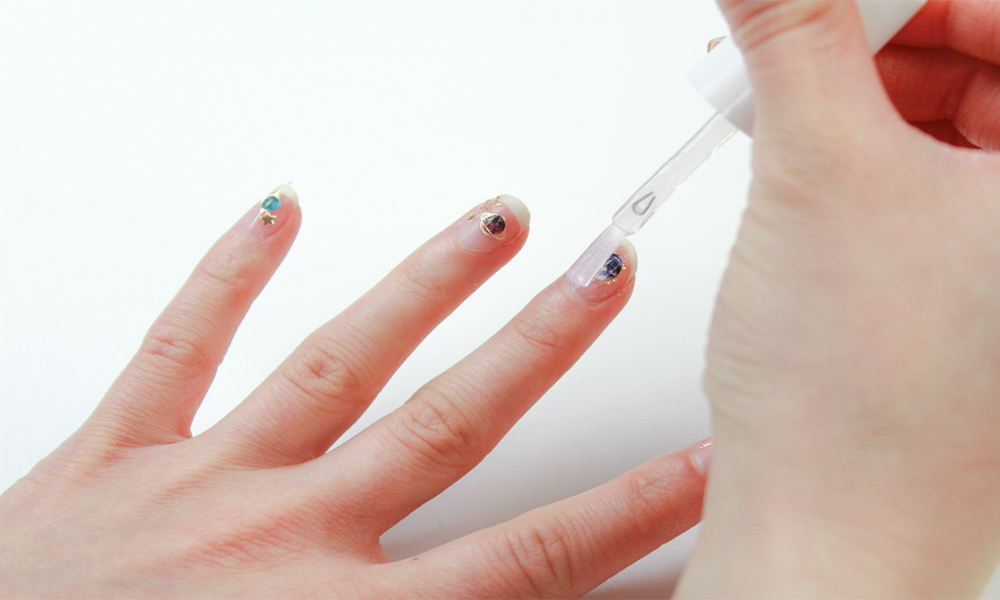
Creative nail art can be safe with the right approach. Stickers, water-based colors, and glitter polishes designed for children allow expression while minimizing risk.
Encouraging experimentation with colors, patterns, and textures helps children develop coordination and confidence. By combining fun with careful product selection and proper application, parents can provide a safe, engaging, and enjoyable nail polish experience.
Conclusion
Choosing the best nail polish for kids combines safety, creativity, and practicality. Non-toxic, hypoallergenic formulas, along with water-based or peel-off options, protect nails while allowing fun. With proper application, removal, and supervision, children can safely enjoy colorful, imaginative nail art.