The best lipstick for 10-year-olds is not a traditional adult lipstick. Instead, children’s lip products with gentle formulas, simple ingredients, light textures, and safe usage guidelines are usually more suitable.
When choosing a lipstick for children, parents and buyers should check key factors such as ingredient safety, regulatory compliance, texture, color intensity, and intended use. Children’s cosmetics are designed with different standards from adult cosmetics, so age suitability is an important part of product selection.
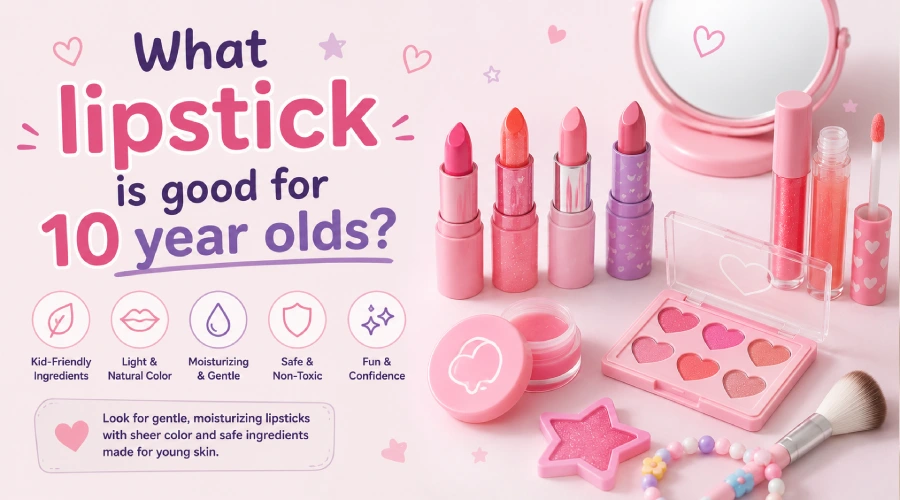
What Is the Best Type of Lipstick for a 10-Year-Old?
For a 10-year-old, the most suitable lip products are usually lightweight, gentle, and designed for younger users. The main purpose is often adding a small amount of color or moisture, not creating a full makeup look. Therefore, simple formulas and comfortable textures are generally better choices than adult-style lipsticks.
The ideal choice is a gentle lip product, not a full-coverage adult lipstick
Children’s lip products should match their age, skin needs, and usage purpose. Unlike adult lipstick, which often focuses on strong color payoff and long wear, children’s lip products usually focus on mild color, easy application, and comfortable wear.
When selecting a product, consider whether the formula is simple, the texture feels light, and the color effect is natural. These factors help make the product more suitable for children’s cosmetic use.
Lip balm, tinted lip balm, and lightweight lip color options
Among these options, tinted lip balm and lightweight lip color are often considered more suitable for 10-year-olds because they provide a small amount of color without the heavy feel of traditional lipstick.
The right choice depends on the product design, ingredients, and how the child plans to use it. A product made for children should balance appearance, comfort, and safety.
Why highly pigmented matte lipsticks are usually not the first choice
Highly pigmented matte lipsticks are mainly designed for adult makeup needs. They often provide strong color coverage and long-lasting effects, which may not match the needs of younger users.
In addition, matte formulas usually contain more film-forming ingredients to create a long-wear finish. These textures can feel dry or heavy, especially for children who are looking for simple and comfortable cosmetic products.
For 10-year-olds, a lighter texture and softer color effect are generally more appropriate. The focus should be on age-appropriate expression and safe cosmetic habits rather than strong makeup coverage.
How to Judge If a Lipstick Is Safe for Children?
Safety is one of the most important factors when selecting lipstick for children. A suitable product should have a clear ingredient list, follow cosmetic safety requirements, and be designed for the intended age group. Checking the formula before use can help parents and buyers make better decisions.
Check the ingredient list before choosing a lip product
The ingredient list provides basic information about how a lip product is made. For children’s cosmetics, a simple and easy-to-understand formula is often easier to evaluate. Buyers should pay attention to the function of each ingredient and avoid products with unclear or unnecessary components.
When reviewing a children’s lipstick formula, consider the following points:
- Check if the product has a complete ingredient list.
- Choose formulas designed specifically for children’s cosmetic use.
- Avoid products with ingredients that may cause discomfort based on individual sensitivities.
- Consider products that meet the cosmetic regulations of the target market.
Look for gentle moisturizing ingredients
Children’s lips can be more sensitive, so moisturizing ingredients are often an important part of lip product design. These ingredients help improve texture and provide a more comfortable feel during use.
Common types of moisturizing ingredients include:
- Plant-based oils, which help soften the lip surface.
- Waxes, which help create a protective texture.
- Humectants, which help maintain moisture.
However, the presence of a certain ingredient does not automatically mean a product is suitable. The full formula, ingredient quality, and safety testing should always be considered together.
Avoid products with unnecessary complexity
A simple formula can make product evaluation easier. Children’s lip products usually do not need many active ingredients or advanced makeup functions.
Products with too many unnecessary ingredients, strong fragrances, or complex effects may increase the difficulty of assessing suitability. For children’s cosmetics, the priority should be safety, comfort, and age-appropriate design rather than adding extra features.
Consider cosmetic safety standards and testing requirements
Children’s cosmetics require careful safety evaluation because they are used by younger consumers. A suitable product should not only have a well-designed formula but also follow relevant cosmetic safety requirements in the target market.
Manufacturers need to consider factors such as ingredient safety, product stability, packaging safety, and quality control during production. These steps help ensure that the product remains safe and consistent throughout its shelf life.
Why children’s cosmetics require stricter quality control
Children’s cosmetic products are different from adult cosmetics because children may have more sensitive skin and different usage habits. For example, they may apply products more often, use larger amounts, or accidentally touch their lips and face after application.
Therefore, children’s cosmetics usually require more careful quality checks, including:
- Ingredient review and safety assessment.
- Microbiological testing to check product cleanliness.
- Stability testing to confirm product performance over time.
- Production quality control to reduce contamination risks.
A professional manufacturing process helps ensure that every batch meets the required quality standards before reaching the market.
The importance of compliance with regional regulations
Cosmetic regulations can vary by region. Brands selling children’s lip products need to understand the requirements of their target markets, such as the United States, European Union, or other regions.
For example, companies may need to follow rules related to restricted ingredients, product labeling, safety assessments, and responsible manufacturing practices. Compliance helps brands create products that meet legal requirements and build trust with retailers and customers.
For children’s cosmetics, regulatory compliance is not only a legal requirement but also an important part of responsible product development.
What Ingredients Should Parents Look for in Children’s Lipstick?
When choosing lipstick for a 10-year-old, the formula should focus on comfort, safety, and age suitability. Unlike adult lip products that may focus on long wear or strong color, children’s lipsticks usually need simple formulas with ingredients that support a comfortable feel.
Parents and buyers should look at the overall formula instead of focusing on one single ingredient. Ingredient purpose, product quality, and safety testing all play a role in evaluating whether a lip product is suitable for children.
Moisturizing ingredients that support comfortable use
Children’s lip products are often designed to provide a soft and comfortable texture. Moisturizing ingredients help improve the feel of the product and reduce the dry feeling that some color products may cause.
A good children’s lip formula usually balances color, texture, and moisture. It should feel lightweight and easy to apply without creating a heavy coating on the lips.
Ingredients that help reduce dryness
Common moisturizing ingredient types used in lip products include:
- Oils, such as plant-based oils, which help soften the lip surface.
- Waxes, which help create a smooth texture and support product structure.
- Humectants, which help attract and maintain moisture.
The exact ingredients used can vary between products. A safe choice depends on the complete formula, manufacturing quality, and whether the product meets cosmetic safety standards.
Color ingredients and their importance
Color ingredients give lipstick its visual effect. For children’s cosmetics, the goal is usually a soft and natural appearance rather than strong coverage.
Color selection should also consider the purpose of use. Products designed for play, creative activities, or special occasions may use different color levels compared with adult makeup products.
Why color intensity matters for children’s makeup
Highly pigmented lipsticks create a stronger makeup effect, but they may not always match the needs of younger users. Children’s lip products are often designed with lighter shades and softer finishes.
A lower color intensity can make the product easier to apply and remove. It also supports a more age-appropriate makeup experience, where the focus is creativity and self-expression rather than an adult beauty look.
What Lipstick Colors Are Appropriate for 10-Year-Olds?
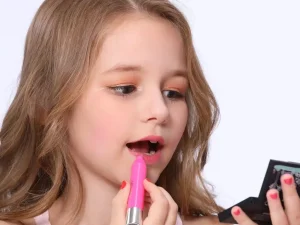
For 10-year-olds, suitable lipstick colors are usually soft, natural, and easy to wear. Children’s cosmetics are generally designed for creativity, play, and age-appropriate expression rather than creating a mature makeup appearance. Therefore, color choice should focus on comfort and suitability.
When selecting a lip color, parents and buyers should consider the child’s age, the purpose of use, and the overall product design. Lighter shades and simple finishes are often easier to match with children’s cosmetic needs.
Natural and playful shades are usually more age-appropriate
Natural and playful colors are commonly used in children’s lip products because they provide a gentle visual effect. These shades can add a small amount of color while keeping the overall look simple and suitable for younger users.
Compared with strong adult makeup colors, softer shades are usually easier for children to use during activities such as role play, performances, or creative makeup experiences.
Examples of suitable color styles
Common age-appropriate color styles include:
- Soft pink tones: create a natural and fresh appearance.
- Light peach shades: provide a warm and gentle color effect.
- Sheer gloss finishes: add shine without heavy color coverage.
- Transparent or lightly tinted formulas: provide a subtle makeup experience.
The best color choice depends on the product purpose. For children’s cosmetics, the formula and color design should work together to create a balanced experience.
Why dramatic adult makeup styles may not match children’s cosmetic needs
Dark, bold, or highly dramatic lipstick shades are usually created for adult makeup purposes. These products often focus on strong color impact, long wear, and a more defined makeup style.
For younger users, these effects may not match their cosmetic needs. Children’s makeup products are generally better focused on creativity, learning, and simple expression rather than copying adult beauty trends.
An age-appropriate lipstick should support safe and comfortable use while allowing children to explore colors in a suitable way.
How Should a 10-Year-Old Use Lipstick Safely?
Using lipstick safely is not only about choosing the right product but also about building good cosmetic habits. For children, makeup is often related to play, creativity, or special activities. Proper use can help reduce hygiene risks and improve the overall experience.
Parents and caregivers should guide children on when and how to use lip products. Simple rules, such as keeping products clean and avoiding sharing, are important parts of safe cosmetic use.
Teach proper cosmetic habits from the beginning
Good cosmetic habits should be introduced when children start using makeup products. Children should learn that cosmetics are personal items and need proper care.
Basic safety habits include:
- Wash hands before applying lip products.
- Do not share lipstick with other people.
- Avoid using products that have changed in smell, texture, or appearance.
- Keep the product closed when not in use.
- Use only a small amount when applying.
Parents can also check the product regularly and replace it when necessary. These simple steps help children develop responsible cosmetic habits.
Understand the difference between play makeup and daily cosmetics
Children’s makeup is often used for different purposes, such as role play, creative activities, performances, or special events. These uses are different from adult daily makeup routines.
Play makeup usually focuses on creativity and fun, while daily cosmetics require more attention to regular skin contact and personal care. Understanding this difference helps parents choose products that match the child’s actual needs.
A suitable children’s lipstick should be selected based on age, usage purpose, and product safety. The goal is not to create a mature makeup look but to provide an appropriate and safe cosmetic experience.
How Are Children’s Lipsticks Different From Adult Lipsticks?
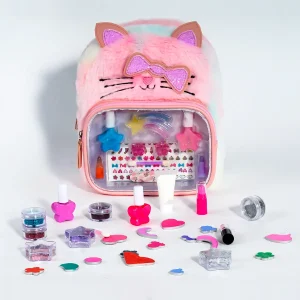
Children’s lipsticks and adult lipsticks may look similar, but they are designed for different users and purposes. Adult lip products often focus on strong color, long wear, and professional makeup effects. In contrast, children’s lip products usually focus on gentle use, simple functions, and age-appropriate design.
The differences can be seen in formula selection, texture, color performance, packaging, and overall product development.
Formula design differences
Children’s lipstick formulas are usually developed with younger users in mind. The design goal is often to create a comfortable product with a simple function, such as adding light color or improving lip appearance.
Adult lipsticks may include advanced effects, such as high coverage, long-lasting wear, or special finishes. These features are not always necessary for children’s cosmetic products, where comfort and suitability are more important.
- Texture is one of the main differences between children’s and adult lipsticks. Children’s lip products are often designed to feel lighter and easier to apply, while adult lipsticks may have stronger textures to achieve specific makeup effects.
- Coverage is another important factor. Many children’s lip products use sheer or light color effects instead of full coverage. This creates a softer appearance and is usually more suitable for younger users.
- Fragrance should also be considered. Strong scents may not be suitable for every child, so many children’s cosmetic products are designed with mild or limited fragrance options.
Packaging and product design differences
Packaging is another area where children’s lipsticks differ from adult products. Children’s cosmetic packaging often considers ease of use, appearance, and age-appropriate design.
The product should be easy to hold and use while maintaining proper safety and quality standards. Packaging materials and design details are important parts of product development.
Why child-friendly design matters
A child-friendly design helps create a safer and more suitable user experience. It considers factors such as product size, usability, labeling, and the child’s age group.
For cosmetic brands, developing children’s lip products requires more than changing colors or packaging styles. It involves understanding children’s needs, following safety requirements, and creating products that balance fun, function, and responsible design.
What Should Cosmetic Brands Consider When Developing Lipstick for Kids?
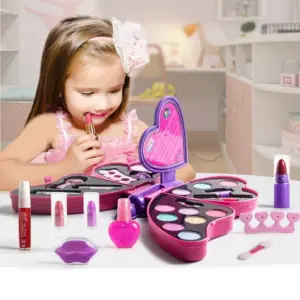
Developing lipstick for kids requires more than creating a smaller version of an adult product. Brands need to consider age suitability, formula safety, market requirements, and manufacturing quality. A successful children’s lipstick product should balance safe use, attractive design, and reliable production.
For brands entering the children’s cosmetics market, choosing the right product strategy and manufacturing partner can help reduce development risks and improve product consistency.
Product development starts with safety and target age positioning
The first step in developing children’s lipstick is defining the target age group and product purpose. A product designed for a 10-year-old should not follow the same design approach as adult makeup.
Brands need to consider how children will use the product, what level of color effect is appropriate, and which safety requirements apply in the target market. Clear positioning helps create products that meet both consumer expectations and regulatory needs.
Key factors for children’s lipstick development
A professional development process helps brands create products that are not only attractive but also suitable for children’s cosmetic use.
Manufacturing experience affects product consistency
Children’s cosmetics require stable production standards because product quality directly affects user safety and brand reputation. Experienced manufacturers can provide better support in areas such as formula development, quality control, testing coordination, and production management.
For brands, working with a reliable OEM/ODM partner can simplify the development process, especially when entering a new product category or expanding an existing product line.
Why OEM/ODM expertise matters for children’s cosmetics
An experienced OEM/ODM manufacturer can help brands transform product ideas into market-ready solutions. This includes support with formula selection, packaging options, customization, and production planning.

Guangdong AKIA Cosmetic Co., Ltd. has over 40 years of cosmetic manufacturing experience and operates a 40,000㎡ factory in Foshan, China. With low MOQ options, fast delivery capabilities, and OEM/ODM production services, AKIA supports both startups and established brands developing children’s cosmetic products.
For children’s lipstick projects, manufacturing expertise is important because consistent quality, efficient production, and compliance support are key parts of successful product development.
Final Thoughts
Choosing lipstick for a 10-year-old is not only about color or appearance. The most suitable products should focus on age-appropriate formulas, safe ingredients, comfortable textures, and proper usage. Children’s cosmetics should be designed differently from adult makeup products.
The key factors to remember
When selecting children’s lipstick, consider:
- Choose products designed specifically for children.
- Check ingredients, safety testing, and regulatory compliance.
- Prefer light textures and soft colors.
- Teach proper cosmetic hygiene and safe usage habits.
The right children’s lipstick should support creativity and self-expression while keeping safety as the first priority.
For brands developing children’s lipstick products
Creating children’s lipstick requires experience in formula development, safety evaluation, and quality manufacturing. Brands should work with manufacturers that understand children’s cosmetic requirements and can provide reliable OEM/ODM support.
Guangdong AKIA Cosmetic Co., Ltd. has over 40 years of cosmetic manufacturing experience, with a 40,000㎡ factory in Foshan, China. With low MOQ, fast delivery, and flexible customization services, AKIA supports startups and established brands in developing children’s cosmetic products.