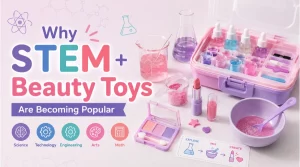
STEM + Beauty Toys are educational products that combine beauty-related activities with science learning. They use simple cosmetic concepts, such as color mixing, texture changes, and product design, to introduce children to basic ideas in chemistry, engineering, and creative problem-solving.
Unlike ordinary beauty-themed toys, STEM + Beauty Toys focus on the learning process behind beauty products. They help users understand how science and design work together when creating safe and functional cosmetic items.
The Meaning of STEM in Beauty Toy Products
STEM stands for Science, Technology, Engineering, and Mathematics. In beauty toy products, STEM elements are used to explain how beauty-related items are developed and tested. For example, children may learn how different ingredients create changes in color, texture, or form.
Science helps explain materials and reactions, while mathematics can be used for measuring and comparing amounts. Engineering ideas are involved in designing tools, containers, or simple production steps. Technology may support digital learning or interactive experiences.
How Beauty Concepts Are Integrated with STEM
Beauty products are created through many scientific steps. STEM + Beauty Toys introduce these steps in a simplified way. For example, mixing colors can demonstrate basic chemistry concepts, while creating different textures can show how materials behave.
The engineering part focuses on the design and function of tools. A mixing container, applicator, or packaging design can teach children how products are planned for use. Mathematics is also involved when measuring ingredients or comparing different formulas.
These activities do not aim to replace professional cosmetic education. Instead, they provide an early understanding of how science is connected to everyday beauty products.
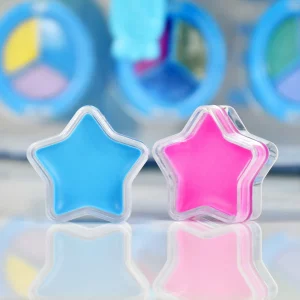
Differences Between Traditional Beauty Toys and STEM + Beauty Toys
Traditional beauty toys mainly focus on role play and creative expression. They allow children to explore beauty themes, such as applying colors or creating different looks, but they usually do not explain the science behind these activities.
STEM + Beauty Toys add an educational layer. They include simple explanations of materials, processes, and design principles. The focus is not only on the final result but also on understanding how and why changes happen.
For example, a traditional toy may provide ready-made colors for play, while a STEM-based toy may introduce color theory, measurement, or formulation concepts. This makes the learning process a key part of the experience.
The Growing Trend of Educational Beauty Play
Educational beauty play is becoming more common as toys continue to move beyond simple entertainment. Today, many learning-based toys combine creativity with basic science concepts. STEM + Beauty Toys represent this change by using beauty topics as a way to introduce scientific thinking, hands-on skills, and problem-solving activities.
This trend reflects a wider interest in products that allow children to learn while playing. Instead of only focusing on the final product or appearance, educational beauty play pays more attention to the process, including testing, designing, and understanding how things work.
The Shift from Entertainment-Focused Toys to Learning-Based Experiences
Traditional toys often focus on imagination and fun. They allow children to create stories, copy daily activities, or explore different roles. While these types of play are still valuable, many modern toys now include educational elements to create a deeper learning experience.
STEM-based toys add structured activities that involve observation, testing, and problem-solving. In beauty-related play, children may explore topics such as color combinations, material properties, or simple product design. The goal is to understand basic concepts through practical activities.
This shift does not mean entertainment is removed. Instead, learning and play are combined. A well-designed educational toy allows children to enjoy the activity while also understanding the science behind it.
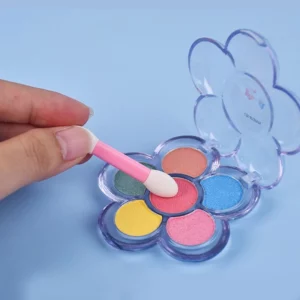
Why Parents and Educators Are Paying More Attention to STEM Learning
STEM education focuses on skills that are useful in many fields, including science, technology, and design. According to the National Science Foundation (NSF), STEM knowledge supports innovation and helps prepare learners for future careers that involve technical skills.
Parents and educators are paying more attention to STEM learning because it encourages children to ask questions and find solutions. Hands-on activities can make scientific ideas easier to understand compared with only reading or memorizing information.
Beauty-themed STEM activities provide another way to introduce these skills. Since beauty products are familiar in daily life, they can help connect scientific concepts with real-world examples.
How Beauty-Themed Activities Can Support Creative and Scientific Thinking
Beauty-related activities naturally include creative elements, such as choosing colors, designing shapes, and exploring different styles. When combined with STEM methods, these activities can also involve planning, testing, and analysis.
For example, children may compare how different materials behave or observe how small changes affect a result. These simple experiments encourage careful thinking instead of only focusing on appearance.
Creative thinking and scientific thinking are not separate skills. In many industries, including cosmetics, product development requires both design ideas and technical knowledge. STEM + Beauty Toys introduce this connection through age-appropriate learning activities.
Why Children Are Interested in STEM + Beauty Toys
STEM + Beauty Toys attract children because they combine creative activities with hands-on learning. Beauty topics often involve colors, shapes, and designs that are easy to understand and explore. When these elements are connected with simple science concepts, children can learn through direct experience.
The interest in these toys comes from the combination of imagination and discovery. Children are not only creating something visually interesting but also learning how different materials, processes, and designs work together.
Combining Creativity with Hands-On Experimentation
Creative activities allow children to express ideas through colors, patterns, and designs. However, STEM + Beauty Toys add another layer by encouraging children to test and observe results. This makes play more interactive and based on real processes.
For example, children may mix different colors, compare textures, or adjust measurements to see changes. These activities introduce basic experimental thinking, where they make a prediction, try a process, and observe the outcome.
Hands-on learning is often easier for children to understand because they can connect information with physical actions. Instead of only learning a concept from a book, they can see how small changes affect the result.
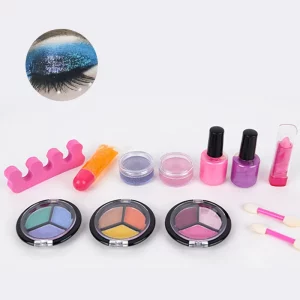
Encouraging Exploration Through Colors, Textures, and Formulation Concepts
Colors and textures are important parts of beauty products, and they also provide simple ways to explore science. Children can learn basic ideas about color mixing, material differences, and how ingredients affect product characteristics.
For example, changing the amount of a material may create a different texture or appearance. These activities introduce the idea that formulas are created through careful choices and testing.
The formulation concepts in STEM + Beauty Toys are simplified for children. They are not designed to teach professional cosmetic manufacturing, but they can help children understand that beauty products involve science and careful design.
Building Problem-Solving Skills Through Play
STEM + Beauty Toys often include challenges that require children to think and make decisions. They may need to choose materials, follow steps, or adjust their approach when the result is different from what they expected.
This type of play helps children practice problem-solving skills. They learn that mistakes can provide useful information and that solutions often require testing and improvement.
In real scientific and product development processes, researchers and designers also follow similar steps: identify a problem, test possible solutions, and improve the result. STEM + Beauty Toys introduce this basic thinking pattern in a simple and engaging way.
The Science Behind Beauty Toys
Beauty products are created through a combination of science, design, and careful testing. STEM + Beauty Toys introduce these ideas in a simplified way, helping children understand that beauty products are not only about appearance but also involve materials, measurements, and processes.
Through play, children can explore basic cosmetic science concepts, such as how ingredients interact, how textures are formed, and why safety rules are important. These activities provide an early introduction to the scientific thinking used in the beauty industry.
Basic Cosmetic Science Concepts Introduced Through Play
Cosmetic science includes the study of materials, formulas, and product performance. STEM + Beauty Toys may introduce simple concepts such as color theory, texture changes, and the role of different types of ingredients.
For example, children can learn that different materials have different properties. Some materials may create a smooth texture, while others may change the thickness or appearance of a product. These observations help children understand basic material science.
The concepts used in beauty toys are usually simplified for learning purposes. They focus on observation and exploration rather than professional cosmetic formulation.
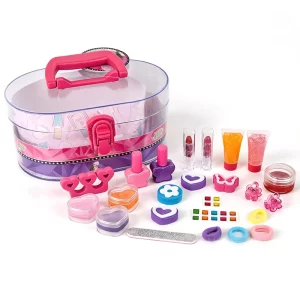
Understanding Ingredients, Mixing Processes, and Product Development
Ingredients are important parts of any cosmetic product. Different ingredients have different functions, such as adding color, changing texture, or improving product stability. STEM + Beauty Toys can introduce this idea through simple mixing activities.
During play, children can learn that the order, amount, and combination of materials may affect the final result. Measuring, comparing, and recording changes are basic steps that are also used in product development.
Professional cosmetic development requires advanced testing and scientific knowledge. However, educational activities can help children understand the basic idea that products are created through planning, testing, and improvement.
The Role of Safety Awareness in Beauty-Related Experiments
Safety is an important part of cosmetic science. Real cosmetic products must follow strict safety standards, including ingredient evaluation, quality control, and testing before use.
STEM + Beauty Toys can introduce safety awareness by teaching children to follow instructions, use suitable materials, and understand that not every substance is safe for every purpose. This helps build responsible habits during experiments.
Safety education also explains why cosmetic scientists carefully select ingredients and control production processes. Learning these principles at an early stage helps children understand the importance of science-based decision-making.
How STEM + Beauty Toys Support Skill Development
STEM + Beauty Toys combine creative activities with scientific concepts, allowing children to practice different skills during play. These toys are not only focused on creating beauty-related items but also on developing ways of thinking, such as planning, observing, and improving ideas.
By connecting beauty themes with STEM principles, children can explore how creativity and science work together. The learning process encourages them to understand basic design methods and scientific approaches through simple activities.
Developing Creativity and Design Skills
Beauty-related activities naturally involve design choices, including colors, shapes, patterns, and visual effects. STEM + Beauty Toys give children opportunities to create and adjust their ideas while learning basic design principles.
During the process, children can explore how different elements work together. For example, they may compare color combinations or think about how packaging design affects product use. These activities encourage creative thinking while keeping a connection to practical design.
Design skills are not only about making something look attractive. They also include understanding user needs, planning solutions, and improving ideas through testing.
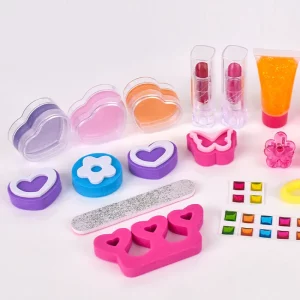
Improving Logical Thinking and Observation Abilities
STEM learning often requires careful observation and logical thinking. In beauty-related activities, children can practice these skills by comparing results, following steps, and identifying changes.
For example, when mixing materials, children may observe differences in color, texture, or consistency. They can then think about what caused these changes and how to adjust the process.
This learning method introduces a basic scientific approach: observe, analyze, test, and improve. These skills are useful in many areas beyond beauty, including science, engineering, and everyday problem-solving.
Encouraging Interest in Future Science and Beauty Industries
STEM + Beauty Toys can help children understand that the beauty industry involves more than appearance. Behind cosmetic products are areas such as chemistry, material science, engineering, and product design.
Early exposure to these concepts may help children become more familiar with science-related fields. By seeing how science connects with creative industries, they can develop a broader understanding of possible career areas in the future.
However, these toys are designed mainly for learning and exploration. They provide basic knowledge and curiosity rather than professional training for cosmetic science or related industries.
Key Design Considerations for STEM + Beauty Toys
Designing STEM + Beauty Toys requires a balance between education, safety, and user experience. Since these toys combine beauty themes with learning activities, developers need to consider both scientific accuracy and children’s needs.
A well-designed STEM + Beauty Toy should provide clear learning goals while remaining suitable for its target age group. Safety, material selection, and product quality are important factors that influence the overall experience.
Safety Requirements and Age-Appropriate Design
Safety is one of the most important considerations for any children’s product. STEM + Beauty Toys should be designed with materials and components that are suitable for the intended age range. Small parts, sharp edges, and unsuitable materials should be carefully evaluated.
Age-appropriate design also includes clear instructions and simple operation methods. Younger children may need more guidance, while older children can handle more complex activities involving measurement, testing, or design.
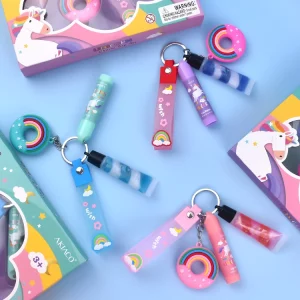
For beauty-related toys, it is also important to clearly separate educational activities from real cosmetic use. Children should understand that learning about product concepts is different from using professional cosmetic products.
Balancing Educational Value and Playability
A STEM + Beauty Toy needs both educational content and enjoyable play experiences. If the scientific concepts are too complex, children may lose interest. If the learning content is too limited, the toy may become only a simple entertainment product.
Good design introduces science concepts through activities rather than long explanations. For example, children can learn about colors, textures, or measurements while completing creative tasks.
The best balance allows children to explore freely while still achieving clear learning objectives. Playability keeps children engaged, while educational elements provide meaningful learning opportunities.
The Importance of Quality Materials and Production Standards
Material quality plays an important role in the safety and performance of STEM + Beauty Toys. Suitable materials should meet relevant safety requirements and maintain stable performance during use.
Production standards are also important because consistent manufacturing helps ensure that each product meets the expected quality level. This includes processes such as material inspection, quality control, and product testing.
For manufacturers, experience in cosmetic and toy-related production can help support better understanding of material selection, safety requirements, and production processes. A professional manufacturing approach is essential when creating educational products for children.
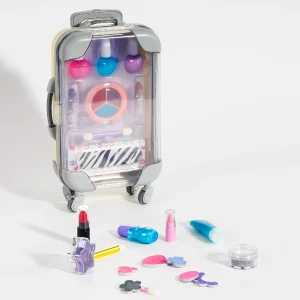
The Future Development of STEM + Beauty Toys
The development of STEM + Beauty Toys is closely connected with changes in education, technology, and consumer expectations. As learning methods become more interactive, beauty-related toys are also evolving from simple creative activities into more structured educational experiences.
Future STEM + Beauty Toys may combine more digital tools, scientific concepts, and personalized learning methods. However, the main goal remains the same: helping children understand science and creativity through safe and engaging play.
Increasing Integration of Technology and Interactive Learning
Technology is becoming an important part of modern educational tools. Digital features, such as interactive instructions, learning applications, and virtual demonstrations, can provide additional support during play.
For STEM + Beauty Toys, technology may help explain complex ideas in a simpler way. For example, digital content can show how colors mix, how materials change, or how product design processes work.
However, technology should support learning rather than replace hands-on activities. Physical exploration, testing, and creative thinking remain important parts of STEM education.
Opportunities for More Diverse Educational Experiences
Future STEM + Beauty Toys may include a wider range of learning topics. Besides basic color and texture concepts, they may introduce areas such as environmental science, sustainable materials, packaging design, and product testing.
More diverse activities can help children understand the connection between beauty products and different scientific fields. For example, sustainable design concepts can introduce ideas about material choices and resource use.
By expanding learning content, these toys can provide more opportunities for children to explore different interests while developing scientific awareness.
How Beauty Education May Continue to Evolve Through Play
Beauty education is gradually moving beyond appearance and personal expression. It now includes topics such as science, safety, design, and responsible product development.
Through play, children can learn that beauty-related products involve many professional areas, including chemistry, engineering, and creative design. This broader understanding helps create a connection between everyday experiences and scientific knowledge.
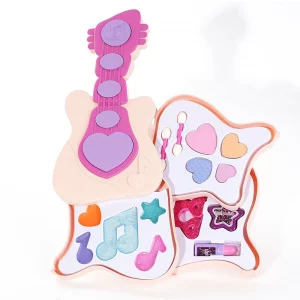
In the future, STEM + Beauty Toys may continue to develop as a learning tool that combines creativity with scientific exploration. Their value will depend on how well they balance educational content, safety, and enjoyable play experiences.
Conclusion
STEM + Beauty Toys are gaining attention because they connect creative play with scientific learning. They introduce children to basic ideas related to materials, design, testing, and problem-solving through familiar beauty themes.
As educational approaches continue to develop, these toys provide another way for children to explore science in daily life. Their focus is not only on the final product but also on the learning process behind creation and improvement.
The Combination of Science, Creativity, and Personal Expression
STEM + Beauty Toys bring together three important elements: science, creativity, and personal expression. Science helps explain how materials and processes work, while creativity allows children to explore different designs and ideas.
Beauty-related activities naturally encourage self-expression through colors, styles, and visual choices. When STEM concepts are added, children can also learn to analyze results and make decisions based on observation.
This combination reflects how many real-world industries work. Product development often requires both technical knowledge and creative thinking to create solutions that meet user needs.
The Long-Term Value of Learning Through Beauty-Themed Play
Learning through play can help children build early awareness of scientific methods and creative processes. STEM + Beauty Toys introduce basic skills such as observation, testing, planning, and problem-solving in an accessible way.
These skills are useful across many fields, not only in beauty-related areas. Understanding how to explore ideas, evaluate results, and improve designs can support future learning in science, technology, engineering, and other creative industries.
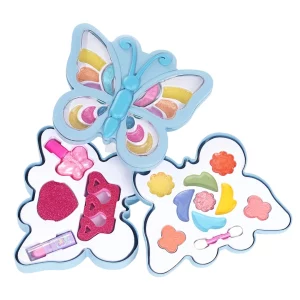
As STEM education continues to expand, beauty-themed play may remain a useful approach for connecting everyday experiences with scientific knowledge. The key is creating learning experiences that are safe, age-appropriate, and based on accurate concepts.