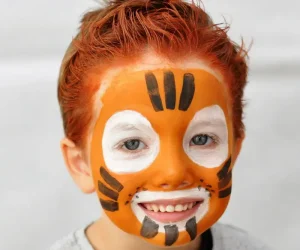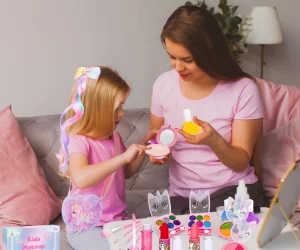
Children’s lips are delicate and more prone to dryness and chapping than adult lips. They have thinner skin, fewer protective oils, and higher water loss, making hydration and gentle protection important.
Anatomy of Kids’ Lips
Children’s lips are made of three main layers: the outer epidermis, the inner mucosa, and the middle connective tissue. The epidermis has very few oil glands, which limits natural moisture. Unlike skin on the face or hands, lips cannot retain water efficiently, which is why dryness develops quickly.
Lips also contain capillaries close to the surface, giving them a reddish color. This thin structure makes them more sensitive to friction, temperature, and chemicals. Applying a safe kids lip balm can act as a gentle barrier without blocking natural processes.
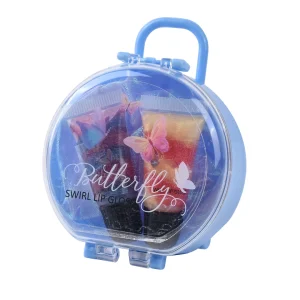
Why Children Are Prone to Dryness and Chapping
Children often lick, bite, or rub their lips, which removes natural moisture. Activities like eating salty snacks or breathing through the mouth during play can worsen dryness. Studies in pediatric dermatology note that lip chapping is one of the most common mild skin issues in children (American Academy of Pediatrics, 2020).
Another factor is that kids’ skin barrier is still developing. The protective lipid layer is thinner than in adults, so water evaporates faster. Gentle, non-irritating lip balms help reduce friction and retain moisture without introducing harsh ingredients.
Seasonal and Environmental Influences on Lip Health
Weather changes heavily impact children’s lips. Cold air, low humidity, and wind can strip moisture, while hot sun can increase evaporation and cause mild sunburn. Indoor heating in winter also dries the air, accelerating chapping.
Environmental irritants like dust, chlorinated pools, or even flavored snacks may exacerbate dryness. Caregivers can protect lips with hydrating kids lip balm, monitor exposure, and encourage drinking water to maintain hydration. Seasonal attention can prevent small discomforts from becoming persistent issues.
Key Ingredients to Look for in Kids’ Lip Balm
Choosing the best kids lip balm starts with understanding the ingredients. Some compounds provide hydration, others soothe or protect, and some should be avoided to prevent irritation. A science-based view helps caregivers select products that balance safety, comfort, and effectiveness.
Moisturizing Agents That Keep Lips Hydrated
Moisturizing agents are essential for preventing dryness. Ingredients like glycerin, shea butter, or jojoba oil draw water into the lips and form a light barrier to reduce evaporation. They help maintain natural hydration without heavy occlusion, which is important for sensitive children’s lips.
These agents also support repeated use. Kids often lick or rub their lips, which removes moisture quickly. A well-formulated balm replenishes lost water and prevents chapping while remaining gentle on delicate tissue.
Soothing and Protective Natural Extracts
Many kids lip balms include natural extracts like aloe vera or calendula. These compounds have mild anti-inflammatory properties and can calm irritation caused by chapping or friction. They work alongside moisturizing agents to support healthy skin recovery.
Natural antioxidants, such as vitamin E, may also protect lips from environmental stress like sun exposure or wind. While not a replacement for SPF, these additives strengthen the barrier and reduce oxidative damage, keeping lips smooth and less prone to cracking.
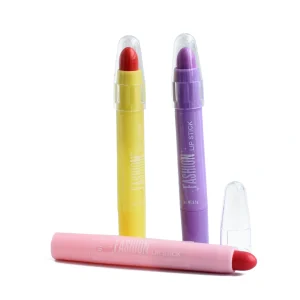
Avoiding Irritants and Harsh Chemicals
Some ingredients can cause reactions in sensitive children. Menthol, camphor, strong fragrances, or high concentrations of essential oils may sting or trigger redness. Synthetic dyes and harsh preservatives may also irritate thin lip skin.
Parents should read labels carefully and select kids lip balm with mild formulations. Products that are fragrance-free, hypoallergenic, and minimally processed tend to be safest for young users. Observing the child after initial use can help detect mild sensitivities early.
Different Forms of Lip Balm and How They Work
Kids lip balm comes in several forms, each affecting how the product is applied and how it interacts with the lips. Understanding stick, tube, or pot formats helps caregivers choose what is easiest and safest for children to use.
Stick, Tubes, and Pots
Stick balms are solid and convenient for quick, direct application. They are less messy and easy for children to carry. Tubes often feature a squeeze mechanism or twist-up design, allowing control over the amount applied, which is helpful for younger kids who may overuse.
Pots or jars require the user to apply with fingers or a small spatula. While they allow precise control over the amount and layering, they are messier and may introduce germs if hands are not clean. Caregivers can teach children how to use each type safely and hygienically.
Balms vs. Tinted Moisturizers
Traditional balms focus on hydration and protection without changing lip color. Tinted lip moisturizers combine gentle color with moisturizing ingredients. For kids, these products can encourage use and self-care but must remain free of irritants.
Tinted balms generally contain safe pigments and lower concentrations of active ingredients. Caregivers should choose formulations designed specifically for children to avoid unnecessary chemicals while still providing hydration and mild sun protection.
How Formulation Affects Application and Absorption
The texture of a kids lip balm—solid, semi-solid, or liquid—determines how quickly it spreads and absorbs. Softer formulations glide smoothly but may need more frequent reapplication. Firmer balms last longer but can feel heavier.
Ingredients like oils, waxes, and butters influence thickness, shine, and barrier properties. A well-balanced formula ensures that moisture penetrates without leaving lips sticky or greasy, making daily use comfortable and effective.
SPF and Sun Protection in Kids’ Lip Balms
Children’s lips are highly sensitive to UV rays, which can cause redness, dryness, and long-term damage. Incorporating sun protection in kids lip balm helps prevent these issues. Understanding how UV affects lips, which ingredients are safe, and how to balance hydration with SPF is essential for daily care.
How UV Rays Affect Children’s Lips
UV radiation can damage the delicate skin of children’s lips more quickly than adult lips. The thin epidermis and lack of protective oils make lips prone to sunburn, especially during outdoor play. Even brief exposure can lead to redness, irritation, or peeling.
Kids often forget to reapply protection while playing, so lips can become dry and sensitive over time. Using a kids lip balm with SPF can act as a barrier, minimizing UV penetration while keeping lips comfortable.
Safe Sun Protection Ingredients for Kids
Not all sunscreen ingredients are suitable for young children. Physical blockers like zinc oxide or titanium dioxide are widely recommended because they remain on the surface and are less likely to irritate delicate lip skin.
Chemical UV filters may be used in very small concentrations but should be chosen carefully. Formulations should avoid harsh chemicals, strong fragrances, or synthetic additives that could trigger irritation. Labels like “children safe” or “hypoallergenic” help caregivers select appropriate products.
Balancing Moisturization and Sun Protection
Adding SPF can sometimes make lip balm feel thicker or less smooth. A good kids lip balm balances hydration and sun protection so lips remain soft without feeling heavy or sticky.
Moisturizing agents like shea butter or glycerin complement SPF ingredients by retaining water and forming a protective barrier. Frequent reapplication, especially during outdoor activities, ensures consistent protection while maintaining comfort.
Flavor, Fragrance, and Sensory Considerations
The sensory experience of a lip balm—taste, smell, and texture—affects whether children actually use it. Safe flavors and mild scents can encourage consistent application, while strong or artificial additives may cause irritation or aversion.
Natural Flavors vs. Artificial Additives
Natural flavors, like fruit extracts or vanilla, are generally milder and less likely to irritate sensitive lips. They provide a gentle taste that encourages children to use the balm without discomfort.
Artificial flavors may be stronger and sometimes contain chemicals that trigger redness or mild allergic reactions. Caregivers should check labels carefully, favoring balms with natural, non-irritating flavorings specifically formulated for children.
How Scent and Taste Affect Kids’ Usage
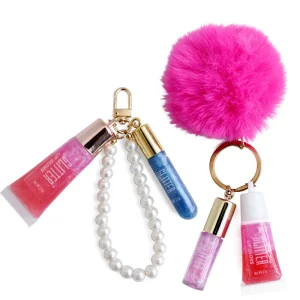
Children are more likely to apply lip balm regularly if it smells pleasant and tastes mild. A subtle fruity or sweet scent can motivate daily use and establish good lip care habits.
Strong or unusual flavors, however, may discourage children or lead them to lick it off, reducing effectiveness. Balms that strike a balance between mild flavor and hydration are generally most successful for consistent use.
Avoiding Sensory Overload or Irritation
Some kids are sensitive to scents or textures. Strong fragrances, minty sensations, or overly glossy finishes can feel overwhelming or sting delicate lips.
Choosing hypoallergenic, lightly scented, or fragrance-free kids lip balm minimizes the risk of irritation while ensuring a positive experience. Observing the child’s reaction during initial use can help identify products that are both safe and comfortable.
Allergies and Skin Sensitivity in Children
Children’s lips are delicate and more prone to irritation than adult lips. Some ingredients in lip products can trigger redness, itching, or swelling.
Common Allergens in Lip Products
Common triggers include strong fragrances, certain essential oils, artificial dyes, and preservatives like parabens. Even natural flavors or herbal extracts may cause mild reactions in sensitive children.
Caregivers should read labels carefully and opt for balms labeled hypoallergenic or specifically formulated for children. Awareness of common irritants reduces the risk of discomfort or skin issues.
Patch Testing and Monitoring for Reactions
Before regular use, applying a small amount of kids lip balm to a discreet area, like the inner wrist, can help identify sensitivity. Monitor the spot for 24–48 hours for redness, swelling, or itchiness.
Patch testing is a simple, preventive step that can avoid repeated irritation on the lips. Observing how the child reacts during initial use provides additional guidance for safe daily application.
Recognizing Signs of Irritation or Allergic Response
Early signs include redness, dryness, small bumps, or mild itching. More severe reactions may involve swelling or blistering, requiring prompt discontinuation and, if necessary, medical attention.
Caregivers should teach children to report discomfort and check lips regularly after using new products. Consistent monitoring helps identify safe kids lip balm for long-term use.
Application Techniques for Kids
Proper application techniques make a significant difference in how well kids lip balm protects and hydrates lips.
Teaching Proper Lip Care Habits
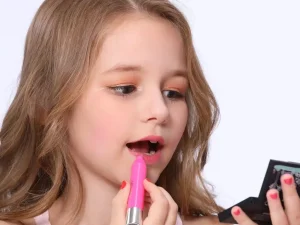
Children should apply a thin, even layer of balm, covering the entire lip surface. Encourage gentle rubbing rather than aggressive spreading, which can irritate delicate skin.
Using a fun, step-by-step approach—like applying before school, outdoor play, or bedtime—helps kids remember the routine and reinforces positive habits.
How Often to Reapply for Maximum Benefit
Reapplication depends on activity and environmental exposure. Lips may need additional balm after eating, drinking, swimming, or prolonged outdoor play. A general guideline is every 2–3 hours for dry conditions or when lips feel rough.
Teaching children to listen to their lips’ signals—like tightness or roughness—supports independent, safe use of kids lip balm.
Encouraging Consistent Use Without Overuse
Over-application can leave lips greasy and reduce absorption. Encourage children to apply only what is needed, focusing on hydration rather than flavor or color.
Balms stored in accessible places, like backpacks or lunchboxes, help children apply when necessary. Reinforcing balance ensures consistent protection while avoiding excessive or messy use.
Lifestyle and Preventative Strategies for Healthy Lips
Healthy lips in children depend not only on the right kids lip balm but also on daily habits and lifestyle. Hydration, nutrition, and mindful exposure to environmental factors all contribute to preventing dryness and chapping.
Hydration and Nutrition
Water intake is essential for maintaining moisture in lips and skin. Children who stay hydrated naturally reduce dryness and are less likely to develop chapped lips.
Nutrient-rich foods also play a role. Vitamins A, C, and E support skin repair, while healthy fats from foods like avocado or nuts help maintain the lipid barrier on lips. Combining proper hydration with a balanced diet complements the protective effects of kids lip balm.
Outdoor Activities and Environmental Exposure
Outdoor play exposes children to sun, wind, cold, and dry air, all of which can strip moisture from lips. Using a protective kids lip balm with SPF or a gentle barrier before going outside reduces environmental stress.
Caregivers should also consider seasonal factors: winter air tends to dry lips faster, while summer sun increases the need for protection. Regular monitoring ensures lips remain soft and comfortable throughout different activities.
Habits That Help Prevent Dryness and Chapping
Simple habits can prevent lip problems. Encourage children not to lick or bite their lips, as saliva evaporates quickly and worsens dryness. Remind them to apply lip balm before meals, after washing hands, or when lips feel tight.
Maintaining consistent routines, along with hydration and environmental awareness, helps ensure that lips stay healthy, soft, and well-protected without over-reliance on products.
Conclusion
Choosing the best lip balm for kids combines understanding lip anatomy, safe ingredients, and proper habits. Hydration, sun protection, gentle flavors, and consistent application help prevent dryness and chapping.
Coupled with healthy nutrition, environmental awareness, and attentive supervision, the right kids lip balm supports soft, protected, and comfortable lips every day.