Clean makeup for kids focuses on safety, simple formulas, and careful use. It is not about trends. Instead, it looks at how products interact with young skin and how to reduce risk during daily or play use.
What Does “Clean Makeup for Kids” Really Mean?
“Clean makeup” for kids refers to products made with low-risk ingredients. These formulas avoid known irritants and limit complex chemical blends. The goal is to reduce exposure, not to claim zero risk.
In practice, this means fewer ingredients and clear labeling. For example, many guidelines from the U.S. Food and Drug Administration stress that cosmetic safety depends on proper use and ingredient control, not marketing terms.
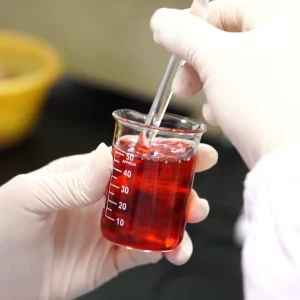
Clean also means stability and hygiene. A product should stay safe during use. So, mild preservatives and controlled pH levels are often included, even in simple formulas.
Why Safety and Simplicity Matter in Children’s Cosmetics
Children’s skin is thinner and more reactive than adult skin. It can absorb substances more easily. Because of this, even small amounts of irritants may cause redness or discomfort.
Simple formulas help reduce this risk. Fewer ingredients mean fewer chances for reactions. For example, removing added fragrance can lower irritation risk, especially around the eyes and lips.
Safety also depends on how products are used. Kids may apply more products or use it in unintended ways. So, textures, pigments, and packaging must all support safe handling and easy removal.
The Growing Interest in Kid-Friendly Beauty Products
Interest in kid-safe makeup has increased in recent years. This is linked to social media, play culture, and early curiosity about self-expression. However, it also raises questions about safety and age-appropriate use.
Parents are now more aware of ingredient lists and product claims. Reports from groups like the Environmental Working Group show growing concern about long-term exposure to cosmetic ingredients.

As a result, there is a shift toward simpler, transparent products. The focus is less on performance and more on safety, control, and clear information.
Understanding Children’s Skin and Its Unique Needs
Children’s skin is still developing, so it behaves differently from adult skin. It reacts faster to external factors and needs more care. Therefore, product design must follow basic skin science and focus on low irritation and balance.
Key Differences Between Adult and Children’s Skin
Children’s skin has a thinner outer layer, known as the stratum corneum. This layer acts as a barrier. When it is thinner, it allows more substances to pass through the skin.
In addition, children produce less oil. This can make their skin more prone to dryness. As a result, products should avoid stripping moisture or disrupting the skin’s natural balance.
Another key point is surface area. Kids have a higher skin surface area relative to body weight. According to the American Academy of Pediatrics, this can increase exposure risk when products are applied widely.
Common Skin Sensitivities in Kids
Children often show stronger reactions to common cosmetic ingredients. Fragrance is one of the most frequent triggers. Even small amounts may lead to redness or itching.
Colorants and preservatives can also cause issues. For example, some synthetic dyes may irritate sensitive skin, especially around the eyes. Reactions are not always immediate and may appear after repeated use.
In some cases, children may have conditions like eczema. This makes the skin barrier weaker. As a result, even mild products need extra care in both formulation and use.
How Skin Development Impacts Product Formulation
Skin development changes how products should be made. Since the barrier is still forming, formulas should be light and easy to remove. Heavy or long-wear products are not suitable.
pH level is another key factor. Children’s skin tends to stay slightly acidic. Products should stay close to this range to avoid disrupting the barrier and causing irritation.
Finally, ingredient choice must consider cumulative exposure. Even safe ingredients can cause issues if used too often. So, formulation should aim for balance, using only what is needed for function and safety.
Essential Principles of Creating a Clean Makeup Line for Kids
Creating clean makeup for kids starts with control and restraint. The goal is not to add more, but to reduce risk. This means careful ingredient choice, simple formulas, and clear safety limits during both design and use.
Prioritizing Non-Toxic and Gentle Ingredients
Non-toxic does not mean risk-free. It means ingredients are used within safe limits and are less likely to irritate skin. For children, this often includes mild emollients, simple waxes, and low-reactivity pigments.
In practice, ingredient selection should rely on established safety data. Organizations like the Cosmetic Ingredient Review provide evaluations based on toxicology and exposure levels. These sources help guide safer formulation choices.
Another key point is compatibility. Ingredients should work well together without increasing irritation. Even gentle compounds can cause issues if combined poorly or used in high amounts.
Avoiding Common Irritants and Harmful Substances
Avoidance is a core principle in kids’ makeup design. Some substances are not suitable due to irritation risk, while others raise concerns about long-term exposure.
Formulators often remove high-risk ingredients early in development. This reduces the need for later adjustments and supports a safer final product.
Synthetic Fragrances and Dyes
Synthetic fragrances are a common cause of skin reactions. They may contain many small compounds, some of which can trigger irritation, especially on sensitive skin.
Dyes can also pose risks. Certain colorants may stain or irritate the skin and eyes. As a result, safer alternatives and lower concentrations are often preferred in kids’ products.
Parabens, Phthalates, and Heavy Metals
Parabens are used as preservatives, but their use in children’s products is often limited due to ongoing safety discussions. While agencies like the European Commission allow some parabens in controlled amounts, caution is still common.
Phthalates are mainly linked to fragrance systems and are generally avoided in clean formulations. Heavy metals, such as lead contamination in pigments, must be strictly controlled through raw material testing.
Harsh Preservatives
Preservatives are necessary, but some types can be too strong for children’s skin. For example, formaldehyde-releasing agents are more likely to cause irritation and are usually avoided.
Instead, milder systems are used in lower amounts. The challenge is to balance microbial safety with skin tolerance, without overloading the formula.
Importance of Minimalist Formulations
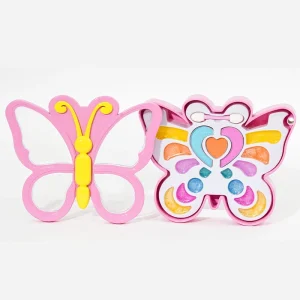
Minimalist formulas focus on using only essential ingredients. Each component must serve a clear purpose, such as texture, stability, or basic color.
This approach reduces the chance of irritation and makes the product easier to evaluate. If a reaction occurs, it is also easier to identify the cause.
In addition, simpler formulas tend to be more stable. With fewer interactions between ingredients, there is less risk of breakdown over time. This supports both safety and consistent performance.
Ingredient Selection for Kid-Safe Makeup
Ingredient selection is a controlled process, not a guess. Each raw material must be reviewed for safety, stability, and exposure level. For kids, the goal is to reduce risk while keeping the formula functional and easy to use.
Safe Base Ingredients Commonly Used
Base ingredients form the structure of a product. In kids’ makeup, these often include simple emollients, waxes, and mineral powders. They help with texture, spread, and basic coverage without stressing the skin.
For example, inert minerals like mica or titanium dioxide are often used in low-risk forms. Their safety depends on purity and particle control, not just the name of the ingredient.
Oils and waxes should also be stable and low in irritation. Oxidation-prone oils may break down over time, so stable options are preferred to maintain product safety during use.
Natural vs. Synthetic: What Truly Matters for Safety
The term “natural” is often misunderstood. Natural ingredients can still cause irritation or allergic reactions. In some cases, plant extracts contain complex compounds that are harder to control.
Synthetic ingredients, on the other hand, are often more consistent. They can be purified and tested under controlled conditions. This can reduce variability and improve safety when used correctly.
According to the U.S. Food and Drug Administration, safety depends on how an ingredient is used, not whether it is natural or synthetic. Dose, purity, and exposure all matter.
Hypoallergenic and Dermatologically Tested Components
Hypoallergenic ingredients are selected to reduce the chance of reactions. However, this term does not guarantee zero risk. It simply indicates a lower likelihood of irritation based on available data.
Dermatological testing adds another layer of evaluation. Products are tested on human skin under controlled conditions to check for irritation or sensitization. This helps identify potential issues before wider use.
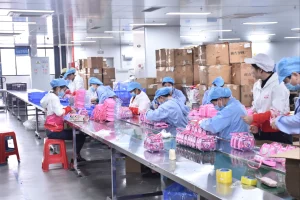
Still, results can vary between individuals. Children with sensitive skin may react differently, so testing should be combined with cautious formulation and clear use guidance.
Understanding Ingredient Labels and Transparency
Clear labeling is essential for safe use. Ingredient lists should follow standard naming systems, such as those guided by the International Nomenclature of Cosmetic Ingredients. This allows consistent identification across products.
Transparency also means disclosing all functional ingredients, including preservatives and colorants. Hidden components, especially in fragrance blends, can make safety assessment difficult.
For parents and caregivers, simple and short ingredient lists are easier to review. This supports informed decisions and helps reduce unnecessary exposure to complex mixtures.
Product Types Suitable for a Kids Makeup Line
Not all makeup types are appropriate for children. Product design should match how kids use them. In most cases, lighter textures and simple formats are preferred. This helps reduce buildup, irritation, and misuse during play.
Lip Products
Lip products are common in kids’ makeup because they are easy to apply and remove. Simple balms and glosses use basic waxes and oils to create a light, protective layer on the lips.
Since lip products may be ingested in small amounts, ingredient safety is critical. Formulas should avoid strong flavors, synthetic fragrance, and unstable colorants that may break down during use.
Texture also matters. Sticky or long-wear formulas can lead to overapplication. A lighter, spreadable texture helps control use and makes removal easier with mild cleansing.
Light Face Products
Face products for kids should be minimal and breathable. Tinted moisturizers and soft balms provide light color without forming a heavy layer on the skin.
These products rely on simple emulsions or oil-based systems. They should spread easily and not require tools for application. This reduces friction and lowers the risk of irritation.
In addition, pigments should be used at low levels. The goal is not full coverage, but a subtle effect that can be removed without strong cleansers or repeated washing.
Eye Products
Eye products require extra care due to the sensitivity of the eye area. Powders or soft creams with low pigment load are often preferred, as they reduce the chance of particles entering the eye.
Ingredients must be selected for low irritation and good stability. According to the U.S. Food and Drug Administration, color additives used near the eyes must meet strict safety standards.
Application should also be simple. Products that do not require brushes or sharp tools help reduce accidental injury and support safer use during play.
Play-Oriented vs. Everyday Wear Makeup
Kids’ makeup often falls into two categories: play-oriented and everyday wear. Play products focus on short-term use, easy removal, and simple effects.
Everyday products require slightly more stability and consistency. However, they should still follow the same safety principles, including low irritation and controlled ingredient use.
The key difference is duration. Play products are used briefly, while everyday items may stay on longer. This affects how formulas are designed, especially in terms of wear time and removal.
Safety Testing and Quality Assurance
Safety testing ensures that a product performs as expected under real conditions. For kids’ makeup, this process focuses on low irritation, stability, and hygiene. Each step helps reduce risk during repeated and sometimes unpredictable use.
Dermatological Testing for Sensitive Skin
Dermatological testing checks how a product interacts with human skin. It is often done through controlled patch tests on volunteers to observe irritation or sensitization over time.
For children’s products, the focus is on mildness. Test conditions aim to reflect sensitive skin behavior. According to the American Academy of Dermatology, even low-risk formulas should be evaluated for cumulative irritation.
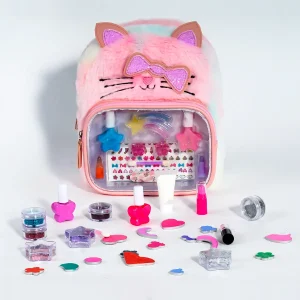
Results guide formula adjustment. If redness or discomfort appears, ingredient levels or combinations may need to change before the product is considered suitable.
Ophthalmologist Testing for Eye Products
Eye-area products require specific safety checks. Ophthalmologist testing evaluates whether a product may cause stinging, tearing, or redness when used near the eyes.
These tests are conducted under medical supervision. They assess both direct contact and accidental exposure, which is common in children’s use.
In addition, only approved color additives should be used near the eyes. Regulatory guidance, such as that from the U.S. Food and Drug Administration, helps define safe use conditions.
Stability and Shelf-Life Testing
Stability testing examines how a product changes over time. Factors like temperature, light, and air exposure are controlled to simulate real storage conditions.
A stable product should maintain its texture, color, and safety profile. Separation, odor change, or texture breakdown may indicate instability and potential risk.
Shelf-life is based on these results. It defines how long a product can be used safely after production or opening. Clear dating or usage guidance supports safer use.
Microbial Safety and Preservation
Microbial safety ensures that products remain free from harmful levels of bacteria, yeast, and mold. This is critical for products used by children, who may share or reuse items.
Preservative systems are tested through challenge tests. In this process, microbes are introduced to the formula to see if they are effectively controlled over time.
The goal is balance. Preservation must be strong enough to protect the product, but gentle enough to avoid irritation. This requires careful selection and precise dosing of preservative agents.
Packaging Considerations for Kids Makeup
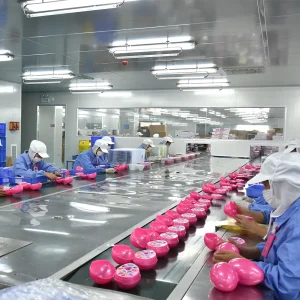
Packaging is not just about appearance. It plays a key role in safety, hygiene, and correct use. For kids’ makeup, design must reduce contamination, limit misuse, and support simple handling during daily or play use.
Hygienic and Easy-to-Use Designs
Packaging should allow clean and direct use. Twist-up sticks, squeeze tubes, and solid formats help reduce hand contact with the product. This lowers the chance of introducing dirt or bacteria.
Ease of use is also important. Children may lack fine motor control, so closures should be simple but secure. Designs that guide correct use can help prevent overapplication or accidental contact with sensitive areas.
Durable and Non-Toxic Packaging Materials
Materials must be stable and safe under normal use. Plastics, for example, should be free from harmful additives and should not release substances into the product over time.
Durability is another key factor. Packaging should resist cracking or breaking if dropped. Damaged containers may expose the product to air and microbes, increasing safety risks.
Material selection should also consider compatibility. Some formulas may react with certain packaging types, so testing is needed to ensure no unwanted changes occur.
Preventing Contamination Through Smart Packaging
Smart packaging design helps control contamination during repeated use. Airless pumps and sealed containers can limit exposure to air and microbes, especially in semi-liquid products.
Single-use or limited-access formats may also reduce risk. While not always necessary, they can be useful for products used near the eyes or lips, where hygiene is more critical.
In addition, clear closure systems are important. Lids should close tightly and stay closed during storage. This helps maintain product stability and reduces environmental exposure.
Age-Appropriate Design Without Encouraging Misuse
Design should match the user’s age and behavior. Packaging should be easy to open, but not so loose that it spills or leaks during handling.
Visual design also matters. While colors and shapes can be engaging, they should not encourage unsafe behavior, such as applying too much product or using it in unintended ways.
Clear cues, such as simple labels or icons, can guide proper use. These small design choices help children use products safely without relying only on supervision.
Regulatory and Safety Guidelines
Regulation sets the baseline for safety. For kids’ makeup, rules focus on ingredient control, labeling, and proper use. While standards vary by region, the core goal is the same: reduce risk through clear limits and consistent oversight.
General Cosmetic Safety Standards for Children
Children’s cosmetics follow general cosmetic laws, but with greater caution. Products must be safe under normal and reasonably expected use. This includes accidental misuse, which is more common with children.
In the United States, the U.S. Food and Drug Administration requires that cosmetics are not adulterated or misbranded. While pre-market approval is limited, manufacturers are responsible for ensuring product safety.
In the European Union, rules are stricter under the European Commission. Safety assessments must be documented, and certain ingredients are restricted or banned based on risk data.
Labeling Requirements and Ingredient Disclosure
Accurate labeling is essential for safe use. Ingredient lists must follow standardized naming systems, such as those defined by the International Nomenclature of Cosmetic Ingredients. This ensures consistency across products and regions.
Labels should include all functional ingredients, including colorants and preservatives. Hidden components, especially within fragrance blends, can make risk assessment difficult for users.
Other required elements often include net content, manufacturer details, and usage warnings. Clear labeling helps caregivers make informed decisions and supports safe handling.
Age Recommendations and Usage Instructions
Age guidance helps match products to user ability and skin tolerance. While not always legally required, it is considered best practice for children’s cosmetics.
Instructions should be simple and direct. For example, guidance on how much to apply, where to use the product, and how to remove it safely can reduce misuse.
Warnings are also important. These may include avoiding broken skin, stopping use if irritation occurs, and keeping products out of reach of very young children.
International Safety Perspectives
Different regions apply different levels of control, but many principles overlap. Ingredient restrictions, safety testing, and labeling standards are common across major markets.
For example, the EU often applies a precautionary approach, limiting ingredients earlier based on emerging data. In contrast, the U.S. system focuses more on post-market responsibility and enforcement.
Global organizations, such as the World Health Organization, support broader safety awareness, especially in relation to chemical exposure in children. These perspectives help guide safer product development worldwide.
The Future of Clean Makeup for Kids
The future of kids’ makeup is shaped by safety data, user behavior, and better awareness. Instead of rapid change, progress is steady and controlled. The focus remains on reducing risk while keeping products simple and functional.
Trends in Gentle and Skin-Friendly Formulations
Formulations are moving toward lower complexity. Fewer ingredients and milder systems are now preferred, especially for products used often or on sensitive areas.
There is also a shift toward barrier-friendly design. This includes maintaining skin pH and avoiding ingredients that may disrupt the outer layer. Research referenced by the National Institutes of Health supports the role of stable formulations in reducing irritation.
In addition, textures are becoming lighter and easier to remove. This reflects how children use products—often quickly and without precise control.
Increasing Demand for Transparency and Safety
Consumers are asking for clearer information. Parents want to know what is inside a product and why each ingredient is used. This pushes manufacturers to improve labeling and disclosure.
Transparency also includes safety data. While full reports are not always public, summaries and testing claims are becoming more common. This helps build trust and supports informed use.
Regulatory pressure is also increasing. Agencies such as the European Commission continue to update ingredient rules based on new evidence, which shapes future product design.
The Role of Education in Shaping Safer Beauty Choices
Education plays a key role in safe use. Children need simple guidance on how and when to use makeup. This includes basic hygiene, limited application, and proper removal.
Parents and caregivers also need clear information. Understanding labels, recognizing irritation, and setting limits can reduce unnecessary exposure.
Over time, better education may have a stronger impact than product changes alone. When users understand how products work, they are more likely to use them safely and consistently.
Conclusion
Creating a clean makeup line for kids requires careful balance. Safety, simplicity, and proper use must guide every step, from ingredient selection to packaging and testing. Children’s skin is more reactive, so even small choices can have an impact. Clear labeling, gentle formulas, and controlled design help reduce risk.
At the same time, education supports safer daily use. In the end, a well-designed product is not just about what is included, but also what is limited, how it is used, and how well it protects young skin over time.