Can fake blood go on skin? Learn how to use it safely, test for allergies, and avoid irritation during costumes or play.
What Is Fake Blood Made Of?
Fake blood may look scary, but what it’s made of is actually pretty simple. Whether it’s for Halloween or a school play, understanding the ingredients helps keep skin safe and irritation-free.
Common Ingredients in DIY and Store-Bought Fake Blood
Most DIY fake blood recipes use pantry staples. Red food coloring, corn syrup, and cocoa powder make up the base. Some add flour or dish soap for thickness or easy cleanup. These ingredients are usually safe for skin, but not always for sensitive areas.
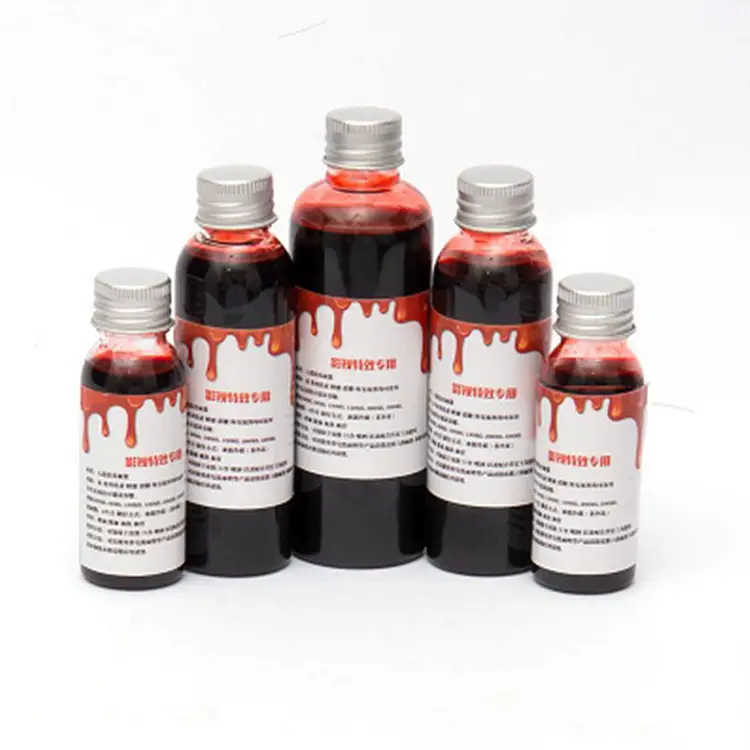
Store-bought versions may use similar food-safe dyes, but they often contain preservatives, synthetic colors, or gels for longer shelf life and better texture. Always check the label for potential irritants like alcohol or strong dyes.
Some types, especially horror-themed blood, might include colorants not approved for skin contact. If you can’t pronounce an ingredient or it stings, it’s best to avoid it.
Differences Between Cosmetic-Grade and Theater-Grade Blood
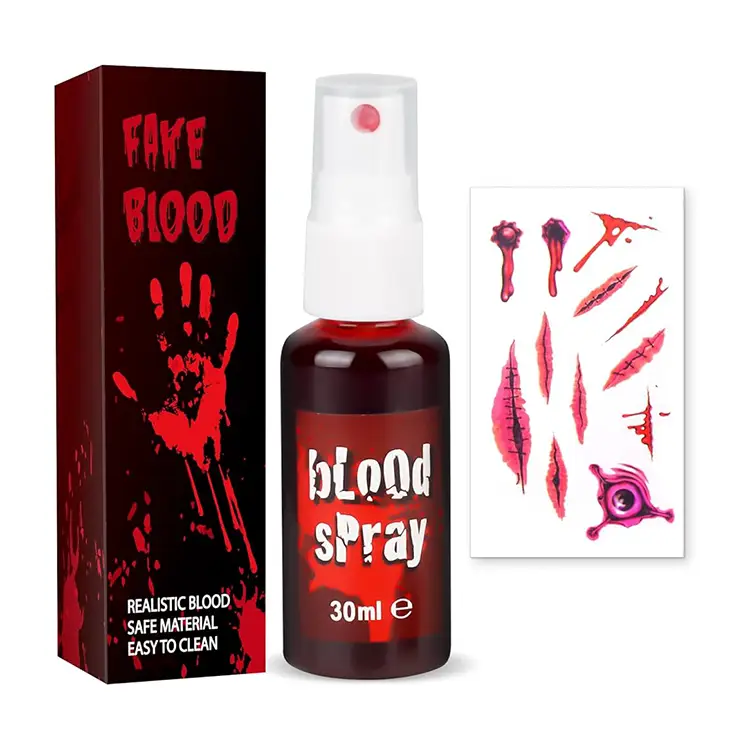
Cosmetic-grade fake blood is made for direct use on skin, especially the face. It’s tested for safety, often non-toxic, and washes off easily. This is the kind used in special effects makeup or kids’ costumes.
Theater-grade blood is meant to be seen from a distance—think stage plays or haunted houses. It’s thicker, darker, and sometimes includes materials that aren’t ideal for long skin contact. Some formulas may stain or clog pores.
A general rule? If it’s not labeled for skin, keep it on props or clothes only. Even safe-looking blood should be patch-tested first, especially for kids or people with allergies.

Can Fake Blood Go on Skin Safely?
Fake blood can go on skin, but safety depends on what it’s made from. Some ingredients are gentle. Others may cause itching, redness, or worse. Knowing what’s in it helps reduce risk.
Skin Contact and Ingredient Reactions
Some people react to ingredients in fake blood, especially if it includes alcohol, strong dyes, or fragrance. These can dry out skin or cause rashes. Kids and those with eczema may be more sensitive.
DIY versions made from food-safe ingredients—like corn syrup and red coloring—are usually milder. Still, it’s important to avoid areas with broken skin or around the eyes. Even safe-looking products may cause a reaction on thin or damaged skin.
Short-Term vs. Long-Term Exposure Considerations
Short-term use, like for a party or play, is usually okay—especially if you wash it off soon after. Leaving fake blood on skin for hours, especially overnight, can lead to clogged pores or dryness.
Some fake bloods stain skin if worn too long. Sticky formulas can trap sweat or bacteria, especially in warm weather. After wearing, always clean skin with mild soap and water.
Is Fake Blood Safe for Kids’ Skin?
Kids love pretend play, and fake blood can make Halloween or drama fun. But their skin is more delicate than adults’. You’ll want to check the product and supervise how it’s used.
Age-Appropriate Use of Fake Blood in Play or Costumes
Not all fake blood is made for children. Cosmetic-grade products labeled “for kids” or “non-toxic” are a safer choice. Avoid theatrical types unless you’re sure they’re skin-safe.
Preschoolers may touch their face or eyes often, so try limiting fake blood to arms or clothes. Older kids can wear it longer, but remind them not to rub their face or lick their hands.
Supervision and Patch Testing for Sensitive Skin
Kids with allergies or eczema should always be patch tested first. A red or itchy spot could mean the fake blood is too strong. Even gentle formulas can irritate if left on too long.
Let children know not to share fake blood with friends unless you’ve tested it on them too. Supervision is key during parties or school events where products may get swapped or applied quickly.
How to Patch Test Fake Blood Before Full Application
A patch test is a fast, easy way to check if fake blood will irritate skin. It only takes 24 hours and could prevent rashes or stinging later on.
Step-by-Step Patch Test Instructions
- Pick a small area of skin—like the inside of your arm.
- Clean it with water and let it dry.
- Dab on a little fake blood and wait at least 15–20 minutes.
- Don’t cover it with clothes or tape.
- Wash it off after an hour, even if there’s no reaction.
Now watch the skin for the next 24 hours. Redness or bumps may mean it’s not a match.
What to Watch for: Redness, Itching, or Burning
Mild redness that goes away quickly might be okay. But itching, burning, or swelling? That’s a no-go. Some kids may say it “feels hot” even if it looks fine—listen to them.
If a rash develops later, avoid using the product. Switch to something made with food-safe or hypoallergenic materials instead.
Potential Skin Reactions to Fake Blood
Even if fake blood looks harmless, it can cause skin problems in some people. Reactions depend on skin type, product ingredients, and how long it stays on the skin.
Allergic Contact Dermatitis
This type of reaction happens when the skin sees an ingredient as a threat. Redness, itching, or tiny bumps might show up hours after wearing fake blood. The skin may feel tight or burn.
Common triggers include dyes, lanolin, or parabens. If this happens, wash off the product right away. Avoid scratching to prevent further irritation.
Irritation From Fragrances or Preservatives
Some fake blood has added scents or preservatives. These make the product last longer or smell better, but they can irritate skin—especially on the face or neck.
Even people without allergies may feel a stinging or burning sensation. Kids with sensitive skin are at higher risk. Always check labels and choose products with fewer added chemicals.
When to Wash It Off Immediately
If skin starts to feel hot, tight, or itchy after applying fake blood, don’t wait. Wash it off right away using warm water and mild soap. Don’t try to cover it with makeup.
Also wash it off if the product drips near the eyes or mouth. These areas are more likely to absorb chemicals or get irritated.
How to Apply Fake Blood Properly on Skin
Applying fake blood the right way can lower the chance of skin issues. It also makes the look more realistic. Clean skin and careful technique go a long way.
Prepping Clean Skin for Application
Start with dry, clean skin. Remove any lotions or oils—they may mix with the fake blood and cause streaks. A clean base helps the product stick better and wash off more easily later.
If the skin is freshly shaved or has small cuts, avoid using fake blood there. Open skin may sting or become infected.
Using Tools vs. Hands for Cleaner Results
Try using a cotton swab, sponge, or brush instead of fingers. This keeps your hands clean and helps place the fake blood more exactly. It also limits how much bacteria gets into the product.
Using tools can also stop you from rubbing the blood too deep into pores, which can make removal harder later.
Areas to Avoid: Eyes, Mouth, Broken Skin
Never apply fake blood near the eyes. If it runs into them, it may cause redness or damage. The same goes for the mouth—unless the product clearly says it’s edible.
Stay away from cuts, scrapes, or bug bites. Even safe ingredients can sting or cause bacteria to grow in those spots.
How to Remove Fake Blood from Skin Without Damage
Removing fake blood the right way protects your skin. Some formulas are sticky or heavily pigmented, so patience and gentle methods are key.
Gentle Cleansing Methods
Start with lukewarm water and mild soap. Rub softly with your fingers or a soft cloth. Baby oil or gentle makeup remover can help if the product is thick or oily.
Avoid scrubbing hard—it can break the skin and cause redness or burning.
What Not to Use: Alcohol and Harsh Wipes
Don’t use rubbing alcohol. It may strip the skin’s oils and cause dryness or peeling. The same goes for antibacterial wipes or anything labeled “deep cleaning.”
They may seem quick, but they leave the skin worse off, especially in kids or on thin skin around the face.
Moisturizing After Removal
After the skin is clean, apply a gentle, fragrance-free moisturizer. This helps restore moisture lost during removal and protects the skin barrier.
If the skin feels sore or tight, reapply later in the day. This step is especially important after repeated use of fake blood over a weekend or for a stage show.
Can Fake Blood Stain the Skin or Leave Residue?
Fake blood may leave a red or pink stain, especially if it has strong dyes. Some residues cling to dry patches or stay in pores. But these are usually not permanent.

Temporary Staining From Colorants
Some red dyes stick to skin, especially if worn for hours. The stain usually fades in a day or two, but it can be annoying. Warmer skin tones may show less staining than lighter ones.
Avoid leaving fake blood on overnight or under direct sun—it can bake the pigment into the skin.
How to Prevent and Treat Stains
To avoid staining, use a barrier like petroleum jelly before applying fake blood. This keeps it from soaking in too deep. You can also test a small area first to check how the dye reacts.
If a stain does occur, rub gently with a mix of baking soda and water, or use micellar water. Don’t scrub too hard, or you’ll damage the skin.
What to Consider When Buying or Making Skin-Safe Fake Blood
Not all fake blood is safe for all skin types. Whether you’re buying or making your own, knowing what to look for can help prevent skin trouble.
Reading Labels and Ingredient Lists
Start by checking the product label. Look for terms like “cosmetic-grade,” “hypoallergenic,” or “dermatologist tested.” These aren’t perfect guarantees, but they’re a good start.
Avoid fake blood that lists alcohol, harsh dyes, or unknown preservatives. Products made for props or set design often aren’t meant to touch skin.
Homemade Options Using Skin-Friendly Materials
Some people make fake blood at home using corn syrup, cocoa powder, and red food coloring. These can work for short use on healthy skin.
But even food-grade dyes may stain or cause mild reactions. Try using beet juice or natural colorants if you’re worried about allergies. Always patch test your recipe before full use.
Cultural and Theatrical Use of Fake Blood on Skin
Fake blood plays a role beyond Halloween. It’s part of stagecraft, film realism, and even rituals in some cultures. Its use on skin is not new—but it’s guided by tradition and safety rules.
How It’s Used in Stage and Costume Makeup
Actors use fake blood to mimic wounds, nosebleeds, or horror effects. It’s placed on the face, hands, or even neck depending on the scene.
Makeup crews use safe brands approved for direct skin contact. These products are made to look real without damaging the skin during long performances.
Safety Protocols in Performance Environments
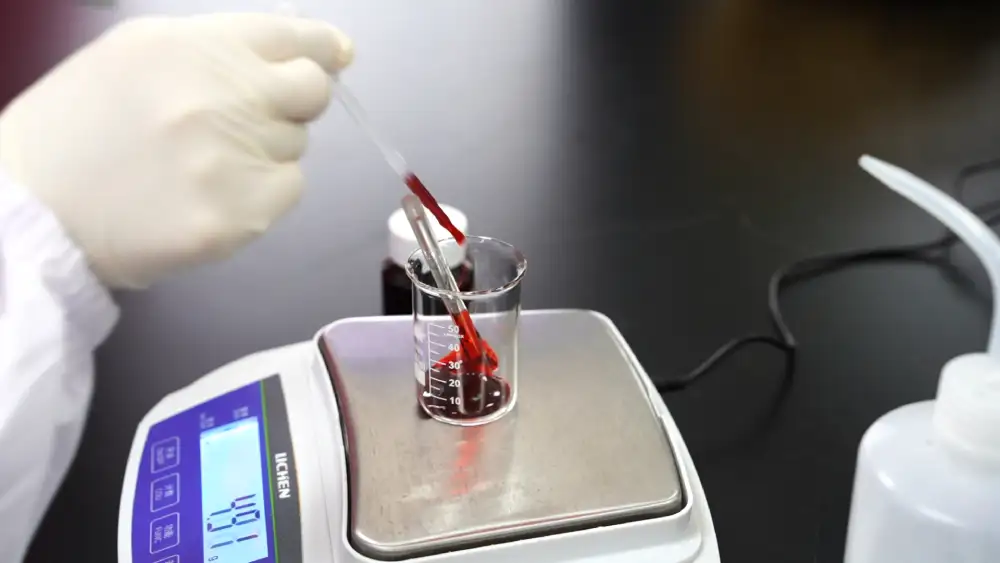
In theater or film, makeup artists often wear gloves when applying fake blood. They prep actors’ skin and keep the product away from eyes or open cuts.
During rehearsals, they test blood under stage lights to make sure it holds up—and doesn’t harm anyone. Many teams keep wipes and gentle removers close by for quick cleanups.
How Fake Blood Differs from Other Costume Makeup
Fake blood isn’t like regular costume makeup. It’s often stickier, messier, and more likely to stain. Understanding the difference can help you use it better.
Texture and Spreadability
Unlike cream makeup, fake blood is liquid or gel-based. Some types drip, others stay put for long shots or close-ups. Its texture changes how it moves on the skin.
Thinner blood runs easily but dries faster. Thicker gel blood can look more dramatic but may feel heavy on the skin.
Skin Compatibility and Washability
Regular costume makeup is designed to blend and come off cleanly. Fake blood can stick in skin folds, hair, or around the nails.
Many fake bloods need oil-based removers. So while it looks cool, it’s not as easy to wear or take off as a regular face paint.
What Dermatologists Say About Fake Blood on Skin
Skin experts have weighed in on fake blood. While most cases are safe, dermatologists urge users to be cautious—especially with repeated or long wear.
Key Recommendations for Safe Use
The American Academy of Dermatology (AAD) suggests testing any theatrical makeup before use. They recommend keeping fake blood away from sensitive areas.
Use a barrier product under the fake blood when possible. This can reduce dye transfer and skin irritation. Moisturize after removal to keep the skin barrier healthy.
Cautions for Sensitive or Eczema-Prone Skin
For people with eczema, rosacea, or chronic dryness, fake blood can trigger flare-ups. Dyes and preservatives may worsen redness or itching.
Dermatologists suggest using a skin-safe ointment first and avoiding long wear. If irritation begins, take the blood off and apply a soothing cream.
Conclusion
Fake blood can be safe on skin when used correctly, but always check ingredients, do a patch test, and avoid sensitive areas. Whether for costumes or fun, taking simple precautions helps keep the experience both realistic and skin-friendly.