Pretend makeup play has become a popular way for children to explore colors, textures, and self-expression safely. While the materials are simple, the experiences they create can engage creativity, fine motor skills, and social interaction.
What Is DIY Pretend Makeup for Play?
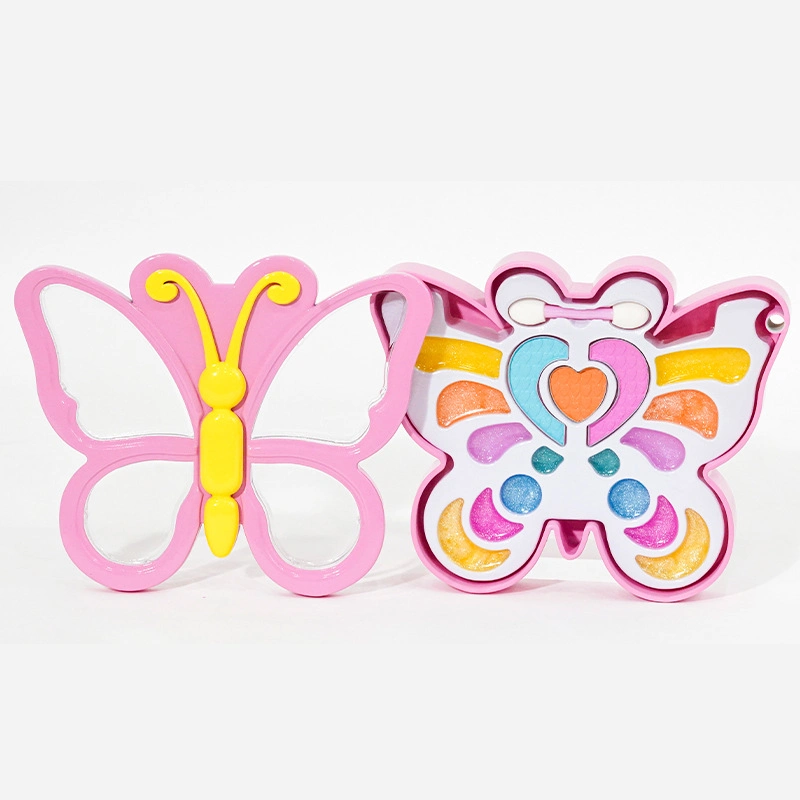
DIY pretend makeup refers to safe, child-friendly cosmetic-like materials designed for imaginative play. These items mimic the look and feel of real makeup but are non-toxic and soft, allowing children to explore without risk. Occupational therapy studies show that tactile, hands-on materials support early sensory and motor learning (Case-Smith & O’Brien, 2014).
Children often treat pretend makeup as tools for experimentation. They may swirl colors, layer textures, or practice applying “lipstick” on dolls. This hands-on exploration gives them direct feedback on cause and effect, as each brush stroke or dab produces an observable change.
Why Parents and Educators Are Interested in Pretend Makeup
Parents and teachers notice that pretend makeup draws children into focused, quiet play. Observations in early childhood classrooms suggest that children engage in role-play more when materials resemble real-life items (Bergen, 2002). This allows educators to integrate social learning and language practice without formal instruction.
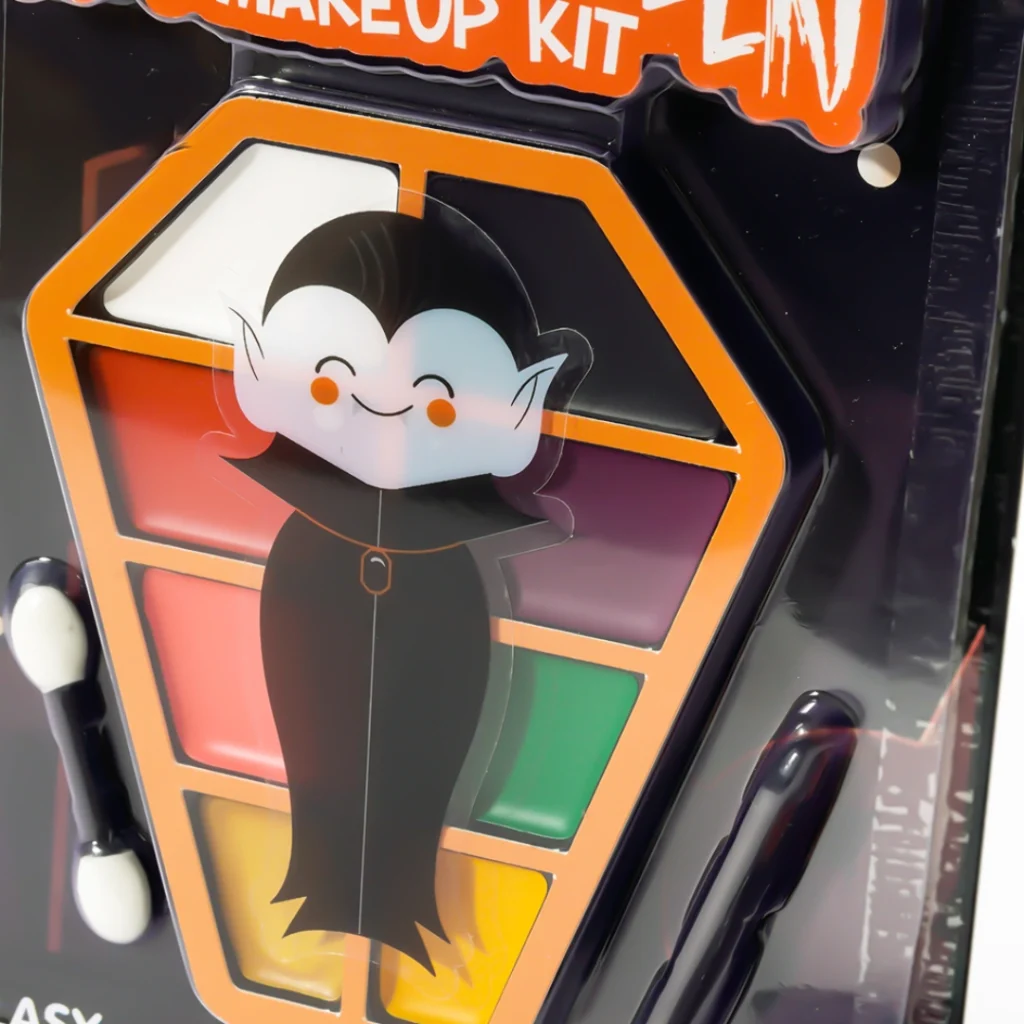
Interest also stems from the material’s flexibility. Pretend makeup can be shared, organized, or transformed into new shapes, encouraging cooperation, conversation, and creative problem-solving. Adults see it as a controlled way to support imagination, emotional expression, and hands-on engagement in a safe, low-pressure setting.
How Pretend Makeup Supports Creative Development
Pretend makeup gives children a safe way to explore creativity through play. By mimicking real-world tools, these materials engage imagination, visual attention, and artistic thinking.
Encouraging Imaginative Play and Storytelling
Pretend makeup often sparks role-play scenarios. Children may imagine themselves as artists, actors, or magical characters. Research in early childhood play suggests that such imaginative activities strengthen narrative skills and abstract thinking (Singer & Singer, 2005).
Storytelling through pretend makeup allows kids to sequence events, describe actions, and create mini “plots,” providing a natural framework for cognitive and social development without structured lessons.
Color Exploration and Visual Creativity
Pretend makeup exposes children to a range of colors and combinations. Studies in visual learning note that repeated interaction with diverse hues encourages color recognition and aesthetic judgment (Gibson, 2010).
Mixing shades or choosing combinations also challenges children to make visual decisions. This simple process develops attention to detail and an early sense of artistic experimentation.
Building Confidence Through Artistic Expression
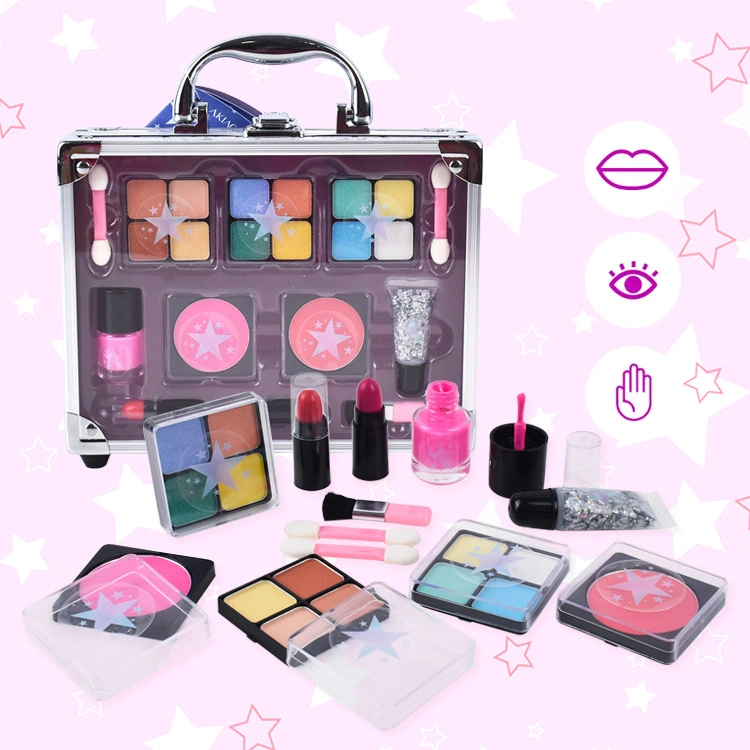
Applying pretend makeup allows children to make visible choices about color, placement, and design. This self-directed activity supports autonomy and boosts confidence. Research shows that child-led creative play encourages a sense of achievement, even in low-stakes settings (Russ, 2013).
Children can see tangible results of their actions, reinforcing decision-making and self-expression in a controlled, playful environment.
Fine Motor Skill Benefits of Pretend Makeup Play
Manipulating pretend makeup engages small muscles in the hands and fingers, promoting coordination and dexterity. These activities support early fine motor development and prepare children for future tasks like writing, buttoning clothes, or other self-care routines.
Hand-Eye Coordination Through Application Motions
Pretend makeup requires children to guide brushes, sponges, or fingers to specific areas. This repetitive motion helps refine hand-eye coordination, as the brain links visual input to precise motor control (Case-Smith & O’Brien, 2014).
Even small gestures, like applying pretend blush on a doll’s cheeks, train the eyes and hands to work together in a controlled way.
Precision and Finger Strength Development
Squeezing tubes, dabbing brushes, and swirling applicators all build finger strength and fine motor precision. Occupational therapists highlight these movements as foundational for writing, cutting, and manipulating small objects (American Occupational Therapy Association, 2020).
Regular pretend makeup play naturally incorporates these exercises into fun, engaging activities without feeling like structured therapy.
Early Preparation for Self-Care Routines
Handling pretend makeup mirrors real-world actions like brushing hair or washing the face. Repetitive play encourages awareness of motion, sequence, and timing—skills transferable to independent self-care.
Children practicing these motions in play gain confidence and familiarity, laying a foundation for hygiene routines and everyday independence.
Social and Emotional Learning with Pretend Makeup
Pretend makeup play offers children a platform to explore social interactions and emotions safely. By engaging in role-play and shared activities, kids can practice empathy, cooperation, and emotional awareness in ways that feel natural and enjoyable.
Role-Playing and Empathy Building
Pretend makeup encourages children to take on roles, such as a friend, character, or stylist. Studies in early childhood development suggest that role-playing helps children understand perspectives, intentions, and feelings of others (Bergen, 2002).
Through these scenarios, children practice empathy by responding to imagined needs and reactions. This hands-on approach allows social understanding to emerge naturally, rather than through explicit instruction.
Cooperative Play and Sharing Materials
Children often share pretend makeup tools and collaborate to create looks or tell stories. Shared play develops negotiation skills, turn-taking, and social awareness. Research shows that cooperative activities with manipulatives promote communication and collaborative problem-solving in early learners (Howes & Matheson, 1992).
Even brief exchanges—passing a brush or choosing colors together—reinforce positive social interaction, teaching children how to engage respectfully with peers.
Using Pretend Makeup to Explore Emotions
Pretend makeup can also serve as a safe medium for expressing feelings. Children may choose colors or patterns to reflect moods or create characters that display emotions. Observational studies suggest that symbolic play allows children to explore complex feelings without fear of judgment (Russ, 2013).
This process helps children identify and regulate emotions, enhancing self-awareness and emotional literacy in low-pressure, playful contexts.
Cognitive Development Through Pretend Makeup Activities
Pretend makeup play involves planning, sequencing, and testing outcomes, engaging cognitive processes like reasoning, attention, and problem-solving. These activities provide hands-on opportunities for early thinking skills in a creative and low-stress environment.
Planning and Sequencing Play Scenarios
Children often imagine the steps needed to create a look or role-play scenario. Sequencing actions—such as applying one color before another—supports cognitive planning and organizational skills. Developmental psychology research indicates that early sequential play strengthens executive functioning (Diamond, 2013).
This type of structured imagination allows children to anticipate results and refine steps, reinforcing logical thinking in a playful setting.
Cause-and-Effect Understanding with Safe Materials
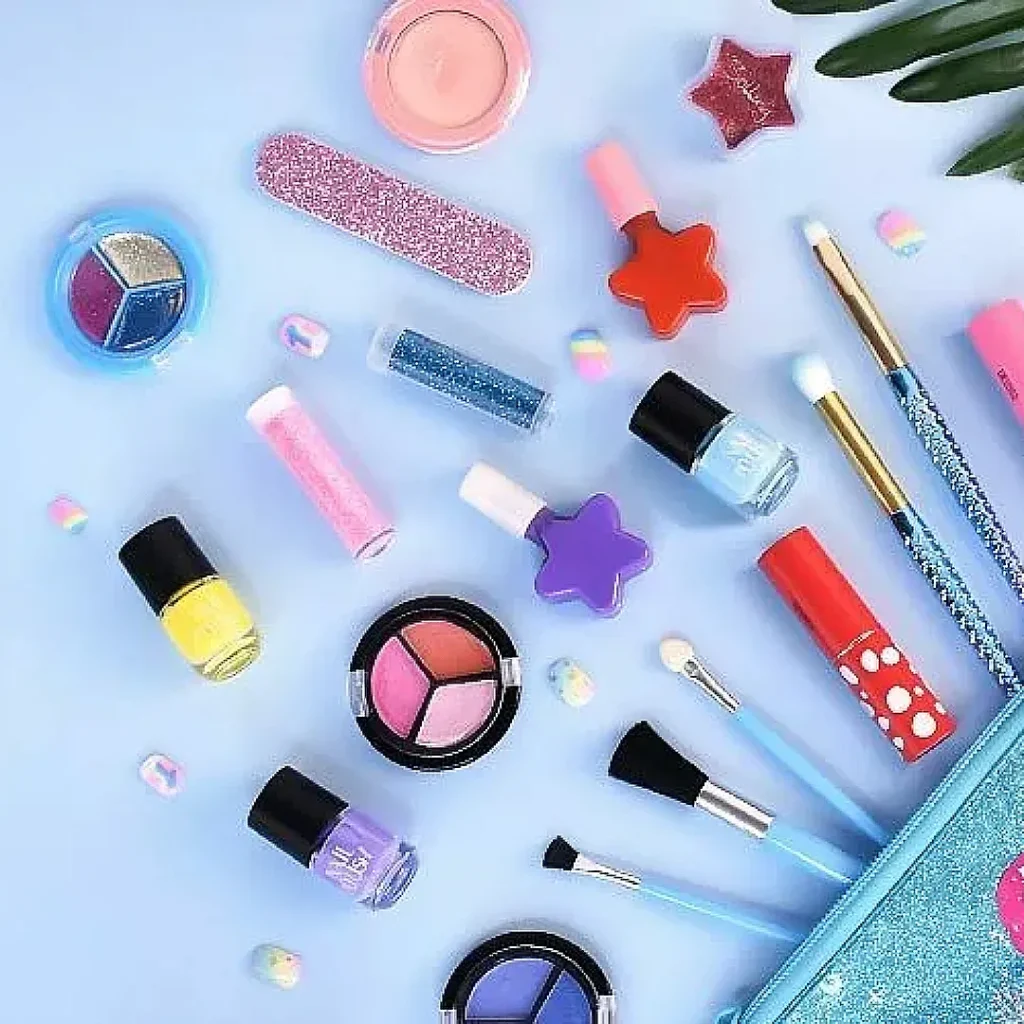
Pretend makeup provides immediate feedback: layering colors changes appearance, blending shapes alters design, and pressure affects texture. Observing these results teaches children cause-and-effect relationships. Hands-on exploration with safe, non-toxic materials allows repeated trials without risk, enhancing early scientific thinking (Gibson, 2010).
Such activities encourage experimentation, letting children understand that actions have predictable or surprising consequences.
Problem-Solving in Creative Setups
When children encounter unexpected results while using pretend makeup—like colors mixing differently than intended—they naturally engage in problem-solving. Research in play-based learning shows that adjusting strategies in response to outcomes builds flexible thinking and adaptive reasoning (Singer & Singer, 2005).
Children may test new techniques, adjust designs, or collaborate with peers to solve creative challenges. This low-pressure experimentation fosters critical thinking and persistence.
Language and Communication Skills in Pretend Makeup Play
Pretend makeup encourages children to talk about what they are doing, describe textures, and express ideas. These interactions naturally build vocabulary, communication, and early conversational skills in a playful context.
Expanding Descriptive Vocabulary Through Colors and Textures
Pretend makeup introduces children to a variety of colors, shades, and textures. Describing these elements helps expand vocabulary, as children learn words like “sparkly,” “smooth,” or “matte.” Studies show that connecting words to sensory experiences supports language development in early childhood (Biemiller, 2003).
Talking about color choices or brush strokes also encourages observation and precision in language, helping children articulate thoughts more clearly.
Collaborative Storytelling and Dialogue
When children play together with pretend makeup, they often create narratives or dialogue. Collaborative play provides opportunities to practice listening, turn-taking, and conversational structure. Research in early literacy emphasizes that joint storytelling improves both language and social communication skills (Nicolopoulou, 1997).
Children may assign roles, describe scenes, or discuss actions, reinforcing narrative understanding and shared meaning.
Expressing Personal Ideas and Preferences
Pretend makeup allows children to make independent choices about colors, styles, or characters. Expressing these preferences helps build confidence in communication. By explaining choices, children practice articulating thoughts and feelings, an important step in self-expression and early social competence.
Safety and Hygiene Considerations
Safety and hygiene are key when using pretend makeup. While materials are designed to be non-toxic, adult guidance ensures that play remains safe, clean, and developmentally appropriate.

Choosing Safe Materials for Pretend Makeup
Selecting non-toxic, hypoallergenic, and soft pretend makeup items reduces risk of skin irritation or ingestion. Pediatric recommendations suggest avoiding small parts for younger children to prevent choking hazards (American Academy of Pediatrics, 2019).
Safety also includes checking for strong scents or dyes that may cause discomfort.
Supervision and Age-Appropriate Guidelines
Adult supervision ensures children use pretend makeup safely and correctly. Experts recommend age-appropriate sets and structured guidance, especially for toddlers, to prevent misuse or accidental contact with eyes or mouth.
Supervision also allows adults to teach safe handling habits and model responsible play, which supports long-term safe practices.
Cleaning Up and Maintaining Healthy Play Practices
Hygiene habits such as washing hands before and after play, cleaning brushes, and storing materials properly are important. Consistent routines minimize germ exposure and teach children responsibility.
Organized cleanup also reinforces the structure of play sessions, helping children transition smoothly between activities and maintain a safe, enjoyable environment.
Accommodating Different Developmental Needs
Children vary widely in how they respond to pretend makeup. Some may be sensitive to textures or smells, while others seek intense tactile experiences. Understanding these differences helps adults tailor play for safety, comfort, and developmental benefit.
Supporting Sensory-Sensitive Children
Sensory-sensitive children may feel overwhelmed by certain textures or strong colors. Offering small amounts of pretend makeup, smoother textures, or tools like brushes instead of fingers can make play more comfortable. Observing reactions ensures children remain engaged without stress.
Gradual exposure and respecting boundaries allows these children to participate safely while still enjoying imaginative exploration.
Engaging Children Who Seek Extra Tactile Input
Some children seek strong tactile stimulation. Pretend makeup provides repeated motions, squeezing, and layering that meet these sensory needs. Allowing longer, hands-on sessions helps children channel energy productively while practicing fine motor control.
Adults can provide guidance and a structured space, letting children explore freely but safely.
Observing Individual Responses for Safe Play
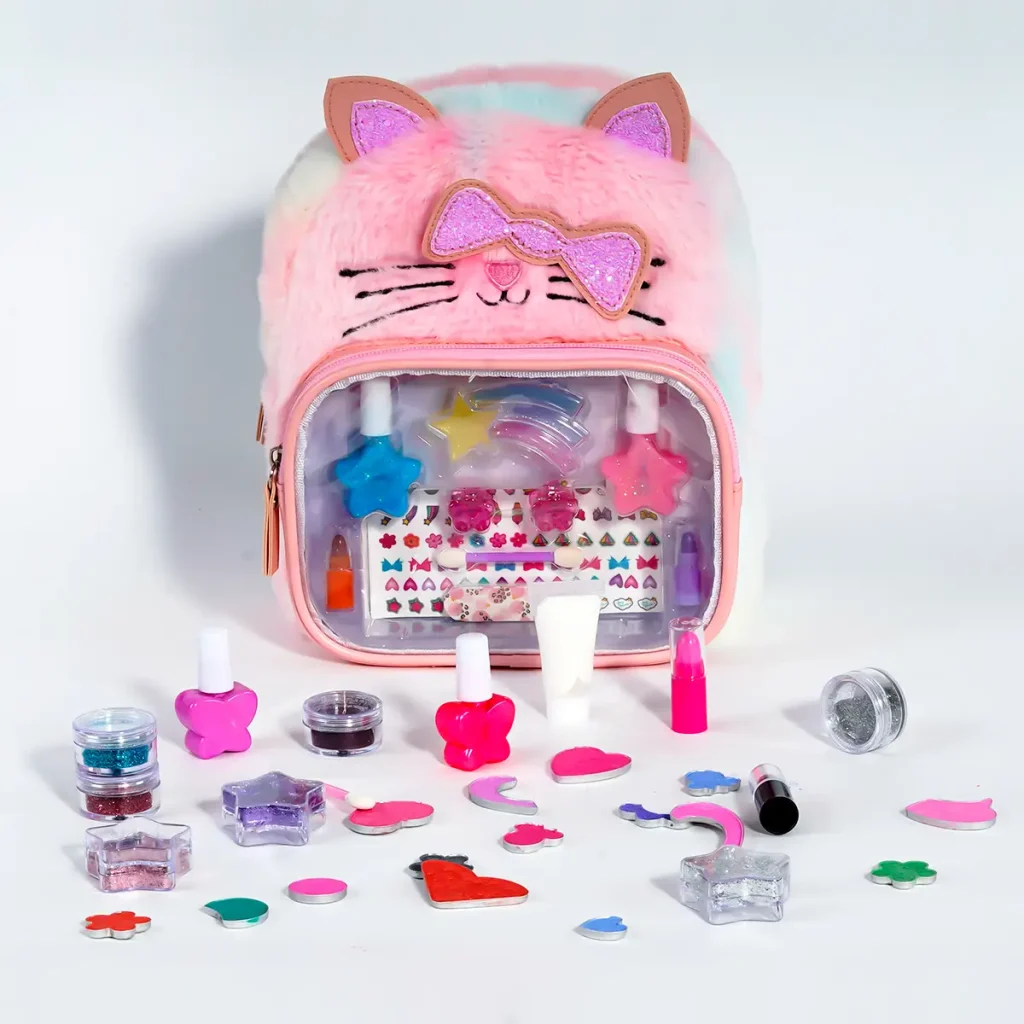
Caregivers should watch how each child interacts with pretend makeup. Signs of discomfort, avoidance, or overstimulation indicate the need for breaks or adjusted materials.
Tailoring the experience based on observations ensures positive, safe, and developmentally appropriate play for every child.
Practical Tips for Parents and Educators
Pretend makeup play is most effective when thoughtfully structured. Adults can guide sessions to balance creativity, learning, and safety while providing an organized and engaging environment.
Structuring Balanced Play Sessions
Short, consistent play sessions help children focus without fatigue. Combining pretend makeup with other sensory, cognitive, or physical activities supports overall development and prevents over-reliance on a single type of play.
Adults can rotate materials and set time limits, creating predictable routines that foster attention and enjoyment.
Encouraging Purposeful and Creative Exploration
Adults can prompt children with open-ended questions like “What colors will you use today?” or “Who is your character?” This encourages observation, planning, and imagination.
Purposeful exploration helps children make choices, test outcomes, and develop problem-solving skills while keeping play engaging and meaningful.
Setting Up an Organized and Fun Play Space
Providing a defined area with easy-to-clean surfaces, storage for materials, and clear boundaries helps children focus on play. Organization also reduces stress for adults and promotes responsibility in children.
A visually appealing, safe environment encourages children to engage fully, supports cooperation, and keeps pretend makeup sessions enjoyable and manageable.

Conclusion
DIY pretend makeup for little girls to play with offers a safe, hands-on way to explore creativity, social skills, and fine motor development. When guided thoughtfully, it supports imagination, emotional expression, and problem-solving while respecting each child’s individual needs.