Dye-free play makeup for kids is becoming a steady part of modern playrooms. Many families want color that comes from gentle sources instead of synthetic dyes. As play trends grow more creative, dye-free options give children space to explore beauty themes in ways that feel safer and easier to understand.
What “Dye-Free” Really Means in Children’s Cosmetics
Dye-free products remove synthetic colorants and rely on mild pigments or natural tints. The goal is not to chase bright shades but to keep the formula simple. This helps adults better understand what touches a child’s skin, especially during long play sessions.
In classrooms or at home, kids often use play makeup for role play or dress-up. When the color comes from soft, non-dye ingredients, the experience feels more like working with craft paints that are gentle by design. Kids can explore pretend beauty routines without the strong colors seen in standard cosmetics.
Why Parents Are Choosing Dye-Free Play Makeup
Many parents have seen how children test products in unpredictable ways—swiping colors across cheeks, hands, or even toys. Dye-free play makeup for kids lowers the number of bold pigments, which can help some families feel more at ease, especially when skin sensitivity runs in the family.
Parents also like having simpler ingredient lists. It makes conversations with kids easier, whether they talk about pretend beauty, colors, or how products are made. It turns makeup play into a guided learning moment rather than a rush to wash off bright marks.
How Dye-Free Products Fit Into Modern Play Trends
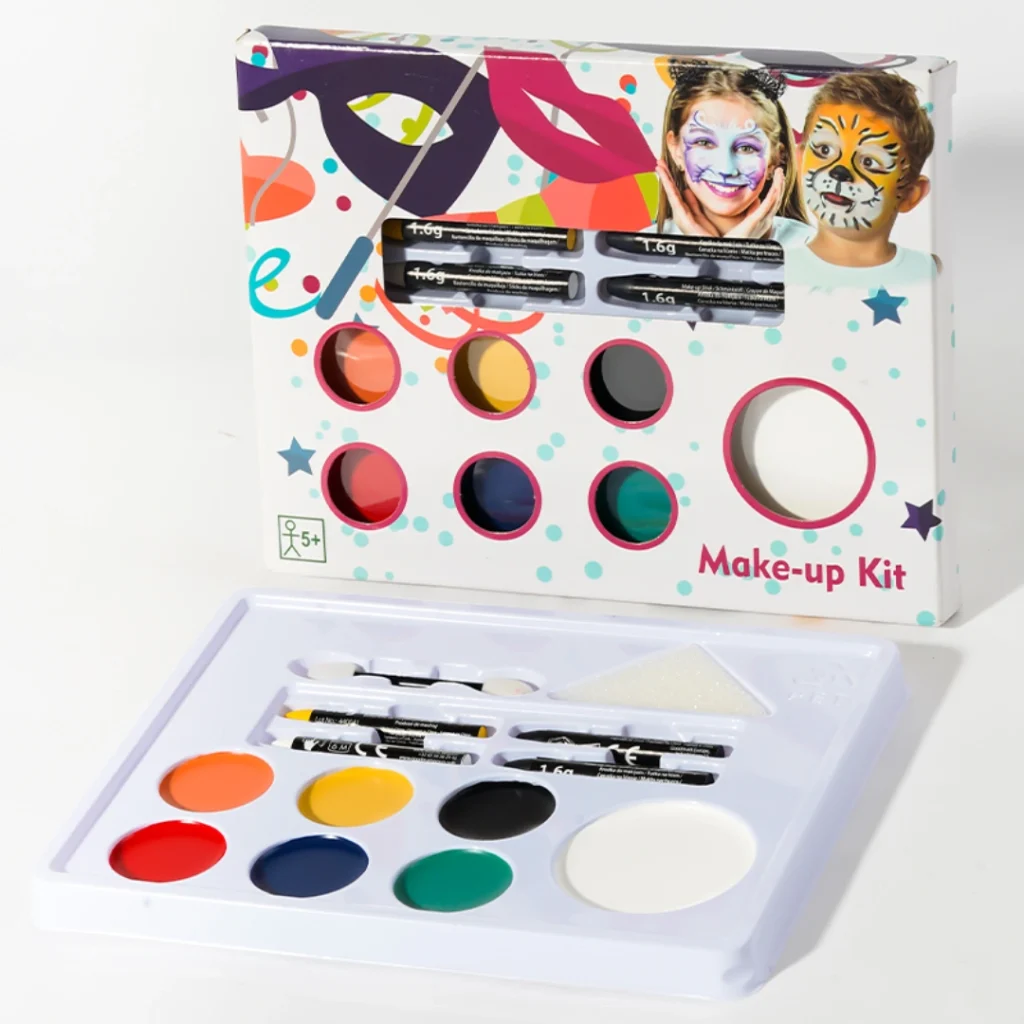
Today’s play styles often mix beauty themes with storytelling. Kids may turn a quiet afternoon into a fashion show or create characters with whole backstories. Dye-free play makeup fits into these trends because children don’t always need bold pigments; they want tools that let them act out ideas.
As play shifts toward open-ended activities—similar to using modeling clay, toy hair tools, or dress-up sets—makeup becomes part of imaginative worlds rather than a focus on color payoff. Dye-free formulas blend into this space, giving kids materials that support gentle, steady play instead of quick, intense effects.
Ingredients in Dye-Free Play Makeup
Dye-free play makeup for kids often uses gentler color sources and simpler ingredient groups. Instead of bright dyes, these formulas rely on minerals or mild tints that create softer shades. This approach helps parents understand what touches a child’s skin while still supporting imaginative makeup play.
Common Pigment Alternatives Used in Dye-Free Formulas
Many dye-free play makeup products use small amounts of mineral-based tints or plant-derived colors. These alternatives aim to add soft, natural tones rather than strong, saturated shades seen in typical cosmetics. Because the colors are mild, they often feel closer to craft materials kids already know.
Some formulas also use ingredients that create a hint of shimmer or warmth without behaving like classic synthetic dyes. These color sources give children a familiar “makeup look,” yet stay subtle enough for pretend play. This balance lets kids enjoy beauty themes without overwhelming pigment.
The Role of Natural Mineral Colorants
Natural mineral colorants help create soft, even tones in dye-free play makeup for kids. These minerals sit on the skin rather than soaking in, which keeps the makeup feeling light. Many caregivers like that these minerals act more like gentle surface pigments than intense colorants.
Because mineral powders come in calm shades—like pale pinks, warm browns, or light gold—they work well for beginner makeup play. Kids can swipe them onto cheeks or eyelids without creating sharp lines. This slower, smoother color helps young artists focus on storytelling instead of bold effects.
Ingredients Often Avoided in Traditional Kid Makeup
Traditional kid makeup often includes synthetic dyes or strong color additives. Dye-free play makeup reduces or removes many of these ingredients. This gives families a clearer picture of what is inside the product and how it behaves during play.
Other ingredients sometimes avoided include heavy fragrances or brightening agents that show up in adult cosmetics. Removing these extras keeps dye-free formulas simpler and easier for parents to explain. It also aligns with modern trends toward gentle, low-intensity beauty play for children.
Safety Considerations for Children
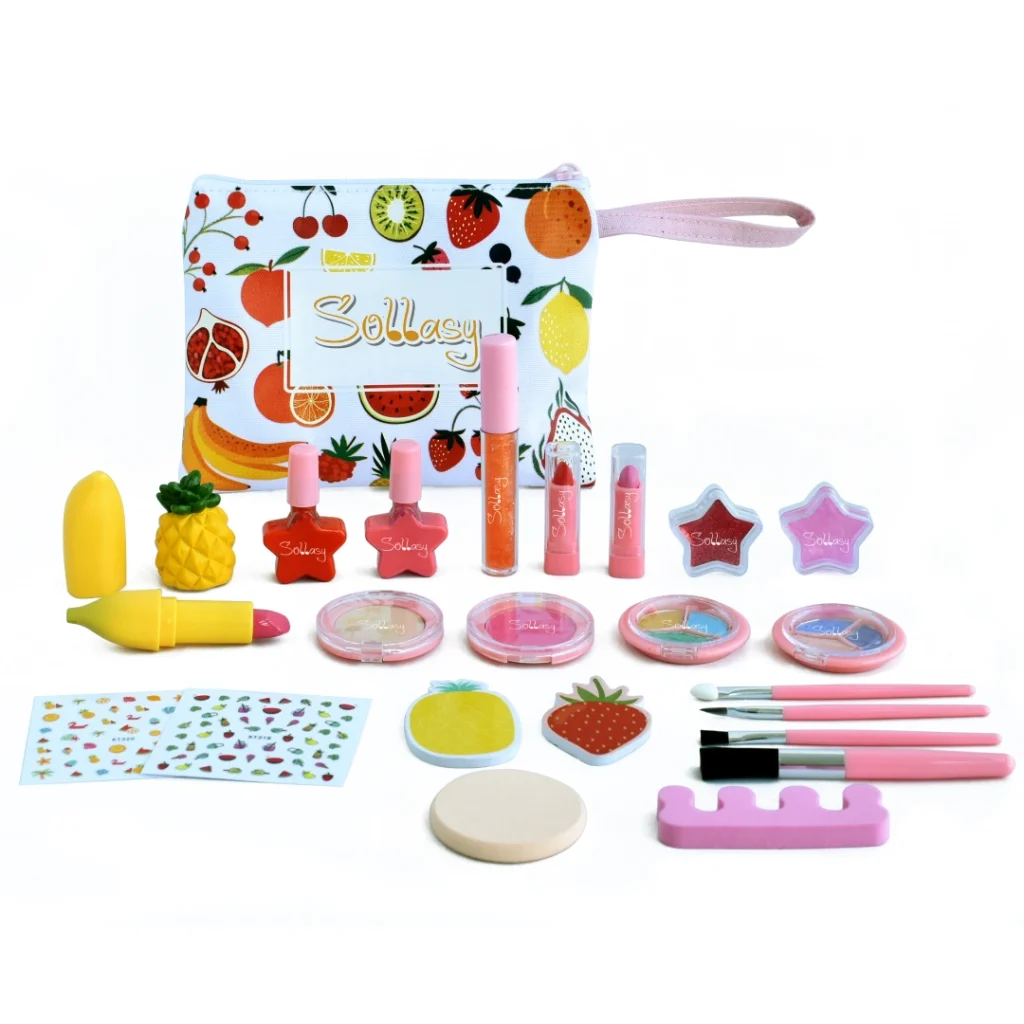
Safety plays a central role in dye-free play makeup for kids, since these products rest on young skin and are used during long periods of pretend play. Many families look for clear ingredient lists, simple formulas, and guidance that helps them understand how the makeup behaves during normal use.
Skin Sensitivity and Allergen Awareness
Children’s skin responds differently to cosmetic ingredients because it is thinner and loses moisture more quickly than adult skin, as noted in pediatric dermatology research (Foster et al., Pediatrics, 2019). This is why mild formulations matter, especially when colorants or shimmer particles are present.
Parents often watch for early signs of sensitivity, such as redness or dryness. Dye-free play makeup can make this process easier because the ingredient list tends to be shorter and simpler. When families know what is in the product, they can better understand how their child reacts during everyday play.
Patch Testing and Proper Use Guidelines
Patch testing is a simple way to check if a child may react to a new play makeup product. A small amount is placed on the inside of the forearm and observed for changes over the next 24 hours. This slow process gives caregivers a clearer picture before applying makeup to the face.
Proper use also helps keep the play experience safe. Children can be reminded not to share applicators, not to use makeup near the eyes unless the product is meant for that area, and to wash hands after play. These small habits support cleaner, more predictable use during pretend beauty routines.
Regulatory Standards for Children’s Cosmetic Products
Children’s cosmetic products fall under the same broad safety rules as other personal-care items, but many countries include extra guidance for labeling and ingredient review. These guidelines focus on clarity, proper handling instructions, and accurate identification of colorants and preservatives.
While dye-free play makeup skips certain synthetic dyes, it still must meet general cosmetic safety rules before reaching the market. This includes proper documentation and compliance with ingredient limits. Such standards help ensure that products designed for young users stay within predictable safety boundaries.
Benefits of Using Dye-Free Play Makeup
Many families choose dye-free play makeup because it fits well with the way children explore color, pretend play, and personal expression. By removing certain synthetic dyes, these products often feel simpler and easier to understand, which can help parents support safe and relaxed beauty play at home.
Reduced Risk of Irritation
Dye-free play makeup uses color sources that tend to be easier for caregivers to track. When ingredient lists are shorter, parents can better spot items their child has reacted to in the past. This awareness supports calm play, especially for kids with delicate or reactive skin.
Even though no makeup is completely risk-free, limiting common dye additives can help families observe skin changes more clearly. If a child notices a mild itch or dryness, caregivers can react sooner and adjust how long the makeup stays on during pretend play sessions.
Cleaner Play Environments
Many parents notice that dye-free products leave fewer marks on tables, dress-up clothes, and play mirrors. Because the formulas skip certain synthetic colorants, any color transfer is often lighter and easier to remove with simple cleaning routines.
This can help keep shared spaces tidy. Children also learn how to care for their play area by wiping tools, putting lids back on containers, and storing items safely. These small habits help them enjoy beauty play without clutter building up around them.
Encouraging Healthy Makeup Habits Early
Dye-free play makeup gives kids a simple entry point into learning about products used on the skin. When the ingredients feel less confusing, children can hear clear explanations from caregivers about why certain items are chosen and how they should be used.
Over time, these small lessons encourage thoughtful habits, like washing hands before and after makeup play or giving the skin breaks between applications. These patterns help children grow more mindful about what they put on their bodies as they explore beauty play in a fun, gentle way.
Types of Dye-Free Play Makeup
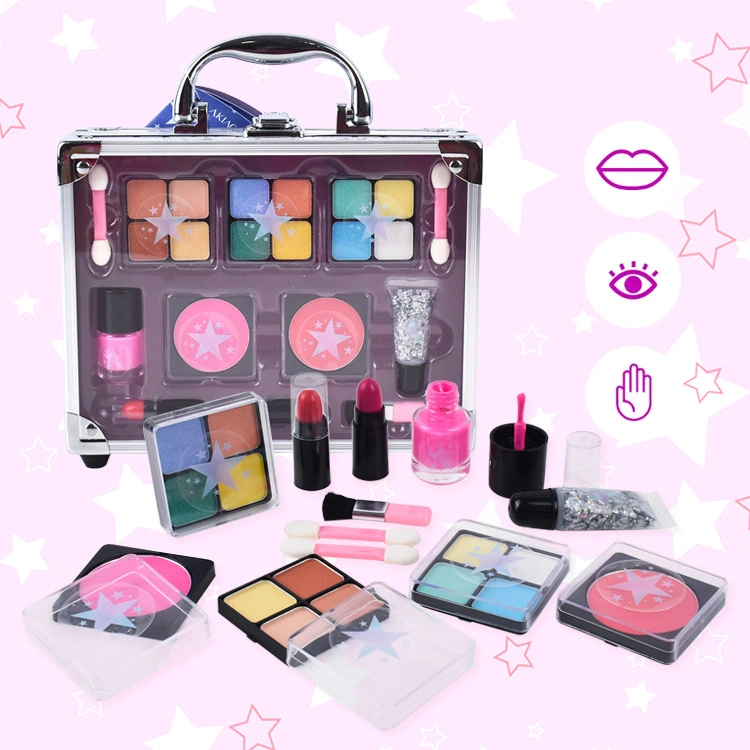
Dye-free play makeup comes in several forms, and each type supports a different style of pretend play. Some mimic real cosmetic textures, while others focus only on the look and feel of makeup tools. These options let kids explore color and creativity in safe and low-pressure ways.
Powders, Blushes, and Bronzers
Dye-free powders often use gentle mineral colorants that sit lightly on the skin. Their soft texture allows children to brush them on like real makeup without strong or bold color shifts. This gives young kids a simple way to mimic grown-up routines.
Blushes and bronzers in dye-free formulas tend to offer subtle tones rather than dramatic shades. Because the colors stay faint, kids can try sweeping motions with small brushes and learn how pressure changes the final look during pretend play.
Balms, Glosses, and Creams
Balms and glosses in dye-free play makeup usually rely on natural waxes or plant-based oils for smoothness. These products feel soft and easy to spread, which helps kids understand how creamy textures move across the skin.
Cream formulas provide a different sensory experience. They blend more slowly than powders and encourage kids to make gentle tapping motions with their fingers or small applicators. This slower pace often fits well with calm and focused pretend beauty routines.
Pretend-Only or “Imaginative Play” Makeup Options
Some dye-free play makeup products are designed only to look like real cosmetics without leaving color on the skin. These items often include empty compacts, soft applicators, and light-reflecting surfaces that mimic shine without any transfer.
Imaginative-play makeup gives kids the feeling of a beauty set while avoiding skin contact entirely. These sets are popular for young children who enjoy acting out daily rituals, such as getting ready for a “party,” a “stage show,” or a made-up family event.
How Dye-Free Makeup Is Made
Dye-free play makeup is created through a careful process that replaces synthetic dyes with gentler color sources. Makers focus on texture, stability, and skin-friendly ingredients. Because the products are meant for kids, each step must stay controlled and well-documented.
Basic Formulation Steps Without Synthetic Dyes
Dye-free formulas begin with a base, such as a powder blend or a mild wax system. From there, mineral or plant-derived pigments may be added in small amounts. These colorants usually offer soft tones rather than bright shades, which helps keep the product gentle.
After the base and pigments are mixed, the blend is tested for even distribution. Smooth and uniform mixing keeps the makeup consistent each time a child uses it. This stage also helps makers confirm that the product will keep its shape or flow as intended.
Texture, Stability, and Color Development
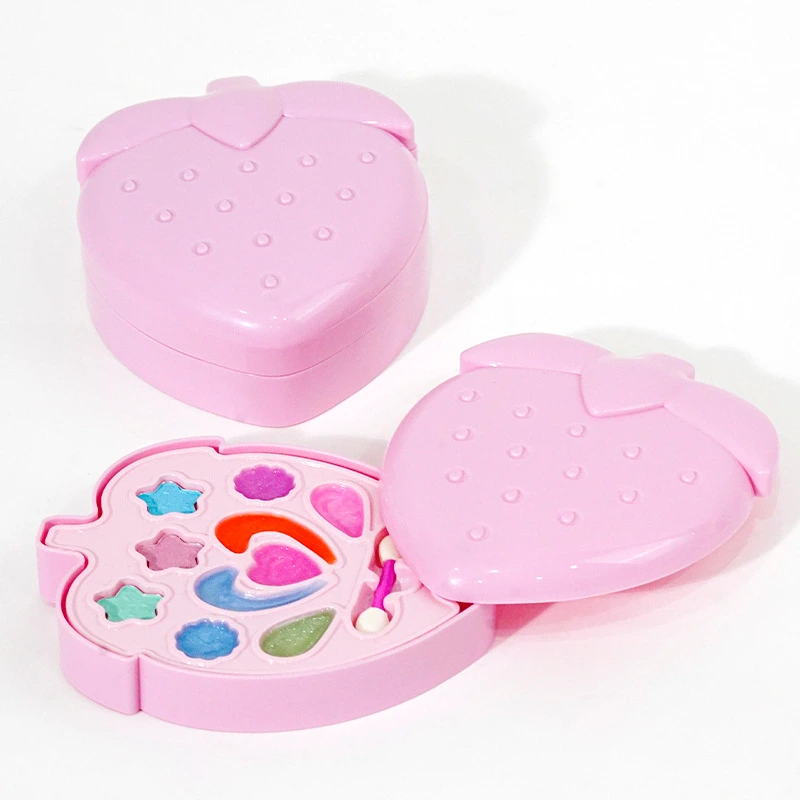
Dye-free makeup often needs added structure to feel pleasant on the skin. Stabilizers or binders help powders stay loose and creams stay smooth. These materials are selected for mildness so children can use the product during play without strong odors or heavy residue.
Color development works differently without synthetic dyes. Mineral pigments may shift slightly depending on light or pressure. Because of this, makers test small batches to see how the color responds during brushing, tapping, or blending—movements common in kids’ pretend routines.
Safe Manufacturing and Quality Control Practices
Facilities that produce dye-free play makeup follow strict cleanliness rules. Tools, mixers, and containers must be sanitized before each batch. This reduces the risk of contamination that could affect texture or introduce irritants to a child’s skin.
Quality checks continue after the product is made. Each batch may be reviewed for consistency, pH level, and stability under normal room temperatures. These reviews help ensure the makeup stays predictable and safe during everyday play.
Teaching Kids About Makeup Through Play
Dye-free play makeup can help kids explore beauty in a calm, low-pressure way. Through simple brushes and soft colors, children learn about their faces and feelings. These small moments of pretend play often open space for imagination, communication, and confidence.
Supporting Creativity and Imagination
When kids use play makeup for kids, they often create little stories around it. A child might pretend they are getting ready for a show or trying out a new character. These scenes help them make sense of emotions, actions, and roles they see in daily life.
Imaginative play also encourages kids to combine different ideas. A soft shimmer may inspire a new costume, or a gentle blush might spark a new role in their game. These small choices support flexible thinking and simple creative problem-solving.
Lessons in Body Awareness and Self-Expression
As children explore their faces with a brush or sponge, they learn basic body awareness. They notice cheeks, brows, and lips, and they begin to understand how each part moves. This quiet observation often happens naturally during play.
Dye-free play makeup also lets children try safe forms of self-expression. They may choose certain colors to reflect a mood or match a character. With each choice, they practice sharing feelings without needing many words.
Using Play Makeup to Build Confidence
Many kids enjoy the small sense of control that comes with applying pretend makeup. They decide where color goes and how much to use. These choices often help them feel capable, especially when they see a result that matches their idea.
Confidence can also grow when children use play makeup in group settings. Taking turns, giving compliments, and listening to others becomes part of the experience. These moments, though simple, can help children feel seen and valued.
Dye-Free Play Makeup for Different Age Groups
Dye-free play makeup can support kids at many stages, but each age group interacts with it in different ways. Younger children focus on touch and simple motions, while older kids explore detail and self-expression.
Gentle Options for Toddlers
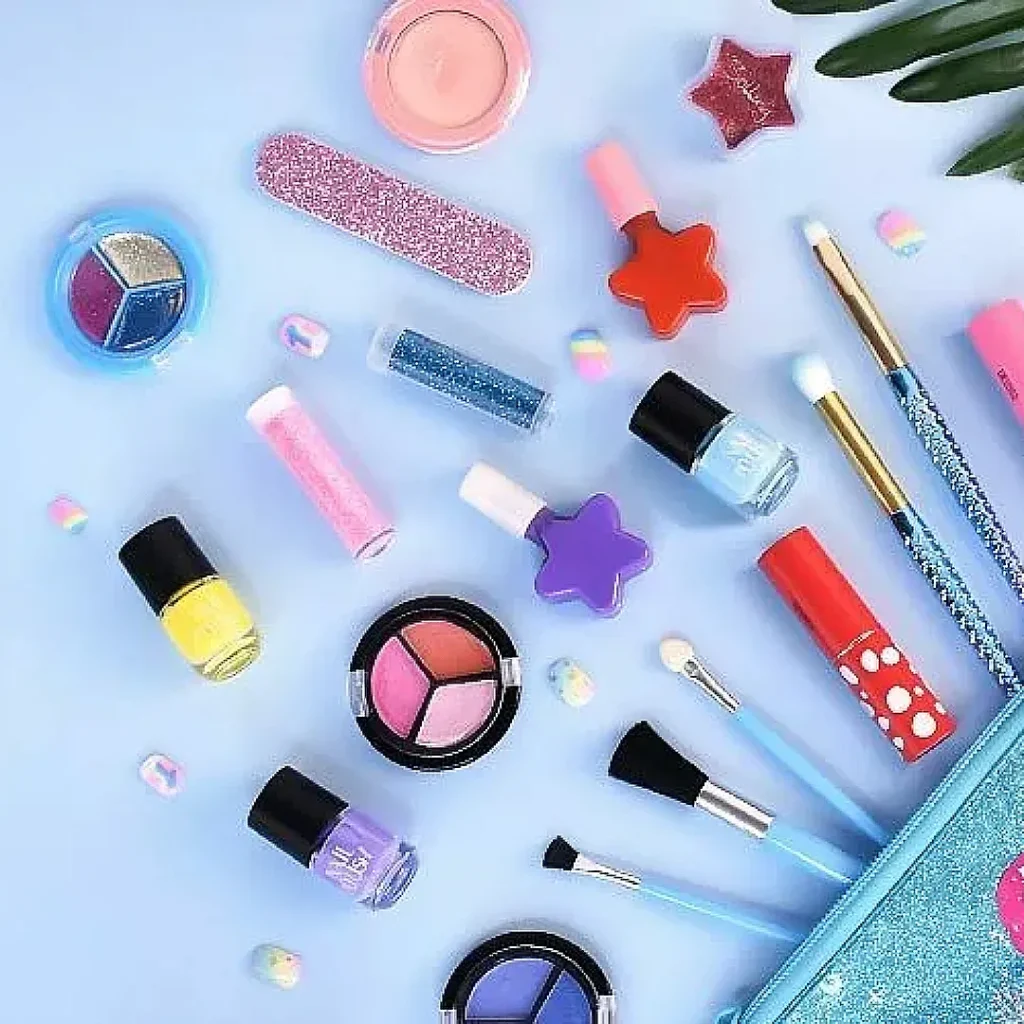
Toddlers mainly explore through touch, so soft textures and simple colors work best. At this age, play makeup for kids acts more like a sensory tool than a beauty item. They enjoy light brushing motions and smooth surfaces that do not overwhelm their skin.
Because toddlers often imitate adults, makeup play gives them a calm way to explore routines they see every day. Short sessions with gentle products help them learn basic motions without needing fine motor control or complex choices.
Beginner-Friendly Sets for Preschoolers
Preschoolers enjoy choosing colors, even if the shades are mild. Dye-free options help keep the focus on play, not strong pigments. Kids at this stage may blend pretend powders or tap soft balms as they develop early coordination.
These children also begin forming simple stories. A brush stroke can become part of a larger scene—maybe a dance show or a pretend morning routine. Makeup play helps them practice sequencing, planning, and basic social skills in a relaxed way.
More Detailed Makeup Play for School-Age Kids
School-age children often want more control and detail. They may enjoy creating small looks or trying light layers on pretend palettes. Dye-free play makeup lets them explore these ideas while keeping pigments gentle and easy to adjust.
Older kids may also use makeup play as a form of personal style exploration. They might match colors to an outfit or character, or test different textures. These choices support growing independence while keeping the experience safe and age-appropriate.
Maintenance, Storage, and Hygiene
Proper care of dye-free play makeup ensures that products stay safe, clean, and fun to use. Storing items correctly, teaching children hygiene habits, and understanding shelf life helps prevent contamination and supports long-lasting, worry-free play.

Keeping Products Clean and Fresh
Containers should be closed tightly after each use to prevent dust and germs from mixing with the makeup. Using clean brushes or applicators reduces the risk of bacteria spreading, keeping the product safe for repeated play.
Parents or caregivers can also occasionally wipe surfaces and tools with a damp cloth. This small step helps maintain freshness and ensures that colors and textures remain consistent for future play sessions.
Teaching Kids Safe Hygiene Habits
Children can learn simple hygiene practices while playing. Washing hands before and after using makeup teaches responsibility and shows how products interact with the skin safely.
Guidance during play encourages sharing only with proper tools. Kids begin to understand that hygiene protects both the product and themselves, reinforcing lessons they can use in everyday routines.
Understanding Shelf Life in Dye-Free Cosmetics
Even gentle, dye-free formulas have a limited lifespan. Exposure to air, moisture, or light can change texture and smell over time. Parents should check expiration indicators or inspect products for changes before allowing use.
Properly stored products last longer and remain safe. Keeping them in a cool, dry place away from direct sunlight helps maintain texture and quality, making play sessions enjoyable and worry-free.
Environmental and Ethical Considerations
Dye-free play makeup can reflect both safety and environmental responsibility. Choosing eco-friendly packaging, sustainable ingredients, and transparent formulations helps minimize the ecological footprint while keeping products safe and enjoyable for children.
Eco-Friendly Packaging Options
Packaging can significantly impact the environment. Biodegradable containers, recyclable plastics, or refillable cases reduce waste from children’s play makeup. Even small choices in packaging materials can influence overall sustainability.
Parents and educators can guide children to store products carefully, reducing the need for replacements. Thoughtful reuse of containers also teaches kids early lessons about conservation and responsible product use.
Sustainability in Dye-Free Formulas
Sustainable dye-free formulas often rely on naturally derived pigments and minimal synthetic additives. This reduces environmental contamination from manufacturing and disposal. Careful ingredient selection ensures products are gentle for kids and kind to the planet.
Manufacturers may test small batches to ensure safety and consistency while minimizing waste. This approach balances the need for fun, creative play with ecological responsibility.
The Push Toward Cleaner, More Transparent Kids’ Products
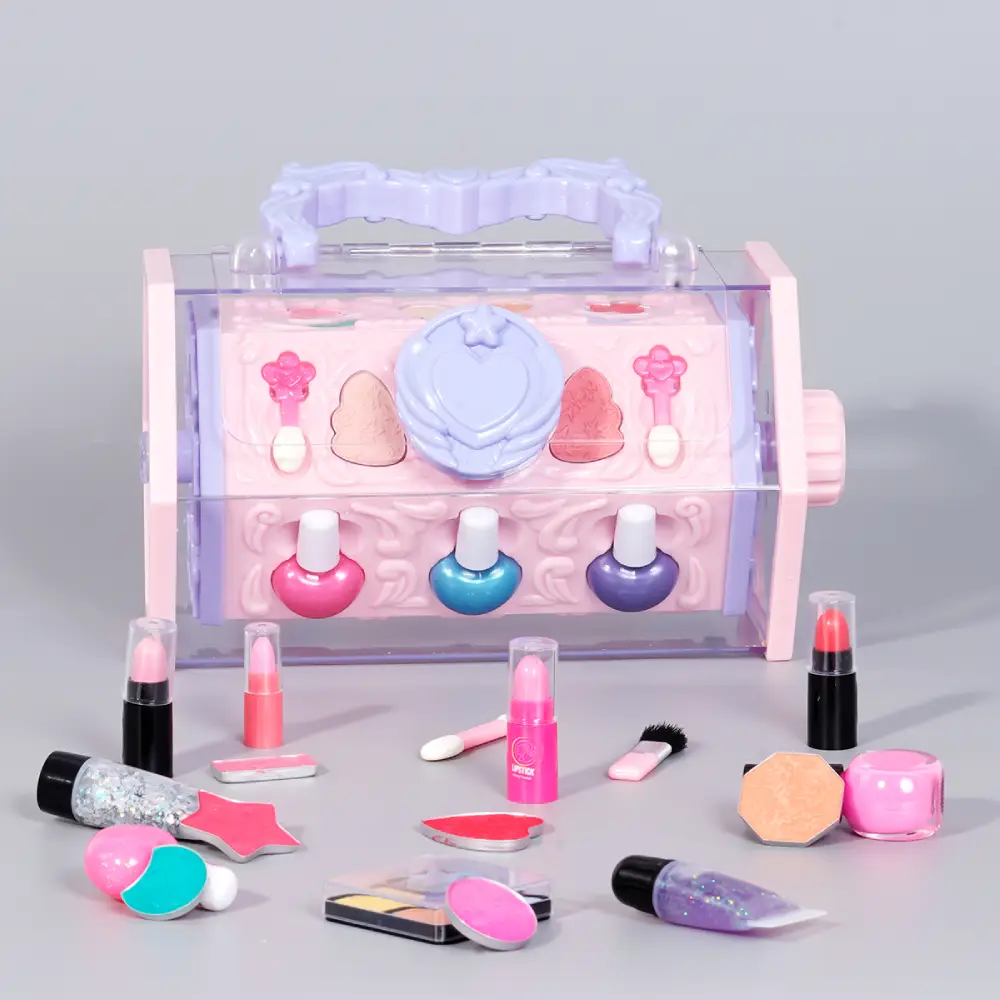
Parents increasingly look for clarity in ingredient lists and sourcing practices. Transparency builds trust and encourages safer choices for children’s makeup play.
Clean formulas also allow caregivers to monitor allergens and avoid unnecessary chemicals. The shift toward open communication about ingredients aligns with broader trends in responsible, eco-conscious consumerism.
Conclusion
Dye-free play makeup offers a safe, creative, and eco-friendly way for children to explore self-expression. With gentle ingredients, proper hygiene, and thoughtful guidance, kids can enjoy imaginative play while learning about safety, creativity, and responsible product use.