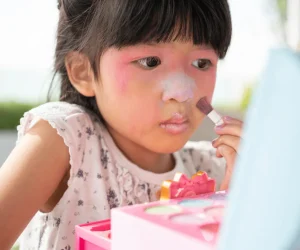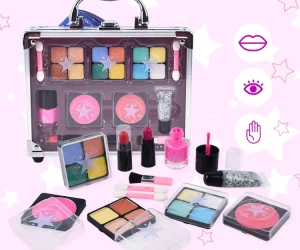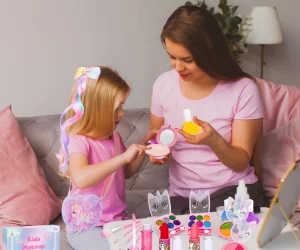
Face paint and foundation are designed for different purposes, so their composition varies significantly. Face paint is usually more water-based and flexible, while foundation often contains oils and emulsifiers for longer wear.
Water-Based vs Oil-Based Formulas
Water-based formulas dominate face paint because they allow colors to spread evenly and dry quickly. They are easier to wash off and usually contain fewer heavy chemicals, which reduces the risk of irritation. Water-based paints also stay soft on the skin and adapt well to detailed designs.
Oil-based formulas are more common in foundation. Oils and emollients help blend pigment smoothly and provide longer-lasting coverage. However, oil-based formulas may clog pores or feel heavier on sensitive or young skin. Careful selection is important, especially for children or those with reactive skin.
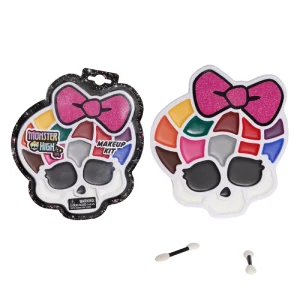
Pigments, Dyes, and Coverage Differences
Face paint typically uses highly pigmented colorants to create bright, opaque designs. The goal is bold visual impact rather than subtle blending. Coverage is often buildable, but layers can crack if applied too thickly or if the skin moves a lot.
Foundation pigments are formulated to match skin tones and create even coverage rather than bright color. They are usually finely milled to blend seamlessly and provide a uniform appearance. The focus is on natural skin correction instead of artistic expression.
Natural vs Synthetic Colorants
Both face paint and foundation may use natural or synthetic colorants, but their selection depends on safety, stability, and desired effect. Natural pigments, like iron oxides or mineral powders, are generally gentler on sensitive skin but can be less vibrant.
Synthetic pigments are manufactured to be highly stable and consistent in color. They allow vivid shades in face paint and uniform tones in foundation. All pigments intended for skin use must meet strict safety standards, especially for children, to minimize risk of irritation or absorption.
Skin Safety Considerations
Safety is a key factor when choosing between face paint and foundation. Some ingredients can irritate the skin, especially for children or people with sensitive skin.
Ingredients That May Cause Irritation
Certain preservatives, fragrances, or heavy pigments can trigger redness, itching, or rashes. Ingredients like strong alcohols, synthetic dyes not tested for pediatric use, or high concentrations of essential oils may be problematic.
Even commonly used stabilizers or thickeners can irritate sensitive skin if overused. It is important to check labels for known irritants and consider doing a small patch test before full application.
Sensitivity Differences Between Children and Adults
Children’s skin is thinner and has a weaker barrier than adult skin. This means chemicals can penetrate more easily and reactions may appear faster.
Adults may tolerate ingredients that children cannot, including certain synthetic pigments or long-lasting emulsifiers. Products formulated for adults may also contain stronger fragrances or higher concentrations of preservatives, which can be harsh on young skin. Careful product selection is essential to avoid discomfort or allergic reactions.
Application Techniques for Face Paint vs Foundation
The way face paint and foundation are applied affects both appearance and skin health. Correct techniques help achieve smooth results while reducing irritation or uneven coverage. Tools, methods, and layering all play a role in how these products perform.
Tools and Methods for Smooth Application
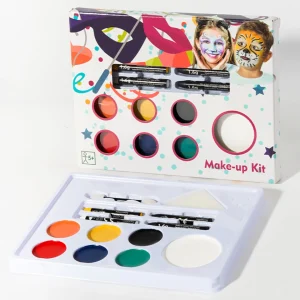
Face paint is often applied with brushes, sponges, or fingers, depending on the size and detail of the design. Soft, clean brushes allow precise lines, while sponges help cover larger areas evenly. Using damp sponges or brushes can improve pigment transfer and reduce streaks.
Foundation is usually applied with brushes, sponges, or fingertips. Dense brushes and damp makeup sponges allow even blending and prevent patchiness. Applying light pressure and short strokes helps avoid overloading the skin with product, which can clog pores or feel heavy.
Layering, Blending, and Buildable Coverage
Face paint is designed to be buildable. Applying thin layers first allows control over opacity and prevents cracking as the paint dries. Blending edges between colors can create smooth transitions without muddying bright pigments.
Foundation coverage is also buildable but focuses on matching skin tone. Thin layers allow natural blending and prevent cakiness. Lightly layering and blending into the skin ensures even coverage and reduces the chance of irritation from thick applications.
Wear, Longevity, and Removal
Longevity is influenced by formula type, skin condition, and environmental factors. Removal techniques also differ and are important for preventing irritation.
How Long Each Product Lasts on the Skin
Face paint is usually water-based and designed for temporary use. It can last from a few hours up to a full day depending on activity, sweat, and friction. Thicker layers or oil-based face paints may last slightly longer but can crack or transfer more easily.
Foundation is formulated for longer wear, often remaining intact for 8–12 hours under normal conditions. Oil-based or hybrid foundations resist sweat and light water exposure better than purely water-based formulas. However, prolonged wear may stress sensitive skin if the product is not fully compatible.
Safe Removal Practices for Delicate Skin
Face paint should be removed gently with mild soap and lukewarm water or hypoallergenic wipes. Avoid scrubbing, as friction can irritate the skin or worsen dryness. Removing paint soon after use prevents pigment from settling into pores.
Foundation removal should also use gentle cleansers or micellar water. For sensitive skin, using a soft cotton pad or sponge is preferable. Follow up with a light moisturizer to restore hydration and support the skin barrier, especially for children or individuals prone to irritation.
Hydration and Skin Conditioning
Both face paint and foundation interact with the skin’s natural moisture. Formulations often include hydrating ingredients and barrier-supporting agents to reduce irritation, maintain comfort, and protect the skin during use.
Moisturizers and Emollients in Foundation vs Face Paint
Foundations often contain emollients and light oils that help pigments blend smoothly and prevent dry patches. These ingredients soften the skin and maintain hydration during wear.
Face paints, especially water-based ones, may include humectants like glycerin to attract moisture and prevent cracking. While less rich than foundation, these agents keep paint flexible and reduce friction when applying or removing the product.
Protecting Skin Barrier During Makeup Use
Barrier protection is important, especially for children or sensitive skin. Ingredients such as light silicones, mild oils, or skin-conditioning agents form a thin layer that minimizes direct contact between pigments and skin.
This layer helps reduce irritation, redness, or dryness during extended wear. Applying a gentle moisturizer before makeup can further support the skin barrier and improve both comfort and appearance.

Special Considerations for Kids
When applying face paint or foundation to children, safety is the top priority. Children’s skin is more delicate and prone to reactions, so careful selection and testing of products is essential.
Choosing Non-Toxic, Pediatric-Safe Ingredients
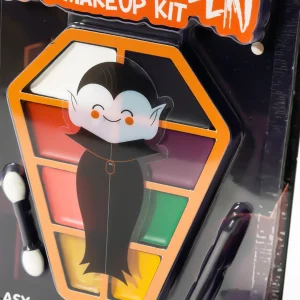
For kids, only makeup formulated with non-toxic, pediatric-safe ingredients should be used. These products avoid harsh preservatives, strong fragrances, and heavy synthetic chemicals.
Pigments and dyes are tested for minimal absorption and irritation. Reading labels and verifying safety standards helps ensure that products are appropriate for young skin.
Patch Testing and Monitoring for Reactions
Before full application, a small patch test on the inner arm or behind the ear can identify potential allergic reactions. Monitor for redness, itching, or swelling for at least 24 hours. If any reaction occurs, the product should not be used. Continuous observation during wear also ensures that children remain comfortable and safe.
Creative Uses vs Everyday Makeup
Face paint and foundation serve different purposes, so choosing the right product depends on the occasion.
When Face Paint Is Ideal for Fun or Theatrical Looks
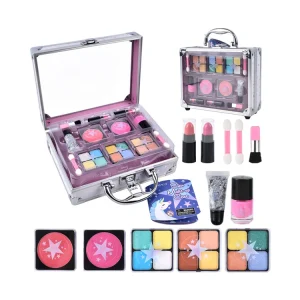
Face paint is best for bold, colorful designs, costume parties, or theatrical events. Its bright pigments and buildable layers allow creative expression. Temporary wear and easy removal make it suitable for children and short-term events.
When Foundation Fits Daily or Light Coverage Needs
Foundation is designed for subtle, everyday coverage. It evens out skin tone, minimizes blemishes, and provides a natural appearance. For light daily wear, foundation is preferred over face paint because it is less likely to crack or feel heavy on the skin.
Conclusion
Face paint and foundation serve different purposes and contain distinct ingredients. Understanding their composition, application, and safety considerations helps caregivers choose products suitable for children or sensitive skin. Proper selection, gentle application, and careful removal ensure fun, creative, and safe makeup experiences.