Kids often paint their nails during play, parties, or craft time. Later, they may need to take the polish off quickly. However, nail polish remover is not always nearby. In these moments, parents and kids look for simple ways to clean the nails while keeping them safe.
How to Remove Nail Polish Without Remover Using Simple Household Techniques
When remover is not around, a few simple household items can help loosen nail polish. These methods rely on mild friction, moisture, or small amounts of solvent. None work as fast as acetone, but they can reduce the polish layer little by little.
The key is patience. Children should avoid scraping or peeling the polish. Instead, they should soften the surface first and then wipe or rub gently. This lowers the risk of scratching the nail plate or irritating the skin.
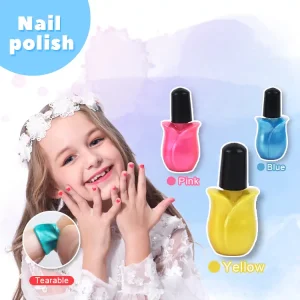
The “Fresh Nail Polish” Method
This method may sound strange at first. However, many nail technicians use it when remover is not ready. Fresh polish contains solvents that can soften the layer underneath before it fully dries.
When done slowly, the softened polish can be wiped away with a cloth or tissue. The process works best on regular nail polish rather than glitter or gel formulas.
Why applying a new coat can loosen old polish
Nail polish contains solvents such as ethyl acetate or butyl acetate. These liquids keep the polish smooth in the bottle. When applied to the nail, they begin to evaporate.
If a fresh layer is placed on top of old polish, the solvent briefly softens the hardened film below. During this short window, the old polish becomes easier to wipe away before the new layer dries.
Step-by-step process kids can follow safely
First, apply a thin layer of nail polish over the old color. Do not wait for it to dry. After a few seconds, press a soft tissue or cotton pad onto the nail.
Next, wipe the nail from the base to the tip. Some polish should come off with the swipe. Repeat the process if needed, but work slowly and keep the wiping gentle.
The Warm Water and Soap Soaking Method
Warm water alone will not dissolve nail polish. Still, soaking can soften the edges of the polish layer and the skin around the nail. This makes gentle rubbing easier.
This method is one of the safest options for children. It uses common items and does not involve strong chemicals. However, it usually takes more time than other techniques.
How soaking softens the polish layer
Warm water increases moisture around the nail plate and cuticle. Over time, the edges of the polish film may lift slightly. Soap can also reduce surface tension and help water move under small cracks.
Because of this, chipped or thin polish layers often loosen after soaking. The effect is mild but helpful for gradual removal.
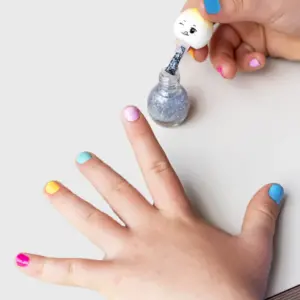
Gentle rubbing techniques suitable for children
After soaking hands for about ten minutes, dry them lightly with a towel. Then use a soft cloth, cotton pad, or tissue to rub the nail surface.
Rub in small circles or from the base to the tip of the nail. Avoid using fingernails or hard tools. If the polish does not move, another short soak can help.
The Toothpaste Rubbing Method
Some toothpaste formulas contain mild abrasives. These small particles help remove stains from teeth. In a similar way, they can slowly wear down a thin layer of nail polish.
This method works best with plain white toothpaste rather than gel formulas. The process should remain gentle because children’s nails are still developing.
Why mild abrasives in toothpaste can help lift polish
Common toothpaste abrasives include hydrated silica or calcium carbonate. These particles create light friction during brushing. According to dental material studies, these abrasives are designed to polish surfaces without causing deep scratches.
When rubbed lightly on nail polish, the particles can weaken the top layer. Over time, the color may begin to fade or break apart.
How to apply it safely on small nails
Place a small amount of toothpaste on the nail surface. Then use a soft toothbrush or cloth to rub gently. The movement should stay light and slow.
After about thirty seconds, rinse the nail with warm water. Some polish may fade or flake away. The process can be repeated, but it is best to pause if the nail becomes sensitive.
The Hand Sanitizer Technique
Hand sanitizer often contains alcohol, usually ethanol or isopropyl alcohol. These compounds are mild solvents. They are not as strong as acetone, but they can affect some nail polish films.
Because sanitizer is common in homes and schools, this method is sometimes used for quick clean-ups. Still, it should be applied in small amounts.
How alcohol helps break down nail polish
Alcohol molecules can weaken certain resins found in nail polish. When the surface is rubbed, the polish layer may soften slightly.
The effect is limited, but it can help remove small stains or thin polish layers. The process works best when combined with wiping or gentle friction.
Proper application and wiping method
Apply a small drop of hand sanitizer to a cotton pad or tissue. Press it against the nail for a few seconds. This allows the alcohol to contact the polish surface.
Then wipe the nail slowly from the cuticle toward the tip. If color remains, repeat the step once or twice. Finally, wash the hands with soap and water to remove residue.
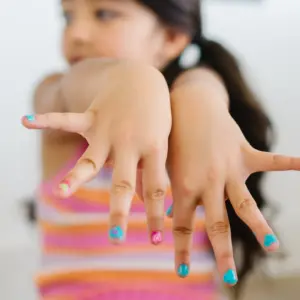
Step-by-Step Guide: Helping Kids Remove Nail Polish Without Remover
Removing nail polish without remover works best when the process is slow and organized. Children’s nails are thinner and softer than adult nails, so rough methods can cause small scratches. A simple step-by-step approach helps keep the nails clean and protected.
Parents or caregivers should guide the process when possible. With the right preparation and gentle handling, most regular nail polish can be reduced or removed using basic household techniques.
Preparing the Nails Before Removal
Before starting, the nails should be clean. Dirt, oil, or lotion on the nail surface can make removal harder. Washing hands with mild soap and warm water helps create a better surface for the next step.
After washing, dry the hands with a soft towel. Check the nails for chips or lifted edges in the polish. These small breaks often make removal easier because water or friction can reach under the polish film.
It is also helpful to trim very long nails. Shorter nails are easier for children to handle during rubbing or wiping. A smooth nail edge also lowers the chance of accidental scratching.
Choosing the Most Child-Friendly Method
Different methods work better in different situations. For example, warm water soaking is gentle and safe, but it may take more time. On the other hand, the fresh polish method can work faster for standard nail polish.
Parents should consider the child’s age and patience level. Younger children may prefer soaking and wiping, since the steps are simple. Older kids may manage methods that require careful rubbing.
It is also important to check the type of polish. Thick glitter polish or long-wear formulas are harder to remove without remover. In these cases, gentle soaking combined with wiping may be the safest choice.
Gentle Removal Process for Kids
The main goal during removal is to protect the nail plate. Children should avoid pulling or scraping the polish off. Instead, the polish should be softened and wiped away little by little.
Working slowly also prevents irritation to the cuticle and surrounding skin. If the polish does not come off quickly, the process should pause rather than become rough.
Applying the chosen method
Start by applying the selected technique. For example, hands may be soaked in warm water, or a small amount of toothpaste or sanitizer may be placed on the nail.
Let the method work for a short time. This waiting period allows moisture, friction, or mild solvent action to weaken the polish surface before rubbing begins.
Wiping, rubbing, or peeling safely
Once the polish softens slightly, use a soft cloth, cotton pad, or tissue to wipe the nail. The motion should move from the base of the nail toward the tip.
Children should not dig under the polish with their fingernails. If a small piece lifts on its own, it can be gently wiped away, but forced peeling can damage the nail layer.
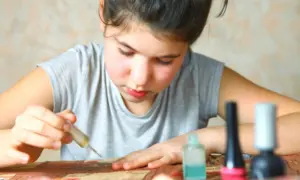
Repeating the process if needed
Many non-remover methods take several attempts. If color remains on the nail, the same step can be repeated after a short pause.
However, the nail should not be rubbed continuously for a long time. Short cycles of softening and wiping work better and reduce stress on the nail surface.
Cleaning and Moisturizing After Removal
After most of the polish is gone, the hands should be washed again with mild soap and warm water. This removes leftover polish particles and any product used during the process.
Dry the hands gently and check the skin around the nails. Sometimes the cuticle area may feel slightly dry after rubbing or soaking.
A small amount of hand lotion can help restore moisture. Keeping the nails hydrated supports normal nail growth and keeps the surrounding skin comfortable.
Safety Tips When Kids Remove Nail Polish Without Remover
Safety should always come first when children remove nail polish without remover. Many household methods rely on rubbing or soaking, which can affect the nail surface if done too roughly. Simple precautions help protect both the nail plate and the surrounding skin.
Children may also try to hurry the process. However, quick scraping or strong pressure can damage the nail. A calm and guided approach keeps the activity safe and helps kids learn good nail care habits.
Avoiding Harsh Scraping or Peeling
It may be tempting for kids to scratch or peel the polish off with their fingernails. However, this can remove thin layers of the nail plate along with the polish. The nail plate is made of keratin layers, and rough peeling can weaken these layers.
When the surface becomes thin or rough, the nail may split or break more easily. Dermatology sources note that repeated mechanical stress can damage the nail structure over time (American Academy of Dermatology).
Instead, children should rely on softening methods such as soaking or gentle rubbing. If a piece of polish lifts on its own, it can be wiped away with a cloth rather than pulled off.
Monitoring Skin Sensitivity
Children’s skin around the nails is often sensitive. During removal, friction or certain household products may cause mild irritation. Signs can include redness, dryness, or a slight burning feeling.
If any discomfort appears, the process should stop for a while. Washing the hands with clean water helps remove residue. After that, a small amount of hand lotion can reduce dryness.
Parents should also avoid using strong chemicals not meant for skin contact. Cleaning products or industrial solvents can irritate the skin and should never be used for nail polish removal.
Adult Supervision and Hygiene
Younger children should remove nail polish with adult supervision. Guidance helps them use safe pressure and prevents them from trying risky shortcuts. It also ensures the chosen method is used correctly.
Clean tools are also important. Cloths, cotton pads, or small brushes should be fresh and free from dirt. Using clean materials lowers the chance of spreading bacteria to the skin around the nail.
Finally, children should wash their hands after the process. Good hygiene keeps the nail area clean and supports healthy nail growth.
Methods Kids Should Not Use to Remove Nail Polish Without Remover
Not every quick fix is safe for children’s nails. Some methods found online or suggested by others may damage the nail plate or irritate the skin. Kids’ nails are thinner and more flexible than adult nails, so rough or chemical-heavy methods can cause problems.
Because of this, it is important to know which approaches should be avoided. Removing polish should never involve strong chemicals, sharp tools, or heavy friction. These actions may remove the color faster, but they can also harm the nail and the surrounding skin.
Avoiding Strong Chemical Products
Some people try to remove nail polish using household cleaners or industrial solvents. Products such as paint thinner, strong cleaning sprays, or fuel-based liquids contain chemicals that are not safe for skin contact.
These substances can irritate the skin and eyes. In some cases, they may also cause dryness or chemical burns. The U.S. Centers for Disease Control and Prevention (CDC) notes that many household solvents can irritate skin and respiratory pathways if misused.
Children should only use mild and common items such as soap, water, or safe household products designed for skin contact. Any chemical that is meant for cleaning surfaces rather than skin should be avoided.
Why Sharp Tools or Scrapers Are Dangerous
Another unsafe method involves using sharp objects to scrape the polish away. Kids may try tools such as metal files, scissors, or other pointed items. These tools can easily slip and injure the nail bed.
The nail bed sits directly under the nail plate and contains small blood vessels and nerves. Scraping with hard tools may cause pain, small cuts, or lifting of the nail plate.
Even plastic tools can cause damage if they are used with strong pressure. Instead of scraping, the polish should be softened and gently wiped away with soft materials like cloth or cotton.
Why Excessive Scrubbing Can Harm Children’s Nails
Rubbing the nail too hard is another common mistake. Children may scrub the nail repeatedly with a brush or rough cloth to remove the color faster. However, strong friction can wear down the outer keratin layers of the nail.
Over time, this may leave the nail surface thin or uneven. According to dermatology guidance, repeated mechanical friction can weaken nails and increase the chance of splitting.
A better approach is short and gentle rubbing followed by a pause. If the polish does not come off easily, the nail should be soaked again rather than scrubbed harder. This keeps the nail surface healthier while the polish is slowly removed.
Conclusion
Removing nail polish without remover is possible when kids use gentle and simple methods. Techniques such as soaking, light rubbing, or applying a fresh coat of polish can help loosen the color over time. The key is patience and care. Children should avoid scraping, strong chemicals, or rough scrubbing, since these can damage the nail plate or irritate the skin. With adult guidance and safe habits, kids can learn practical ways to clean their nails while also building healthy nail care routines.