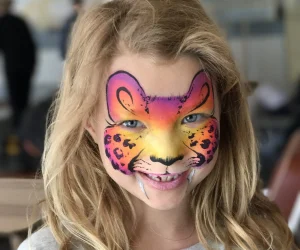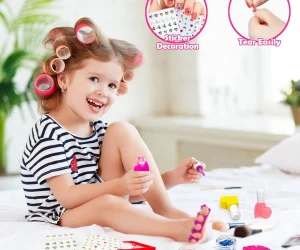
Play makeup boxes for girls are designed for light use and simple handling. They combine basic cosmetic forms with toy-like structure. The focus is not performance, but controlled exposure, easy removal, and safe interaction with young skin.
What Is a Play Makeup Box?
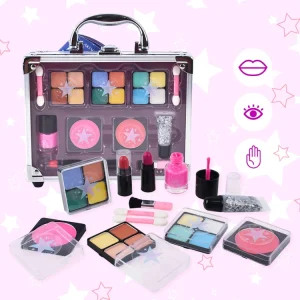
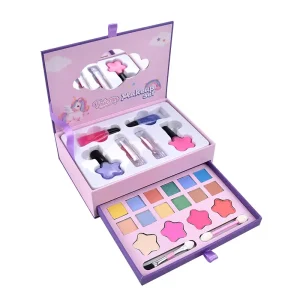
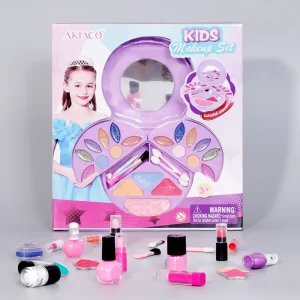
A makeup box for girls is a compact kit that includes basic cosmetic items and tools. These may include lip balms, soft powders, and simple applicators. The design supports short-term use and easy storage.
Unlike adult makeup kits, these boxes use lighter textures and lower pigment levels. The goal is to reduce buildup and make removal simple. This helps limit stress on the skin during use.
Structure also matters. Compartments keep products separate, which helps reduce cross-contact. This is important for hygiene, especially when multiple items are used in one session.
The Purpose of Play Makeup in Early Development
Play makeup supports structured play. It allows children to explore routines, such as applying and removing products. This type of activity builds simple habits and improves hand control over time.
It also introduces basic hygiene concepts. For example, using clean tools and closing containers after use. According to the American Academy of Pediatrics, guided play can support learning through repeated actions.
However, the purpose is not cosmetic effect. The focus stays on process and safe interaction. Products should support this by being easy to apply and remove without strong cleansers.
Balancing Fun and Safety in Kids’ Makeup Kits
Fun design often attracts attention, but safety must guide final choices. Bright colors and shapes are common, yet the internal formula and structure must stay controlled and low risk.
For example, limiting strong fragrance and reducing complex ingredients can lower irritation risk. At the same time, packaging should prevent spills and restrict overuse during play.
Balance also depends on supervision. Even well-designed kits require guidance. Clear use patterns, such as short play time and proper cleaning, help maintain both safety and usability.
Understanding Age-Appropriate Makeup for Girls
Age-appropriate makeup is defined by skin tolerance and user behavior. Younger children need simpler products with lower exposure risk. As age increases, control improves, but safety limits should still guide product choice and use.
Differences Between Play Makeup and Real Cosmetics
Play makeup is designed for short use and easy removal. It uses lower pigment levels and simpler bases. The goal is to reduce residue on the skin and limit repeated exposure during play.
In contrast, real cosmetics are built for longer wear and stronger visual effect. They often include more complex systems for adhesion and durability. These features may not suit children’s skin or habits.
Another key difference is testing focus. Kids’ products often prioritize mildness and low irritation, while adult products focus more on performance and finish.
Age-Based Product Selection Guidelines
Product choice should match a child’s age and ability. For younger users, solid formats like balms are easier to control and less likely to spill or overapply.
As children grow, they may handle slightly more varied textures. Still, products should remain simple and low in pigment. Complex routines are not suitable at early stages.
Guidance from groups such as the American Academy of Pediatrics supports limiting exposure and choosing products that match developmental level rather than trend.
Skin Sensitivity Considerations in Young Users
Children’s skin reacts more quickly to external substances. This is due to a thinner barrier and lower oil production. As a result, irritation can occur even with mild ingredients.
Common triggers include fragrance, certain colorants, and strong preservatives. Repeated use may increase sensitivity over time, even if no reaction appears at first.
Conditions like eczema can further weaken the skin barrier. In such cases, product use should be limited and carefully monitored to avoid flare-ups.
Key Features of a Safe Play Makeup Box for Girls
A safe play makeup box is defined by control, not variety. Each feature should reduce risk during use. This includes ingredient safety, simple product forms, and designs that limit misuse and contamination.
Non-Toxic and Skin-Friendly Ingredients
Ingredients should be selected based on safety data and low irritation risk. Mild emollients, stable waxes, and inert minerals are commonly used to support simple and controlled formulations.
Safety depends on dose and exposure. According to the U.S. Food and Drug Administration, ingredients must be safe under intended use conditions. This is especially important for products used on children.
In addition, formulas should avoid unnecessary additives. Fewer ingredients make it easier to assess safety and reduce the chance of unexpected skin reactions.
Simple and Low-Risk Product Types
Product types should match children’s usage patterns. Solid or semi-solid forms, such as balms and pressed powders, are easier to control and less likely to spread beyond the intended area.
Liquid and long-wear products are less suitable. They may require more effort to remove and can increase exposure time. This may lead to irritation, especially with repeated use.
Keeping product types simple also supports better supervision. Caregivers can more easily monitor use when formats are clear and limited in function.
Hygienic Design and Easy Application
Hygiene is a key part of safety. Packaging should reduce direct contact with the product. Twist-up sticks or sealed pans can help limit contamination during repeated use.
Application should be simple and controlled. Tools, if included, should be soft and easy to clean. Complex or multi-step tools may lead to misuse or poor hygiene.
Design should also support easy cleaning after use. Smooth surfaces and removable parts can help maintain product condition over time.
Safe Colorants and Mild Formulations
Colorants must meet safety standards and be suitable for sensitive skin areas. Only approved pigments should be used, especially for products near the eyes or lips.
Formulations should use low pigment levels to reduce staining and buildup. This makes removal easier and lowers the risk of residue staying on the skin.
Mild formulation also includes balanced pH and stable composition. These factors help maintain skin comfort and reduce the chance of irritation during short-term use.
Ingredient Safety in Kids’ Makeup Kits
Ingredient safety is the core of any kids’ makeup kit. Each substance must be reviewed for irritation risk, exposure level, and stability. For children, the goal is to limit unnecessary contact while keeping the product functional and easy to use.
Ingredients to Prefer in Makeup for Girls
Preferred ingredients are those with low reactivity and stable behavior. These often include simple oils, waxes, and mineral-based pigments. They support basic texture and color without adding excess complexity.
Purity is also important. Raw materials should be refined to remove contaminants. For example, mineral pigments must meet strict limits for heavy metals to ensure safe use over time.
In addition, ingredients should be well-documented. Safety assessments from sources like the Cosmetic Ingredient Review help guide selection based on tested exposure levels.
Ingredients to Avoid in Children’s Cosmetics
Avoidance helps reduce risk early in formulation. Some ingredients are more likely to irritate the skin, while others may raise concerns about long-term exposure or inconsistent quality.
These substances are often excluded during product design. This simplifies the formula and supports safer daily or occasional use, especially for sensitive skin.
Fragrances and Strong Preservatives
Fragrances can contain many small compounds, some of which may trigger irritation. Even low levels can affect sensitive skin, especially around the lips and eyes.
Strong preservatives, such as formaldehyde-releasing agents, may also increase irritation risk. While preservatives are needed, milder systems are preferred to balance safety and product stability.
Unregulated Color Additives
Color additives must meet regulatory standards. Unregulated or poorly controlled pigments may contain impurities, including trace heavy metals, which can pose safety concerns.
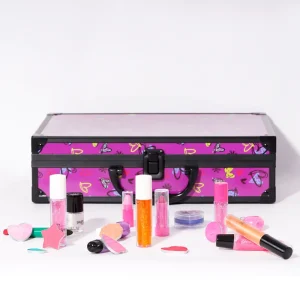
Only approved colorants should be used, especially in products applied near sensitive areas. This reduces uncertainty and supports consistent product performance.
Importance of Transparent Labeling
Transparent labeling allows users to understand what is in a product. Ingredient lists should follow standard naming systems, such as those defined by the International Nomenclature of Cosmetic Ingredients.
Clear labeling also includes functional ingredients like preservatives and colorants. This helps caregivers assess potential risks and make informed choices.
Short and simple ingredient lists improve readability. They also reflect controlled formulation, where each component has a defined purpose and known safety profile.
Packaging and Design Considerations
Packaging plays a key role in safety and usability for kids’ makeup kits. It not only protects the products but also guides proper use, reduces contamination, and supports hygiene during repeated play sessions.
Durable and Non-Toxic Materials
Materials should be strong enough to resist drops and rough handling. Plastics and metals used must be free from harmful chemicals such as BPA or phthalates, which could migrate into the product over time.
Durable packaging reduces breakage that could expose the product to air or microbes. Safety is improved when the material maintains integrity, even with frequent opening and closing.
Compact and Organized Makeup Box Layout
A well-organized layout separates items by type and reduces clutter. Compartments help keep lip, face, and eye products apart, lowering the chance of accidental mixing or contamination.
Compact design also makes storage simple. Small, lightweight kits are easier for children to handle and reduce the risk of dropping or spilling products during use.
Preventing Contamination in Multi-Use Kits
Kits with multiple items need features that limit microbial growth. Sealed pans, twist-up sticks, or removable covers can reduce exposure to air, dust, and fingers.
Instructions for proper cleaning and closing should be clear. This ensures that repeated use does not increase the risk of bacterial or fungal contamination over time.
Child-Friendly Design Without Encouraging Misuse
Design should match a child’s abilities. Easy-to-open lids, smooth edges, and simple closures reduce frustration and support proper handling.
At the same time, packaging should avoid features that encourage overuse or unsafe application. Bright colors and playful shapes can be included, but supervision and guidance remain essential to prevent accidental misuse.
Safety Testing and Regulatory Awareness
Safety testing ensures that kids’ makeup products meet established standards before use. Regulatory guidance helps define safe ingredients, proper labeling, and appropriate testing methods, supporting reduced risk for young users.
Basic Cosmetic Safety Standards
Cosmetics for children must comply with general safety regulations. In the United States, the U.S. Food and Drug Administration requires that products are safe under normal use and properly labeled.
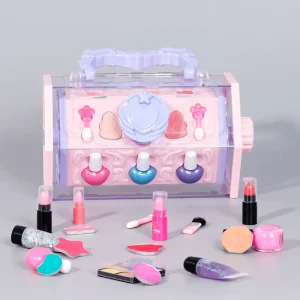
In Europe, the European Commission enforces stricter rules, including documented safety assessments and banned or restricted ingredients. Following these guidelines helps reduce the likelihood of irritation or accidental exposure.
Dermatological and Eye Safety Testing
Dermatological testing evaluates irritation or allergic reactions on the skin. Products intended for children are tested under controlled conditions to reflect sensitive or developing skin.
Eye-area products may undergo ophthalmologist testing to check for stinging, redness, or tearing. This ensures that colorants and other ingredients are safe for delicate areas and reduces accidental risk during play.
Labeling and Usage Instructions for Kids
Clear labeling guides safe use. Ingredients should follow standardized naming systems, like the International Nomenclature of Cosmetic Ingredients, and disclose all functional components, including colorants and preservatives.
Usage instructions should be simple and age-appropriate. Guidance on application, removal, and storage reduces misuse and helps caregivers monitor proper play routines. Warnings for sensitive skin or accidental ingestion are also recommended.
Proper Use and Supervision Guidelines
Even safe makeup kits require guidance to minimize risk. Supervision and clear routines help children use products correctly, maintain hygiene, and avoid irritation during play or occasional cosmetic use.
Teaching Safe Application Habits
Children should learn to apply products gently and in small amounts. Using fingers or soft applicators prevents overuse and protects sensitive areas like the eyes and lips.
Supervision is key at first. Caregivers can demonstrate proper handling, encourage one-step application, and correct unsafe practices, which helps build consistent habits over time.
Limiting Frequency and Duration of Use
Frequent or prolonged use increases exposure to ingredients. Short play sessions or occasional use reduces cumulative risk while allowing creative exploration.
Guidelines should specify daily limits and advise on breaks between applications. This helps maintain skin balance and lowers the chance of irritation, especially for sensitive or developing skin.
Cleaning and Maintaining Makeup Tools
Brushes, sponges, and applicators should be cleaned regularly to prevent microbial growth. Mild soap and water are usually sufficient for soft tools, while wipes can be used for quick cleaning.
Storage in a dry, clean area is also important. Proper maintenance ensures tools remain hygienic, reducing the risk of contamination and skin reactions over repeated use.
Recognizing and Responding to Skin Reactions
Children’s skin can react even to mild products. Signs of irritation include redness, itching, dryness, or rash. Caregivers should stop use immediately if any reaction appears.
Gentle cleansing and monitoring are important until the skin recovers. If irritation persists, consulting a pediatrician or dermatologist ensures proper care and prevents worsening conditions.
Educational Value of Makeup Play for Girls
Makeup play can support learning beyond fun. When approached safely, it helps children explore creativity, understand hygiene, and develop responsible habits. Structured play turns simple routines into educational experiences.
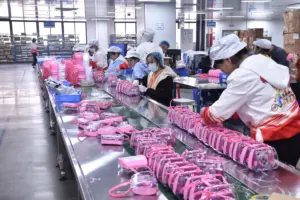
Encouraging Creativity and Self-Expression
Applying colors and experimenting with textures allows children to express ideas visually. Even simple choices, like selecting a lip balm or blush, engage decision-making skills and aesthetic judgment.
Supervised play encourages experimentation without risk. Children learn to combine colors, follow simple patterns, and explore personal style in a controlled environment.
Building Basic Hygiene Awareness
Using makeup introduces concepts of cleanliness. Children learn to wash hands before and after application, clean tools, and store products properly.
Following these routines helps prevent contamination and develops habits that carry into other areas, such as personal grooming and general health awareness.
Learning Moderation and Responsible Use
Makeup play can teach moderation. Children learn to use small amounts, follow age-appropriate instructions, and avoid overapplication.
Caregivers can reinforce boundaries and safe use, helping children understand limits. These lessons support long-term responsible behavior and safe interaction with cosmetic products.
Future Trends in Kids’ Makeup Boxes
The future of kids’ makeup boxes focuses on safety, clarity, and learning. Innovations aim to reduce risk while keeping products fun and easy to use, reflecting growing awareness of children’s skin needs and caregiver expectations.
Safer Formulations and Simpler Designs
Formulas are moving toward minimal ingredients and lower pigment concentrations. Lightweight textures and easy-to-remove products reduce exposure and irritation.
Packaging is also simplified, with fewer compartments and safer applicators. This supports better handling, less mess, and controlled use, especially for younger children.
Increased Focus on Transparency and Safety
Parents and caregivers are demanding clearer ingredient lists and safety information. Transparent labeling allows informed choices about what children are exposed to.
Safety documentation, such as dermatological or eye-area testing, is becoming more common. This ensures that products meet standards while reassuring users about low-risk use.
Integration of Education into Product Design
Some kits now incorporate educational elements, such as guides on hygiene, safe application, and skin care. These features help children learn proper routines while playing.
Educational design encourages responsible habits early. It reinforces safe usage, teaches moderation, and helps children understand the balance between fun and protection.
Conclusion
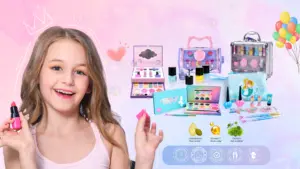
Creating a safe and fun makeup box for girls requires careful attention to ingredients, design, and supervision. Simple, non-toxic products combined with hygienic packaging reduce risk, while structured play encourages creativity and responsible habits. Clear labeling, age-appropriate tools, and gentle formulations help children explore makeup safely.
Ultimately, the focus is on guided, educational play that protects young skin while supporting learning and self-expression.