Face paint is a specialized form of cosmetic product designed for artistic expression on the skin. Unlike everyday makeup, it focuses on color intensity, blendability, and durability for creative designs. Professionals use face paint to transform features, create characters, or add visual effects for performances, festivals, and events.
Definition and Purpose of Face Paint
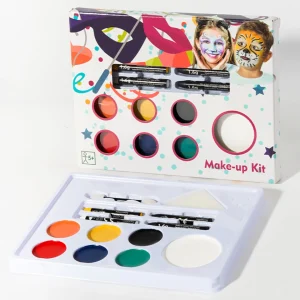
Face paint is a cosmetic medium specifically formulated to apply bold colors and patterns to the skin safely. It can be water-based, cream-based, or alcohol-activated, depending on the performance or durability required.
Its primary purpose is artistic rather than corrective. Artists use it to convey themes, characters, or emotions visually. In professional settings, face paint must be safe for prolonged contact, non-toxic, and easy to layer or blend for complex designs.
Differences Between Face Paint, Body Paint, and Regular Makeup
Face paint differs from regular makeup in pigment concentration, texture, and intended coverage. Regular makeup like foundation or lipstick is often subtle and designed for daily wear, while face paint is vibrant and bold.
Body paint covers larger areas and is formulated to adhere to more durable surfaces, sometimes requiring alcohol or silicone bases. Face paint is lighter and more flexible for facial movement, yet still adheres without cracking.
How Professional Face Paint Enhances Artistic Expression
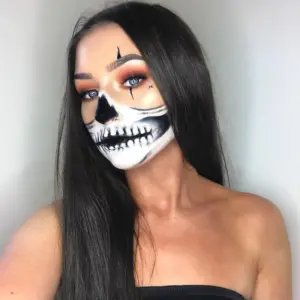
Professional face paint allows precise control over color, texture, and detail, enabling creative freedom. Artists can layer, blend, and highlight to create realistic or fantastical effects, from animal faces to abstract designs.
It also interacts with the contours of the face to enhance depth, dimension, and expression. By selecting suitable pigments and application techniques, makeup artists can transform a plain face into a visually compelling canvas while maintaining safety and comfort.
Types of Face Paint Used by Makeup Artists
Professional face painters choose products based on desired effects, skin type, and durability. Different formulations—water-based, cream, or alcohol-activated—offer distinct textures, finishes, and wear times.
Water-Based Face Paints
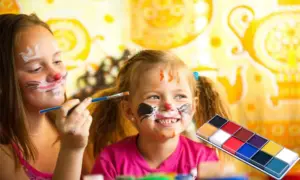
Water-based face paints are popular for their easy application, quick drying, and easy removal. They are non-greasy and suitable for children or sensitive skin.
Artists often use them for bright, layered designs. These paints blend smoothly with brushes or sponges, allowing gradient effects. Since they dissolve with water, they are ideal for temporary designs at parties or festivals, though they may require touch-ups during long events.
Cream and Grease-Based Paints
Cream and grease-based paints provide rich, opaque coverage and longer wear than water-based paints. They are oilier and adhere well to the skin, which is helpful for detailed or intricate designs.
These paints are applied with brushes or fingertips and often require setting powders to reduce smudging. They are preferred for stage performances or situations needing durability under lights and sweat, though removal may need mild cleansers.
Alcohol-Activated Paints
Alcohol-activated paints are highly durable and water-resistant, making them suitable for professional theater, film, or long-duration events. They activate when rubbed with alcohol or special applicators, forming a thin, flexible film on the skin.
While they are long-lasting and vibrant, these paints require careful handling and removal with alcohol-based removers. Artists often choose them for special effects, prosthetics, or situations where other paints would fade or smudge.

Essential Tools for Face Painting
Face paint requires more than just pigments—tools are critical for precision, blending, and creative effects. Makeup artists select brushes, sponges, airbrush equipment, and stencils based on the design, skin surface, and desired finish.
Brushes, Sponges, and Applicators
Brushes are essential for detailed lines, intricate designs, and precision work. Fine-tipped brushes allow sharp outlines, while flat or angled brushes help with larger areas or blending.
Sponges are ideal for base layers, gradients, or soft shading. They evenly distribute water-based or cream paints without streaks. Applicators such as disposable wands or foam-tipped tools can help reduce cross-contamination and maintain hygiene, especially when working with multiple faces.
Airbrush Equipment for Professional Use
Airbrushes allow smooth, even application over large areas or delicate designs. They use compressed air to spray paint in controlled layers, creating gradient effects, soft shadows, or intricate patterns that are difficult to achieve by hand.
Professional artists often use water-based or specially formulated airbrush paints. Airbrushing requires skill and cleaning protocols to maintain nozzles and prevent clogging, but it offers unmatched speed and uniformity, especially in stage, film, or event settings.
Stencils and Texture Tools
Stencils provide a way to create consistent patterns or repeated designs quickly. They are especially useful for beginners, themed parties, or large-scale projects.
Texture tools—like combs, stamps, or silicone tools—allow artists to add dimensional effects, raised lines, or decorative patterns. Combining stencils with sponges or brushes expands creative possibilities while keeping work efficient and clean.
Key Ingredients and Safety Considerations
Face paint is applied directly to the skin, often for hours, so ingredient safety is critical. Makeup artists choose formulas with non-toxic, hypoallergenic components to prevent irritation and allergic reactions.
Non-Toxic and Skin-Safe Ingredients
Professional face paints are made with non-toxic pigments, natural oils, and water-based binders. These ingredients provide vibrant color while remaining safe for extended skin contact.
Non-toxic paints are regulated for cosmetic use, minimizing risks of chemical irritation or long-term effects. Artists often test new paints on small areas before full application to confirm safety and even distribution.

Hypoallergenic Options for Children
Children’s skin is more sensitive, so hypoallergenic face paints are preferred. These formulations avoid common irritants like heavy fragrances, harsh dyes, or alcohol-based solvents.
Hypoallergenic paints reduce the risk of redness, itching, or rash, making them suitable for birthday parties, school events, or festival settings. Proper patch testing before use remains a best practice.
Avoiding Irritants and Allergens
Some pigments, preservatives, or additives can trigger allergic reactions. Professional artists check ingredient labels for known allergens, such as certain dyes, parabens, or sulfates.
Even safe products can cause irritation if applied over broken or sensitive skin. Proper skin preparation, minimal layering, and prompt removal after events reduce the likelihood of reactions while keeping face paint fun and safe.
Techniques for Smooth and Long-Lasting Application
Professional makeup artists use specific methods to ensure colors appear vibrant, blend seamlessly, and remain durable throughout an event. Proper prep, layering, and sealing are key steps to achieve a polished, long-lasting finish.
Prepping the Skin for Face Paint
Before applying face paint, artists clean the skin to remove oils, dirt, or makeup residue. A gentle cleanser followed by light moisturization creates a smooth, even surface.
Some artists use a thin barrier cream or primer designed for sensitive skin. This helps paints adhere better, reduces cracking, and prevents irritation during prolonged wear. Prepping the skin also allows colors to appear more vibrant and true-to-pigment.
Layering Colors and Blending
Layering is essential for creating depth and dimension. Artists apply thin layers of paint, allowing each to dry slightly before adding the next. This prevents cracking, streaking, or muddying of colors.
Blending tools, such as sponges or soft brushes, help create gradients, shadows, or highlights. Careful layering also allows for mixing custom shades on the skin without compromising opacity or shine.
Fixing and Sealing the Paint
Sealing face paint ensures it lasts through movement, sweat, or minor friction. Artists often use setting powders or sprays specifically formulated for cosmetic use.
Fixing also prevents smudging and feathering, keeping edges crisp. Proper sealing is especially important for events like performances or festivals, where long-lasting vibrancy is required without repeated touch-ups.

Color Selection and Mixing Tips
Choosing the right colors is crucial for effective face painting. Makeup artists consider pigment strength, opacity, and compatibility with skin tone.
Understanding Pigment Strength and Opacity
Pigment strength determines how vivid a color appears on the skin. Highly pigmented paints provide bold, opaque coverage, while lighter pigments create subtle, translucent effects.
Artists adjust application techniques according to opacity needs. Layering semi-transparent paints can create depth and dimension, while strong pigments may require thinner layers to prevent cracking or uneven texture.
Mixing Primary Colors for Custom Shades
Primary colors—red, blue, and yellow—can be combined to create a wide range of secondary and tertiary hues. Artists often mix small amounts of paint on palettes or sponges to achieve specific tones.
Controlled mixing allows customization without wasting product. Understanding color theory helps prevent unintended muddy shades and ensures that blended colors maintain vibrancy and harmony across a design.
Matching Colors to Skin Tones
Skin tone affects how colors appear once applied. Warm-toned skin may enhance reds and oranges, while cooler undertones highlight blues and purples.
Professional artists select colors that complement the wearer’s natural tone for a balanced, visually pleasing effect. Testing a small swatch before full application ensures accuracy and prevents clashes between pigment and skin undertones.
Removal and Skin Care After Face Painting
Removing face paint properly is just as important as its application. Artists follow careful techniques to protect the skin, prevent irritation, and maintain healthy skin barrier function. Proper removal ensures that colors are fully lifted while minimizing the risk of redness, dryness, or breakouts.
Safe Methods to Remove Face Paint
Most face paints can be removed with gentle cleansers or makeup removers designed for sensitive skin. Water-based paints usually wash away easily with warm water and mild soap, while cream or grease-based paints may require oil-based removers.
For alcohol-activated paints, specialized removers or cleansing wipes help dissolve pigments without harsh scrubbing. Artists often advise using soft cotton pads or microfiber cloths to prevent abrasion and maintain smooth skin.
Moisturizing and Soothing the Skin
After removal, moisturizing the skin helps restore hydration and comfort. Light creams or barrier balms calm any irritation caused by prolonged paint wear.
Soothing ingredients like aloe vera, glycerin, or hyaluronic acid can reduce redness and maintain skin elasticity. Applying a thin layer also prepares the skin for future applications or daily care routines.
Avoiding Breakouts or Irritation
Even safe face paints can trigger reactions if left on too long or applied on sensitive skin. Prompt removal, gentle cleansing, and moisturizing reduce the risk of clogged pores or inflammation.
Artists recommend patch testing new paints before full application, especially for children or those with prone skin. Consistent aftercare ensures that face painting remains fun, safe, and skin-friendly.
Professional Tips From Makeup Artists
Successful face painting depends not just on skill, but also on hygiene, consistency, and proper tool care. Makeup artists follow practices that ensure safety, maintain product quality, and help achieve professional results every time.
Best Practices for Consistency and Hygiene
Maintaining hygiene is essential when painting multiple faces. Artists wash hands frequently, sanitize brushes and sponges, and avoid double-dipping into paint containers to prevent cross-contamination.
Consistency also comes from preparing small, manageable amounts of paint at a time. This allows better control over texture, color, and coverage while keeping paints from drying out or separating during an event.
Common Mistakes to Avoid
Common mistakes include applying thick layers of paint too quickly, skipping skin prep, or using expired products. These errors can lead to cracking, smudging, or uneven colors.
Another frequent mistake is neglecting to patch-test for sensitivity, especially in children or clients with reactive skin. Avoiding these pitfalls ensures smooth, vibrant, and safe results for every design.
Maintaining Tools and Face Paint Quality
Brushes, sponges, and palettes need proper cleaning and storage to maintain performance. Washing tools with mild soap and water after each use prevents paint buildup and bacterial growth.
Storing paints in a cool, dry place with tightly sealed lids preserves pigment, prevents drying, and extends shelf life. Artists also regularly inspect tools for wear or damage to maintain professional-quality application.
Conclusion
Face paint combines creativity with technique, and knowing the right products, tools, and methods makes all the difference. From safe pigments to layering, blending, and proper removal, makeup artists can create vibrant, long-lasting designs while protecting the skin and enhancing artistic expression.