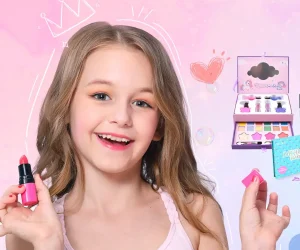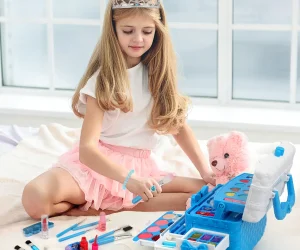
Children’s lips are delicate, and their skin absorbs substances differently than adults. Using products designed for adults can introduce chemicals or pigments that may irritate or harm developing skin, making ingredient awareness critical for parents and educators.
Why children’s lips need gentle care
Children’s lips have thinner skin and fewer protective oils than adults, making them more prone to dryness, cracking, and irritation. Even mild friction or exposure to synthetic dyes can cause discomfort or reactions. Safe kids lipstick uses softer formulations to minimize these risks and ensure the experience remains playful yet harmless.
Young children often lick or bite their lips, which increases the chance of ingesting harmful ingredients. Gentle products reduce exposure while still allowing kids to enjoy cosmetic play safely. Balancing fun and safety is key.
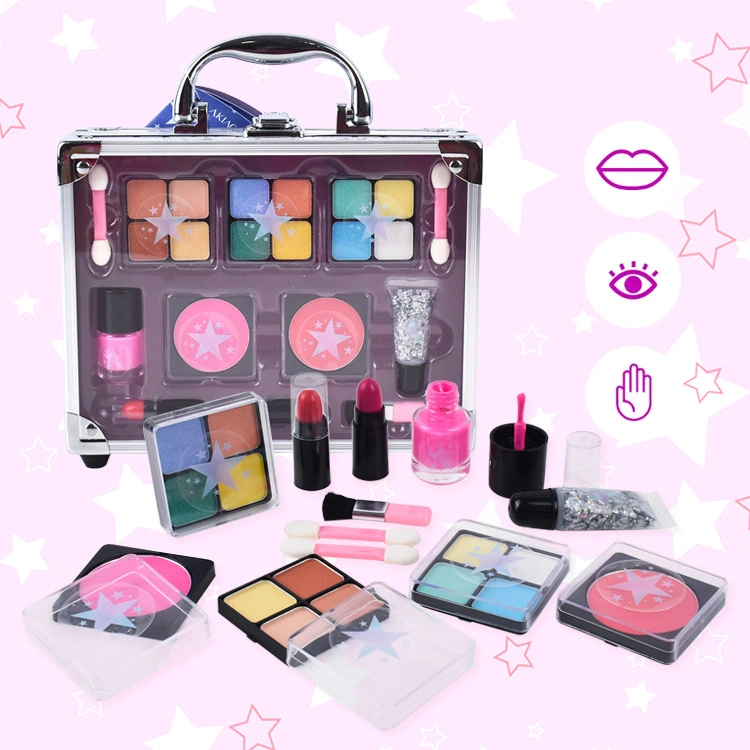
Risks of using adult lip products on kids
Adult lipsticks often contain strong pigments, synthetic fragrances, or preservatives not tested for pediatric use. Regular application on kids’ sensitive lips may cause redness, allergic reactions, or even chemical exposure through ingestion.
Additionally, certain adult lip products are designed for long wear or waterproof formulas, which require harsher removal methods. For children, repeated rubbing or harsh cleansers can damage delicate lip tissue, increasing vulnerability to infection or irritation.
The role of ingredients in safety
The safety of kids lipstick largely depends on its ingredients. Natural colorants, water-based formulations, and moisturizing agents help protect sensitive lips while providing playful color. Conversely, heavy metals, parabens, or strong solvents pose unnecessary risks and should be avoided in children’s products.
Understanding ingredient labels empowers parents and educators to make informed decisions. Knowledge of hypoallergenic components, food-grade pigments, and pediatric-friendly preservatives ensures cosmetic fun does not compromise health or comfort.
Key Ingredients to Look for in Kid-Safe Lipsticks
Selecting the right lipstick for kids requires careful attention to ingredients. Safe formulations prioritize gentle, non-toxic components that nourish and protect delicate lips.
Natural colorants and pigments
Kid-safe lipsticks often rely on natural colorants like beetroot extract, fruit pigments, or mineral-based dyes. These ingredients provide vibrant shades without introducing harsh chemicals. Unlike synthetic dyes, natural pigments reduce the risk of allergic reactions or irritation, making them ideal for delicate lips.
Natural colorants are also generally food-grade, which is important since children may accidentally ingest some product. This allows kids to enjoy playful colors safely, while maintaining confidence that their lipstick won’t harm them.
Moisturizing and protective components
Moisturizing agents such as shea butter, coconut oil, or jojoba oil are common in kid-friendly lipsticks. They help keep lips hydrated and create a protective barrier against dryness and external irritants.
Other protective components include mild vitamins like vitamin E, which supports skin health and reduces inflammation. These ingredients ensure that kids’ lips remain soft and resilient even with frequent play or light rubbing.
Ingredients to avoid in children’s cosmetics
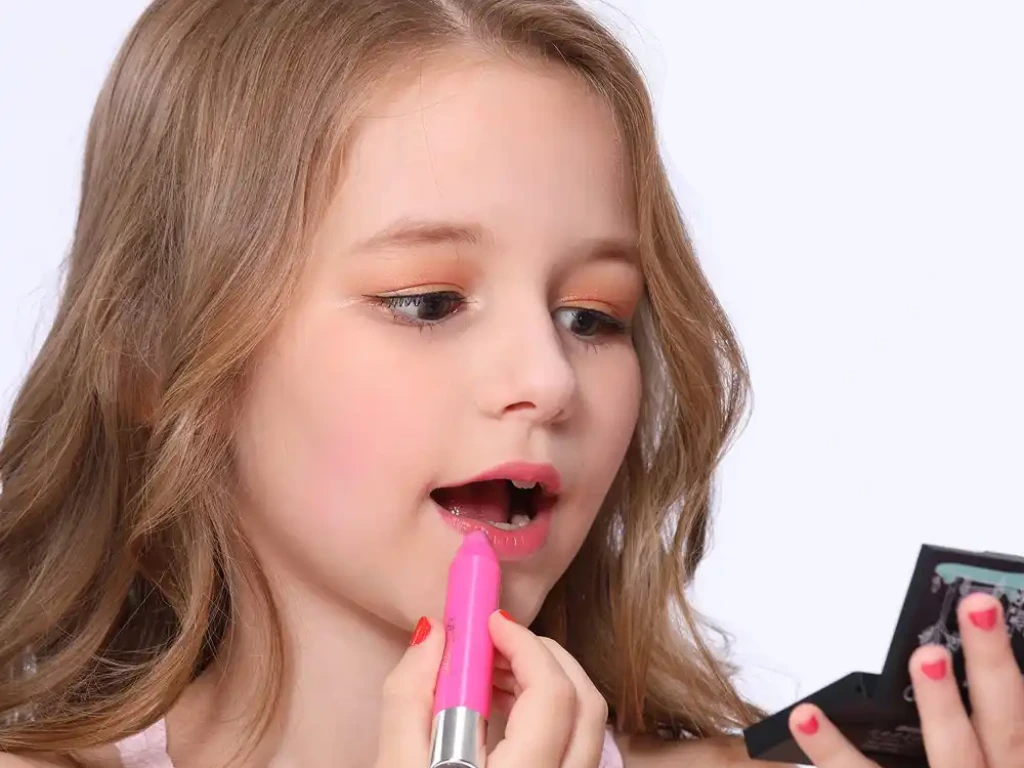
Certain substances should be strictly avoided in children’s lipsticks. Parabens, heavy metals, formaldehyde-releasing preservatives, and strong synthetic fragrances can cause irritation, allergic reactions, or long-term health concerns.
Adult-grade dyes and chemical solvents are also risky. These ingredients are designed for longevity and bold color on adult skin, which is far less sensitive than a child’s. Avoiding these ensures that lipstick remains a safe and playful cosmetic activity rather than a potential health hazard.
Types of Kid-Friendly Lipsticks
Kid-friendly lipsticks come in different forms designed for safety, ease of use, and fun. Understanding the variations helps parents and educators choose the right product for children’s age, activity level, and sensitivity, while keeping playtime enjoyable and non-toxic.
Tinted balms versus traditional lipsticks
Tinted lip balms are softer and more forgiving than traditional lipsticks, providing gentle color with added moisture. They glide easily on delicate lips, reducing the risk of irritation or chapping. Traditional lipsticks, even if labeled “gentle,” may contain firmer waxes and pigments intended for adult use, making them less suitable for young children.
Tinted balms also allow for gradual color application, making them perfect for younger kids experimenting with makeup for the first time. They offer playful shades without heavy coverage, keeping cosmetic play light and safe.
Organic and hypoallergenic options
Organic and hypoallergenic lipsticks use natural, minimally processed ingredients. They avoid synthetic dyes, parabens, and harsh preservatives, reducing the likelihood of allergic reactions or skin sensitivity. Hypoallergenic formulas are specifically tested to minimize adverse reactions, which is crucial for kids with delicate or reactive skin.
Parents should look for certifications or ingredient transparency when choosing organic or hypoallergenic products. These options provide peace of mind while letting children explore colors safely.
Water-based and easy-to-remove formulas
Water-based lipsticks are designed to be gentle and easy to clean, which is essential for children who may accidentally ingest or smear the product. These formulas typically contain safe pigments that rinse off with mild soap and water, avoiding harsh makeup removers.
Easy-to-remove lipsticks support hygiene and reduce stress for both parents and kids. They allow for playful experimentation without leaving lasting stains, making them ideal for school events, parties, or daily dress-up activities.
How Lipstick Can Affect Children’s Skin and Health
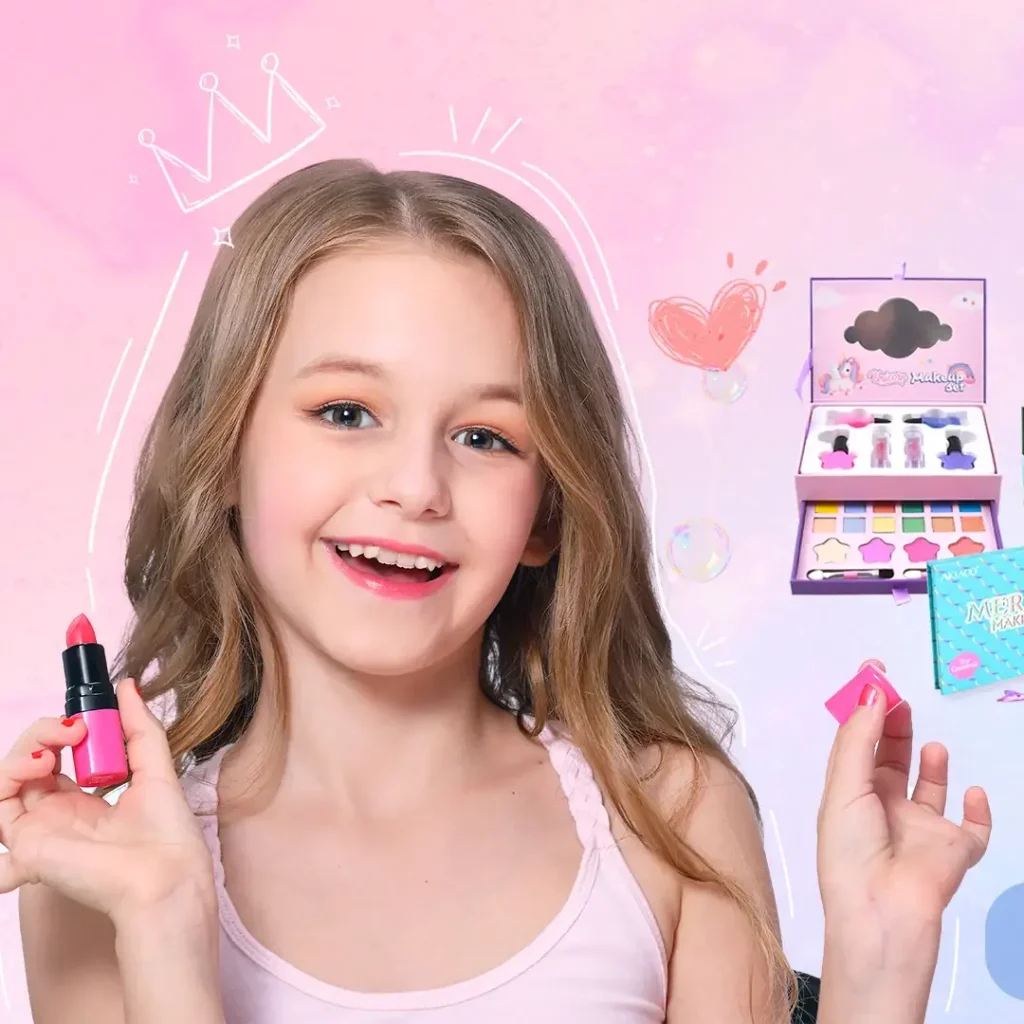
Even kid-friendly lipsticks can affect children’s skin and overall health if not chosen carefully.
Potential allergic reactions and irritations
Children’s skin is sensitive, and certain ingredients in lipsticks—like synthetic dyes, fragrances, or preservatives—can trigger allergic reactions. Symptoms may include redness, itching, swelling, or dryness around the lips.
Even natural ingredients can occasionally cause irritation, so patch testing a small area before full application is recommended. Monitoring reactions ensures children enjoy cosmetic play safely without discomfort or lasting effects.
Risk of ingestion and oral safety
Kids often lick or accidentally swallow lipstick during play. Adult-grade lipsticks or products with strong chemicals can be harmful if ingested. Kid-safe lipsticks use food-grade pigments and non-toxic components to minimize risk.
Still, supervision is important, especially for younger children. Limiting the amount applied and ensuring proper removal after use reduces the chance of accidental ingestion and maintains oral safety.
Long-term impact of repeated exposure
Frequent use of inappropriate or harsh lip products can cause dryness, cracking, or buildup of chemicals over time. Repeated exposure to irritants may sensitize the skin, increasing the likelihood of future allergic reactions.
Choosing gentle, hypoallergenic, and water-based lipsticks helps protect delicate lips while allowing for creative play. Educating children on proper application and removal reinforces safe habits that prevent long-term skin issues.
Age-Appropriate Lipstick Guidelines
Selecting the right lipstick for children requires considering age, maturity, and safety. Age-appropriate guidelines help parents and educators provide fun, safe cosmetic experiences while minimizing risks associated with delicate skin and accidental ingestion.
Recommended age ranges for different products
Tinted balms and light, water-based lipsticks are generally suitable for children aged 3 and up, as they are soft, non-toxic, and easy to remove. Older children, around 7–12 years, can safely explore more colorful or slightly firmer kid-friendly lipsticks, provided the formulations remain gentle and non-irritating.
Avoid adult-grade lipsticks entirely for young children, as the pigments, preservatives, and waxes are formulated for adult skin and may be too harsh for delicate lips. Choosing products according to age reduces the risk of irritation and ingestion.
Monitoring use and application frequency
Parents and educators should monitor how often children use lipstick to prevent over-application or skin irritation. Daily use is usually fine for gentle formulations, but repeated layering of stronger pigments or chemical-based products can increase sensitivity.
Encouraging moderation helps children enjoy makeup safely. Limiting time wearing lipstick during play or events and ensuring proper removal afterward maintains lip health while fostering good cosmetic habits.
Educational tips for teaching kids about cosmetic safety
Teaching children how to apply and remove lipstick safely empowers them to take care of their skin. Explain the importance of not sharing lip products, cleaning brushes, and using gentle formulas.
Make it a fun learning activity—showing children how to choose the right colors, apply lightly, and wash off carefully encourages responsibility. Combining education with play ensures children understand safety while enjoying cosmetic creativity.

Testing and Choosing Safe Lipsticks for Kids
Ensuring the lipstick your child uses is safe involves testing for sensitivity and understanding product labels. Careful selection helps prevent allergic reactions and makes cosmetic play both fun and harmless.
Patch testing and sensitivity checks
Before full application, apply a small amount of the lipstick to a discreet area, like the inner wrist or behind the ear. Wait 24 hours to check for redness, swelling, or itching.
This simple patch test identifies potential allergic reactions early. Even kid-friendly lipsticks can occasionally cause irritation, so testing helps parents prevent discomfort and ensures safe, confident use.
Understanding certifications and labels
Look for labels such as hypoallergenic, dermatologically tested, and pediatric-safe. Certifications from reputable regulatory bodies indicate the product has undergone safety evaluations suitable for children.
Reading ingredient lists carefully can reveal hidden chemicals, fragrances, or preservatives that may be harmful. Understanding these labels helps parents make informed decisions, avoiding unnecessary risk.
Selecting products suitable for school or playtime
Consider the environment where the lipstick will be used. Water-based, easy-to-remove, and light-colored lipsticks are ideal for school or casual play, minimizing mess and accidental ingestion.
For parties or special events, slightly bolder shades are acceptable if they are still formulated for children. Choosing context-appropriate products balances fun with safety and convenience.
Common Myths and Misconceptions About Kids’ Lipstick
Many parents and educators are unsure which lipsticks are safe for children. Separating fact from fiction helps prevent unnecessary fear while promoting safe, enjoyable cosmetic play.
“All lipsticks are unsafe for kids” myth
Not all lipsticks are harmful. Kid-safe lipsticks are specifically formulated with non-toxic, gentle ingredients suitable for children’s delicate lips. The myth that all lipsticks are unsafe often arises from confusing adult products with children’s formulations.
Educating caregivers on product differences empowers safe experimentation and fun, ensuring children can explore cosmetic play without exposure to harmful substances.
Misunderstandings about natural vs. synthetic ingredients
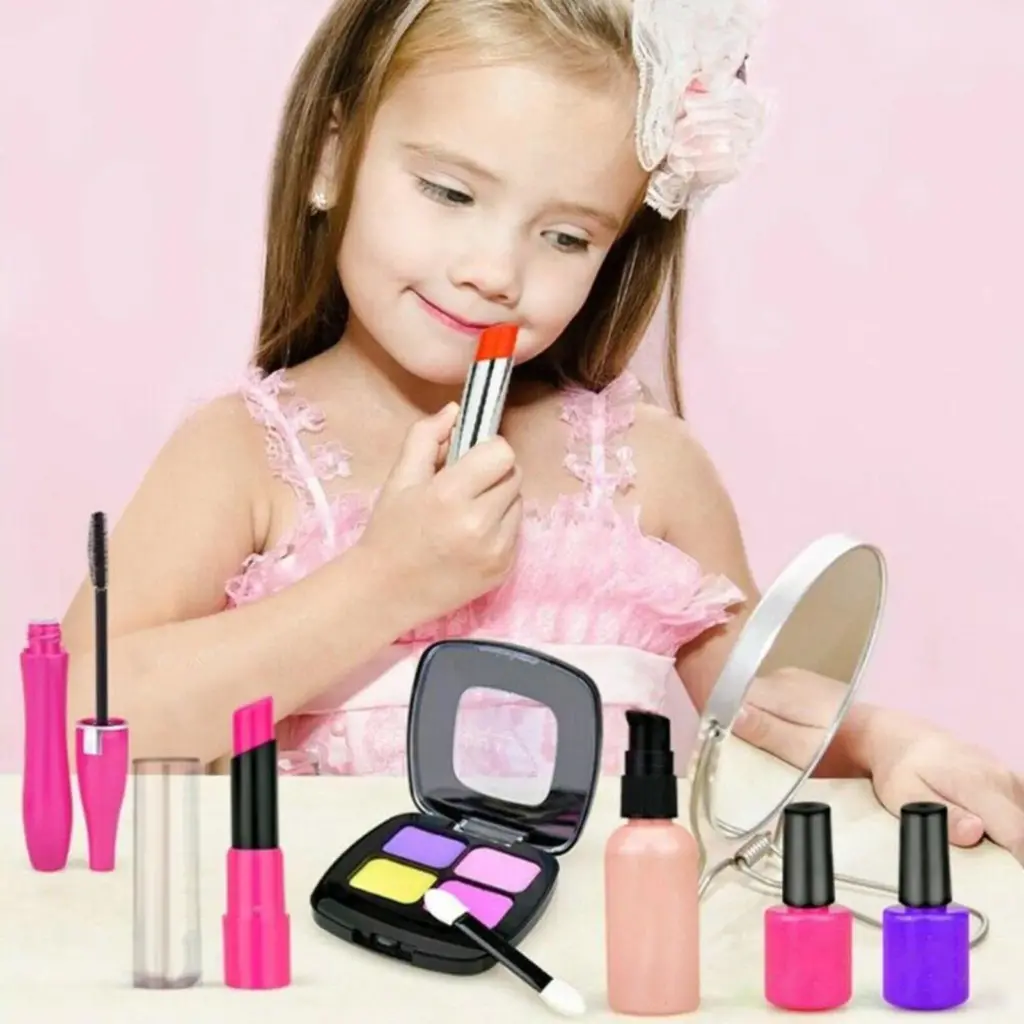
Some believe that natural ingredients are always safe, while synthetic ingredients are dangerous. In reality, both can cause reactions depending on concentration and sensitivity. Food-grade pigments and hypoallergenic components—whether natural or carefully synthesized—are safe for kids.
Understanding ingredient context, testing for allergies, and choosing pediatric-friendly formulations are key. This helps caregivers make informed decisions rather than relying on assumptions about “natural” or “synthetic.”
Confusion between cosmetic safety and aesthetic quality
Parents sometimes think safer lipsticks look dull or are less enjoyable for kids. Modern kid-friendly lipsticks combine non-toxic ingredients with bright colors and fun textures.
Safety does not compromise aesthetic appeal. Choosing products designed for children ensures a playful, vibrant experience while maintaining gentle care and minimizing health risks.
Tips for Encouraging Safe and Fun Lipstick Use
Encouraging safe lipstick use combines education, supervision, and creativity. By teaching proper application and removal, children can enjoy cosmetic play while developing healthy habits around personal care and self-expression.
Teaching children to apply and remove lipstick properly
Show children how to apply lipstick lightly and evenly to avoid overuse or smudging. Demonstrate using gentle motions and avoiding contact with the eyes or sensitive areas.
Equally important is teaching removal. Using mild wipes or water-based cleansers prevents irritation and keeps lips soft. Consistent practice reinforces safe routines while allowing playful experimentation.
Using playtime to educate about cosmetic hygiene
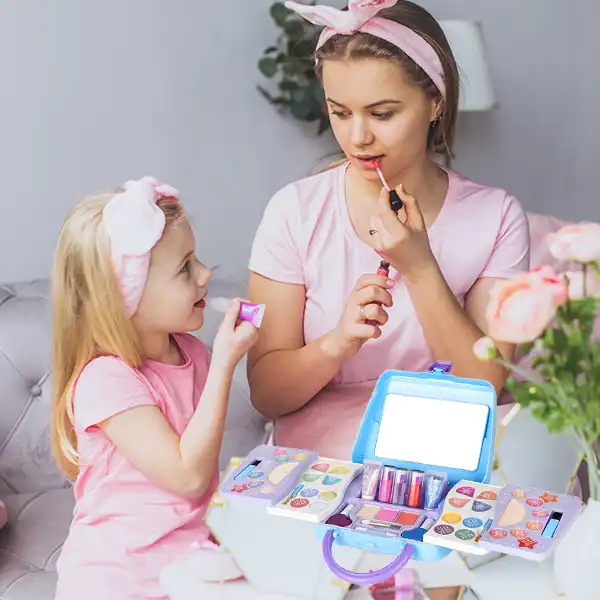
Playtime is a natural opportunity to teach hygiene. Explain why sharing lipsticks is risky, and encourage cleaning tools, brushes, and containers after use.
Making hygiene fun—like labeling products or creating a “clean-up game”—helps children internalize responsible habits without discouraging creativity.
Creating healthy habits around beauty and self-expression
Encourage children to view makeup as a form of expression rather than necessity. Promote short, supervised sessions and moderation to avoid overuse.
By combining safety, hygiene, and creativity, kids can enjoy lipsticks as a fun, educational tool. Healthy habits established early foster confidence and awareness in cosmetic use as they grow.
Recognizing Signs of Lipstick Reactions in Children
Even kid-safe lipsticks can occasionally cause mild reactions. Recognizing early signs of irritation or allergy ensures prompt action, keeping cosmetic play fun and safe.
Common allergic reactions to watch for
Watch for redness, swelling, itching, or small bumps around the lips after application. Dryness, cracking, or flaking may also indicate sensitivity. Some children may experience mild tingling or discomfort, signaling that the product isn’t well tolerated.
Identifying these signs early helps prevent worsening reactions and ensures the child remains comfortable while exploring cosmetic play.
How to respond to irritation or ingestion
If irritation occurs, gently remove the lipstick with mild wipes or water. Avoid rubbing harshly, which can worsen symptoms. For accidental ingestion of a small amount, monitor the child for nausea or mouth discomfort.
For larger amounts or persistent symptoms, contact a healthcare professional. Immediate care and proper cleanup reduce risk and help children feel safe experimenting with makeup.
When to consult a pediatrician or dermatologist
Consult a pediatrician or dermatologist if reactions are severe, persistent, or involve swelling, hives, or difficulty breathing. Children with pre-existing skin conditions or allergies may require professional guidance before using lipstick.
Professional advice ensures both safety and appropriate treatment, helping parents and educators continue cosmetic play confidently while protecting children’s health.
Conclusion
Choosing the right lipstick for kids balances fun, creativity, and safety. By understanding ingredients, monitoring use, and teaching proper application and removal, parents can ensure playful cosmetic experiences without compromising health or comfort.