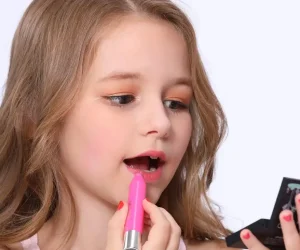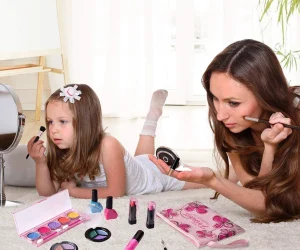
Children are natural explorers. When they reach for makeup, it’s not about beauty—it’s about discovery. For many kids, makeup offers a safe and colorful way to mimic the world around them, ask questions, and express new ideas.
The Role of Imitation in Early Childhood
Kids learn by copying. From a young age, they mirror what they see—parents brushing their hair, applying lipstick, or getting ready for work. These simple actions become scripts for play.
A child picking up kids makeup isn’t thinking about fashion. They’re replaying what they’ve seen, often with wide-eyed focus. It’s not about looking grown-up; it’s about understanding what grown-ups do.
Exposure Through Family, Media, and Culture
Makeup appears everywhere—in cartoons, social videos, even children’s books. When kids see characters or influencers having fun with makeup, they naturally become curious.
In many homes, siblings or caregivers apply makeup in daily routines. These moments build interest without anyone directly teaching it. Even a toddler pretending to “paint” their face is responding to a world rich with visual cues.
Curiosity About Color, Texture, and Expression
Most young kids don’t care about contouring. They’re excited by color and sensation. The feel of soft powder, the shine of lip gloss, the way blush changes a face—these are tiny sensory experiments. Children drawn to kids makeup may enjoy mixing, smearing, or layering—not for beauty, but for play. To them, makeup can feel like finger paint with a mirror.
In one preschool, a teacher noticed a group of 4-year-olds creating “face art” during pretend play. They weren’t trying to match skin tones or follow rules. They were making stripes, dots, and squiggles, giggling the whole time. What mattered wasn’t the result—it was the process.
Is It Normal for Kids to Want to Play with Makeup?
Yes—it’s completely normal. Wanting to play with makeup is part of how kids explore identity, creativity, and social behavior. From a psychological view, it reflects curiosity, not vanity. Most kids see makeup as just another tool for role play, much like costumes or toy doctor kits.
Developmental Psychology Perspective
According to Jean Piaget’s stages of cognitive development, children between ages 2 and 7 are in the “preoperational stage.” During this time, pretend play is a key part of how they learn. Kids makeup becomes part of their symbolic play—where a brush isn’t just a brush, but a magic wand, a tool, or a way to become “Mom” or a favorite character. It helps them test out social roles without pressure.
Makeup play also supports fine motor skills, emotional understanding, and turn-taking when shared. It’s less about looking good, and more about thinking, “What happens if I do this?”—a question at the heart of every child’s development.
Gender-Neutral Play and the Evolution of Beauty Toys
While makeup was once labeled “just for girls,” that’s changing. Today’s child development experts support gender-neutral play. The American Academy of Pediatrics (AAP) encourages toys that support imagination, not stereotypes (AAP, 2018). Kids makeup is no exception. Boys and girls alike may explore it as a form of dress-up or artistic fun.
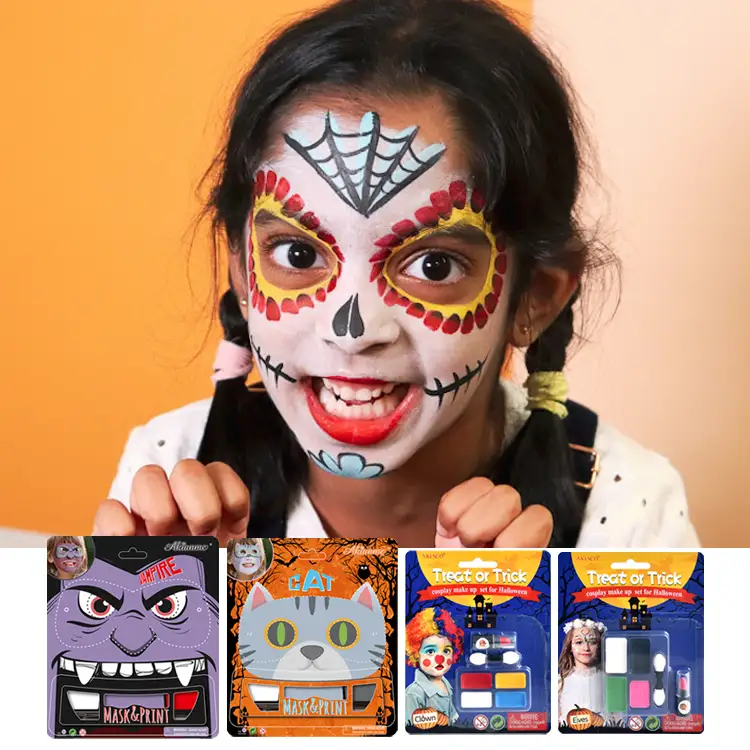
Some boys use lipstick as war paint. Others pretend to be clowns or superheroes. The play is not about becoming feminine or masculine—it’s about testing new identities. When caregivers respond without judgment, kids gain confidence and emotional safety.
Ages and Stages: When Interest Typically Begins
Interest in kids makeup often appears between ages 3 and 5. That’s when children begin watching routines closely—especially morning prep or getting ready for events. By age 6 or 7, they might request their own pretend set. Around this time, they start understanding that makeup has social meaning, even if they still use it playfully.
For some kids, the interest fades. For others, it grows into a love for color, art, or performance. Either way, it’s rarely about beauty. It’s a phase of discovery—just like playing dress-up or making silly faces in the mirror.
Pretend Play and Creativity: Makeup as a Form of Self-Expression
Makeup play isn’t just about looking pretty—it’s a form of storytelling. When kids use makeup, they aren’t aiming for beauty standards. They’re exploring how to show feelings, create characters, and try out new roles. In many ways, kids makeup is like paint on a canvas—it turns the face into a stage for the imagination.
Storytelling Through Appearance
A swirl of eyeshadow can turn a child into a fairy. A dot of lipstick can become a dragon’s scar. Kids often use makeup to build stories around characters they invent. A child might say, “I’m a space queen today,” and carefully layer on colors that match that idea. It’s not about realism—it’s about narrative.
This type of storytelling gives children control. They choose how the character looks and acts. Through this process, they learn to connect visuals with emotions, motives, and even conflict—foundational parts of creative writing and dramatic play.
Imagination, Role-Play, and Emotional Processing
Makeup also helps kids explore emotions in a safe way. A child might use dark colors to pretend they’re a villain or choose glitter to become someone joyful. These choices allow them to express feelings they don’t always have words for.
According to child psychologist Dr. Laura Markham, role-play helps children “practice emotional regulation and test boundaries in a safe space” (Aha! Parenting, 2019). Kids makeup can be part of that space. It’s like an emotional costume—worn, explored, then wiped away.
Comparing Makeup Play to Dress-Up and Costumes
Think of kids makeup as a sibling to costumes. Just as a pirate hat or cape sparks imagination, a bit of face paint or pretend eyeliner lets kids shift into new roles. The difference is: makeup adds detail to the transformation.
Unlike costumes, makeup is also tactile. Children use fine motor skills to apply, blend, and design. This can be satisfying in the same way as finger painting or clay molding. When paired with dress-up clothes, it deepens the experience—helping the child feel more immersed in their invented world.
Sensory Exploration Through Makeup Toys
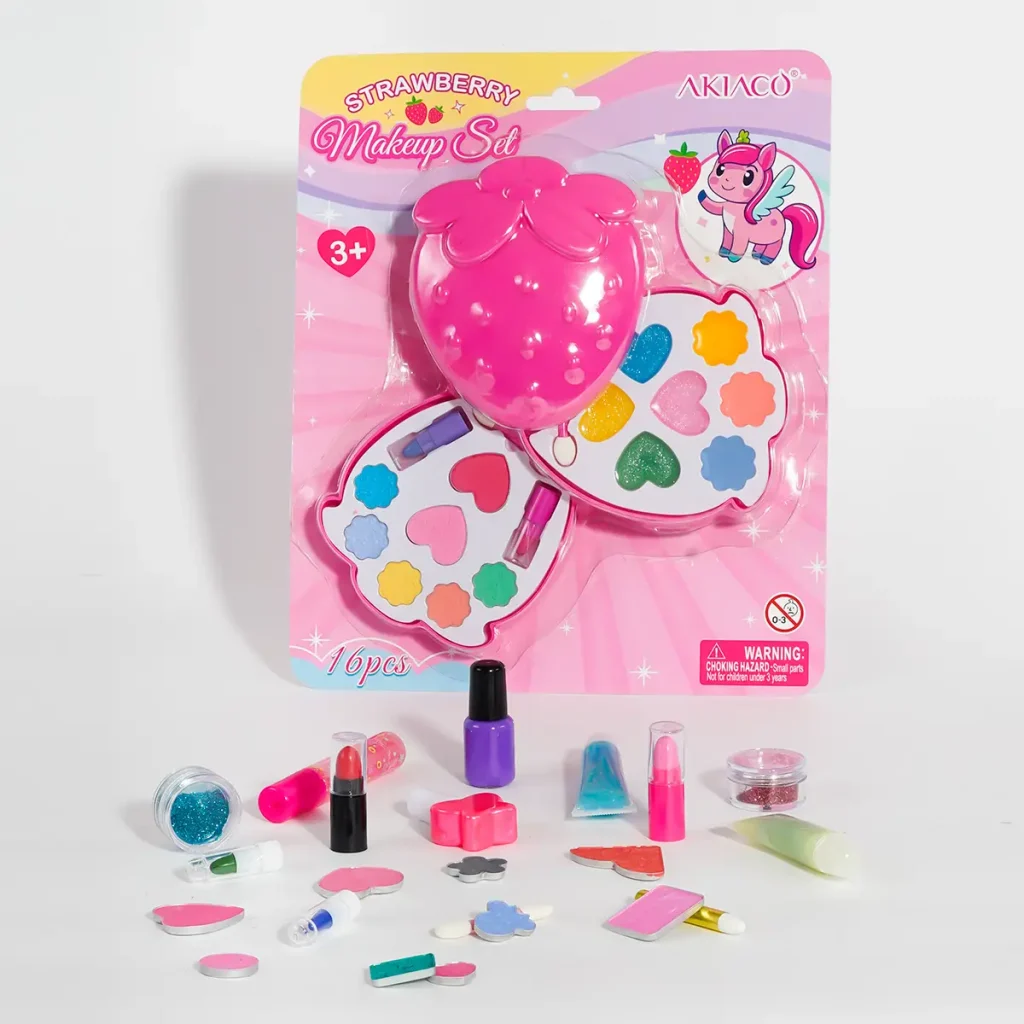
Kids makeup toys aren’t just about looks—they’re sensory tools. They invite children to touch, see, and feel. This kind of exploration supports how kids understand the world. From creamy blush to glittery shadow, each texture tells a story through sensation. For many kids, especially those under 8, these small sensory moments matter just as much as the pretend play.
Colors, Textures, and Tactile Learning
Young children love bold colors and soft textures. A silky eyeshadow or sticky lip gloss gives them something new to explore. They might press, smear, or dab with fingers—just like they do with finger paints. These experiences support tactile learning.
When a child feels a cool, smooth surface or sees how a pigment spreads across skin, their brain is logging sensory input. According to the CDC’s developmental milestones, sensory play in early childhood helps develop neural connections related to problem-solving and creativity (CDC, 2023). Kids makeup fits into that sensory loop.
Safe, Washable Formulas and Skin Awareness
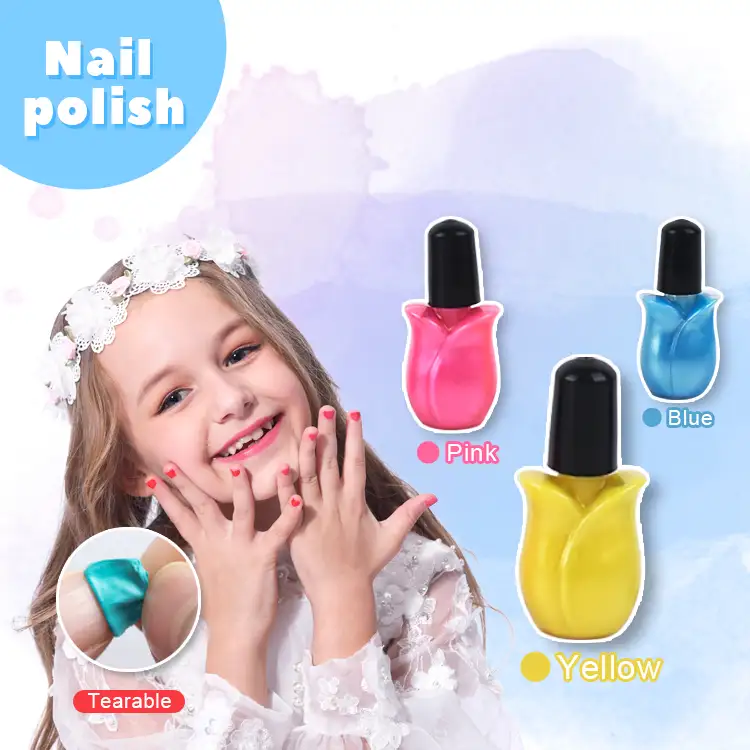
Many kids makeup sets use washable, non-toxic materials. These formulas aren’t just about safety—they also introduce children to the feeling of product on their skin. For some kids, this can build awareness. “It feels sticky,” one child might say. “It tickles,” says another.
This process gives children early control over their bodies and choices. They may wipe something off if they don’t like the texture. That action teaches boundaries and body autonomy—something important in child development.
How Sensory Input Supports Fine Motor Skills
Tiny brushes, small compacts, and twist-up tubes—all require hand control. Kids makeup toys often mimic adult tools but in a scaled-down way. Using these items involves gripping, dabbing, and blending—motions that strengthen finger muscles.
These are the same muscles used in writing, cutting, or zipping a coat. Occupational therapists often encourage play that builds fine motor precision. Applying pretend blush or lipstick gives kids a chance to build those skills naturally, through play.
Social Learning and Identity Development
Makeup play isn’t just pretend—it’s how kids learn about themselves and others. Social learning happens when children watch, mimic, and experiment with roles. Makeup becomes a tool for trying on identities, exploring personalities, and understanding social behavior. This kind of play often overlaps with how children develop self-image and social awareness.
Learning Through Observation and Mimicry
Children watch the world closely. When they see a parent apply lipstick, a sibling brush on eyeshadow, or a YouTuber do a “get ready with me,” they take notes. This mimicry is part of Albert Bandura’s Social Learning Theory (Bandura, 1977), which suggests that children learn behaviors by observing and imitating others.
By copying makeup routines, kids are not just having fun—they’re studying adult rituals. They notice the order, the tools, the facial expressions. It’s a quiet form of rehearsal for understanding how grown-ups interact with beauty, care, and routine.

Trying on Roles: From Parent to Performer
With makeup, children can try on a wide range of roles. One day they may play the nurturing mom putting on blush before work. The next, they’re a superhero with sparkly war paint, or a stage performer getting ready to sing.
This kind of role-play supports emotional flexibility. According to child psychologist Dr. Laura Markham, role-switching helps kids practice empathy and perspective-taking (Markham, 2018). It’s not about vanity—it’s about exploring what it feels like to be someone else.
Experimenting with Identity and Style
Makeup play also lets kids experiment with who they are—or who they might become. Pink cheeks? Blue eyebrows? No rules. It’s about self-expression.
These moments help kids build identity through appearance. They test how they want to present themselves, what feels “right” or “fun.” For some children, this can support confidence. For others, it’s just a way to explore color and mood.
This identity play is especially important as children move into early adolescence, when they become more aware of how others see them. But the seeds are often planted much earlier—sometimes with a single swipe of pretend lipstick.
Makeup and Confidence Building in Children
Makeup play can support emotional growth, but only when approached with care. For kids, it’s rarely about looking “pretty.” It’s about play, self-discovery, and fun. Understanding how makeup connects to confidence means looking beyond the surface—and focusing on how kids feel while they play, not just how they look.
Celebrating Individuality Without Pressure
Children often use makeup to explore who they are—not who others want them to be. When adults allow space for creative expression without judgment or correction, kids feel safe to try new things. A child who colors one cheek red and the other green isn’t trying to follow beauty trends—they’re exploring individuality.
As psychologist Dr. Danielle Ramo notes, the goal isn’t to “teach beauty,” but to support healthy identity building without external pressure (Ramo, 2020). When makeup is seen as art, not expectation, it can become a celebration of personality.
When Makeup Play Encourages Positive Self-Esteem
Confidence doesn’t come from the mirror—it comes from inside. That said, fun, colorful makeup moments can give kids a sense of pride in what they create. Like painting or dressing up, makeup play offers a visible result of their choices.
When a child says, “Look what I did!” after applying pretend eyeshadow, that’s self-esteem in motion. The focus is on effort, not perfection. This kind of confidence—built on creativity and control—can carry into other areas of life, like problem-solving or storytelling.
The Difference Between Fun and Appearance-Based Insecurity
It’s important to notice when makeup play shifts. Most young children treat it like face paint: expressive, silly, sometimes wild. But if a child starts using makeup to hide features or says things like, “I look better this way,” it may be time to pause.
Experts like Dr. Jennifer Harriger, who studies body image in children, warn that too much focus on physical appearance at an early age can lead to self-esteem issues later (Harriger et al., 2010). The key is balance—keeping makeup fun, flexible, and part of a broader range of imaginative play.
Parents and educators can support this by encouraging all kinds of play, praising effort over looks, and modeling self-acceptance themselves.
Addressing Common Parental Concerns
When kids reach for a makeup brush, many parents pause. Is this just innocent fun—or something deeper? These questions are normal. Understanding the psychology behind kids’ makeup play can help parents respond with clarity, not fear. It’s not about stopping the fun—just guiding it.
Is Playing with Makeup Too Grown-Up?
At first glance, makeup seems like something for teens or adults. But for kids, it’s often just another prop—like a superhero mask or pirate hat. They’re not chasing beauty standards; they’re mimicking, exploring, and pretending.
What may look “grown-up” to an adult often feels like make-believe to a child. According to child development specialists, pretend play involving adult roles (like doctors, parents, or performers) is a normal stage between ages 3–7 (Piaget, 1962). Makeup is simply one of many tools in that imaginative toolbox.
Balancing Fun with Age-Appropriateness
While makeup play is common, boundaries are important. Parents can allow kids to explore while choosing products that are clearly for play—non-toxic, washable, and designed for children. For example, glitter gels, face paint crayons, or pretend kits offer safer options than adult cosmetics.
It also helps to define when and where makeup can be used. “At home during playtime” feels different from “wearing lipstick to school.” With a few simple rules, makeup play stays joyful and age-appropriate.
Setting Healthy Boundaries Without Shame
The goal isn’t to say “no”—it’s to say “yes, but here’s how.” Shaming a child for wanting to play with makeup can send the wrong message about creativity and self-image. Instead, use curiosity: “What do you like about using it?” or “Who are you pretending to be today?”
Healthy boundaries are about guiding, not judging. Letting kids know it’s okay to explore—but not everything is for every situation—helps them learn context, not just rules. When adults stay calm and curious, children feel respected, and the fun stays safe.
Educational Value of Makeup Play Sets
At first glance, makeup play sets might seem purely decorative. But many of these toys offer hidden learning opportunities. Beneath the sparkles and colors, they teach children to notice patterns, follow sequences, and interact socially. When thoughtfully designed, kids’ makeup toys can support early learning in creative ways.
Learning Colors, Shapes, and Body Parts
Children often begin their makeup play by identifying and naming colors—“pink blush,” “blue eyeshadow,” “red lips.” Over time, they associate those colors with specific areas on the face. This helps reinforce both color recognition and body part vocabulary.
For example, a child might say, “I’m putting purple on my eyelids,” or, “This round blush goes on cheeks.” These seemingly small phrases help strengthen early language and visual-spatial awareness.
Practicing Sequencing and Step-by-Step Tasks
Makeup play often follows a sequence: apply foundation, then blush, then lipstick. Even if a child is improvising, they’re learning the idea of step-by-step processes—just like following a recipe or a science experiment.
This type of structured pretend play supports executive functioning. Kids build planning, focus, and memory skills without even realizing it. A makeup routine becomes a fun version of learning “first, next, then last.”
Encouraging Sharing and Cooperative Play
Makeup kits often bring kids together. Whether they’re painting each other’s faces or pretending to run a salon, they must negotiate roles, take turns, and respect each other’s ideas. These are key parts of early social development.
Sharing brushes, waiting for a turn, or asking for a color encourages cooperation. It also introduces polite language and empathy: “Would you like some shimmer on your cheeks?” becomes a gentle way to connect and include others.
How to Support Safe and Healthy Makeup Play at Home
Supporting kids’ makeup play means keeping it fun, safe, and healthy. Parents and caregivers play a key role in guiding exploration without pressure. When done right, makeup play can boost creativity and confidence while teaching important habits about care and boundaries.
Choosing Age-Appropriate, Non-Toxic Products
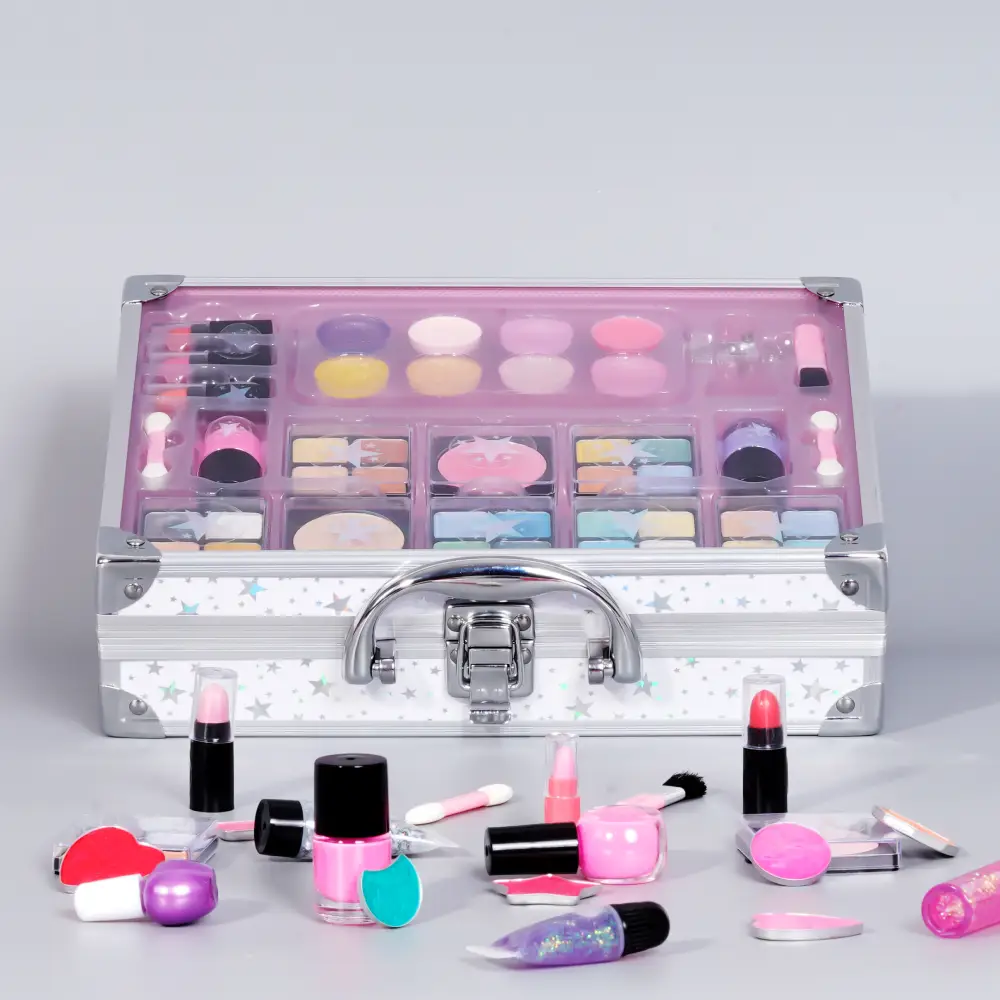
Not all makeup is made for kids. Selecting age-appropriate, non-toxic, and washable products is essential. These are designed to be gentle on sensitive skin and easy to clean up. Avoid adult cosmetics that may contain harsh chemicals or cause irritation.
Many children’s makeup kits use safe ingredients tested for allergies and safety standards. This protects young skin while letting kids enjoy textures, colors, and tools without worry.
Talking to Kids About Beauty and Self-Worth
Makeup play opens the door for conversations about beauty—and what it really means. Emphasize that makeup is about fun and creativity, not changing who you are or meeting certain standards.
Help children understand self-worth comes from inside, not appearance. Encouraging positive talk like “You are special just as you are” helps build healthy attitudes that last beyond playtime.
Encouraging Wash-Up Habits and Skin Care Routines
Part of healthy makeup play is teaching good habits. Show children how to wash their face gently after playing and why it’s important to keep skin clean. Introducing simple skincare routines early fosters respect for their bodies.
Making wash-up a fun part of the process—like singing a song while cleaning—helps kids remember. These habits build a foundation for responsible self-care as they grow.
When to Be Concerned: Recognizing Unhealthy Behaviors
While makeup play is usually a healthy form of exploration, there are times when it may signal deeper issues. Parents and caregivers should watch for signs that makeup use is causing stress or shaping negative self-image. Recognizing these signs early helps support children’s well-being.
Signs of Imitating Negative Beauty Standards
Children naturally copy what they see, but sometimes that includes harmful messages. If a child insists on makeup to “hide” parts of their face or expresses worries about not being “pretty enough,” it might indicate internalizing unrealistic beauty ideals.
These concerns often come from media, peers, or even adults. Experts warn that exposure to narrow beauty standards can impact young kids’ self-esteem (Tiggemann & Slater, 2013). It’s important to respond with reassurance and emphasize inner qualities over appearance.
When Makeup Play Becomes an Obsession
Most kids use makeup playfully, but if a child becomes preoccupied with appearance or spends excessive time applying makeup, it may signal anxiety or body image struggles. Obsessive behavior can interfere with daily activities and social interactions.
Parents should look for changes like withdrawal, mood shifts, or stress around makeup routines. Early support from counselors or child psychologists can help address underlying issues before they deepen.
Open Conversations About Media and Body Image
One of the best ways to prevent unhealthy behaviors is through honest talk. Discuss how media images often don’t show the full picture—filters, editing, and lighting can create false ideals.
Encourage critical thinking about what kids see online or on TV. Asking questions like “Why do you think they use so much makeup?” or “What do you like most about yourself?” fosters awareness and resilience against harmful messages.
Conclusion
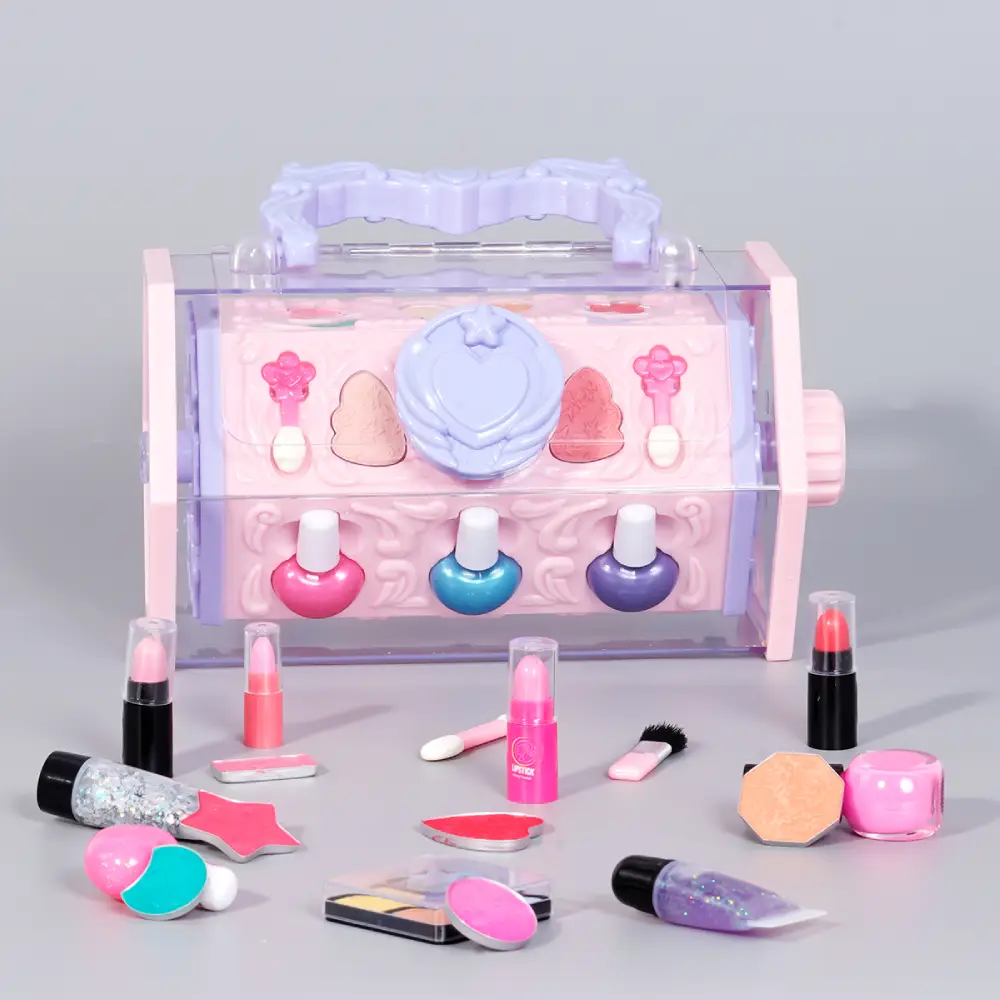
Makeup play is a natural part of childhood curiosity and creativity. It helps kids explore identity, practice social skills, and enjoy sensory learning. When guided with care and safe products, makeup becomes a positive tool for growth, not just pretend fun.