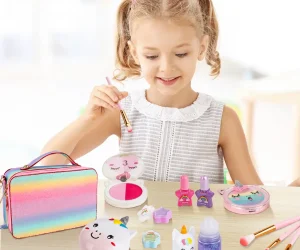
Bath bombs may look simple, but they’re tiny spheres packed with chemistry and creativity. They turn an ordinary bath into a fizzing, colorful experience. From their ingredients to their reaction in water, every bath bomb is a small science experiment designed for fun and relaxation.
Definition and Basic Concept of a Bath Bomb
A bath bomb is a compact blend of dry ingredients that react when they touch water. The main components are baking soda (sodium bicarbonate) and citric acid. When these two meet, they create carbon dioxide gas — that’s the fizz you see dancing in your tub.
Bath bombs also include other elements like colorants, essential oils, and gentle moisturizers. These additions don’t change the chemical reaction but help create a sensory experience. The bubbles, scents, and colors all combine to make bath time more engaging, especially for kids and those who enjoy playful self-care.
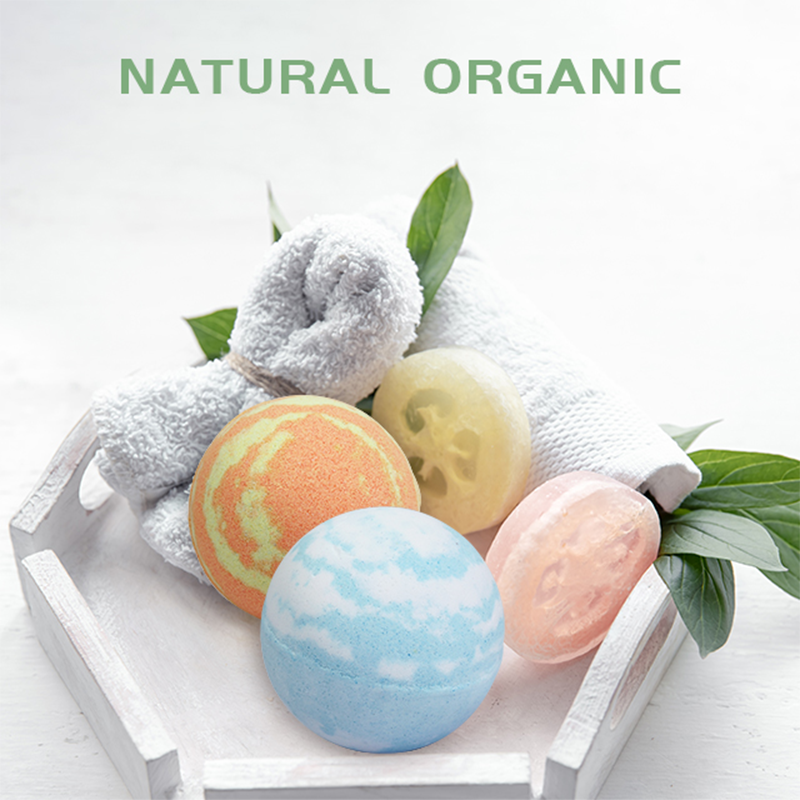
What Happens When a Bath Bomb Hits the Water
When a bath bomb drops into warm water, a chemical reaction begins immediately. The heat helps the baking soda and citric acid dissolve faster, releasing carbon dioxide. This makes the bomb spin, bubble, and break apart — almost like a tiny underwater volcano.
The fizzing also helps spread oils and colors evenly across the water’s surface. This process doesn’t just look cool; it changes the texture of the water slightly, making it feel smoother. Kids often describe it as “watching magic happen in the bath,” and in a way, they’re right — it’s science you can see.
How Bath Bombs Became a Popular Bath Product
The idea of the bath bomb was first introduced in the late 1980s by Mo Constantine, co-founder of Lush. She wanted to create a fun, skin-friendly way to enjoy baths without using harsh soaps or foaming agents. Her simple idea grew into a global phenomenon.
Today, bath bombs come in countless shapes, colors, and scents. They’re used not just for fun but also for relaxation rituals and self-care routines. Their popularity lies in how they blend art and science — turning a moment of hygiene into an experience of joy and curiosity.
The Origins of the Term “Bath Bomb”
The phrase “bath bomb” didn’t just appear out of nowhere — it came from a mix of creativity, chemistry, and a bit of humor. The name captures both the explosive fizzing reaction and the joyful surprise that happens when one hits the water. Let’s explore how this playful term came to life and found its way into everyday vocabulary.
The History and First Invention of Bath Bombs
Bath bombs were first created in 1989 by Mo Constantine, co-founder of the British company Lush. Inspired by the simple fizzing of Alka-Seltzer tablets, she wanted to create something that would make baths more exciting and gentle on the skin.
At that time, bath products were mostly limited to bubbles or salts. The bath bomb stood out because it combined science and self-care in a fun, sensory way. The invention started small but soon became a worldwide favorite — especially among those who loved the mix of color, fizz, and fragrance.
Why the Word “Bomb” Perfectly Describes the Reaction
The word “bomb” might sound dramatic, but it’s actually a playful metaphor. When dropped into water, the bath bomb “explodes” — not dangerously, of course, but with a burst of bubbles, color, and sound. The fizzing resembles a tiny, harmless chemical explosion.
Chemically, this reaction comes from the release of carbon dioxide gas as citric acid reacts with baking soda. The fast bubbling and spinning make it seem like a bomb going off under the surface. The name captured that energy — fun, dynamic, and full of surprise.
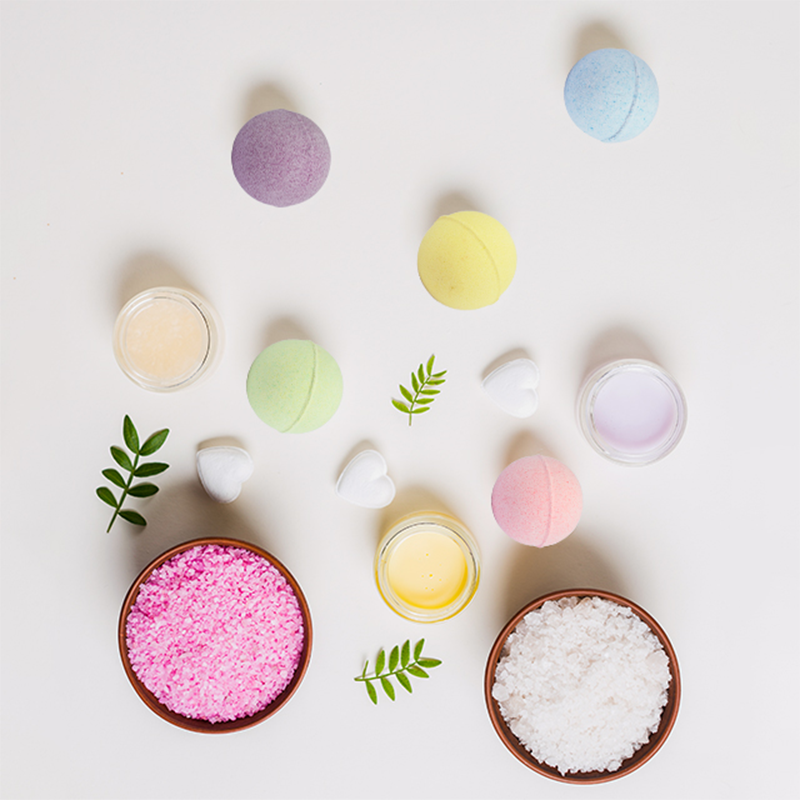
How the Name Caught On in Pop Culture and Beauty Trends
As bath bombs became more colorful and visually appealing, social media helped them take off. Videos of bath bombs dissolving in tubs filled with swirling colors became viral on platforms like Instagram and TikTok. People were fascinated by the combination of beauty and science.
Soon, “bath bomb” became a cultural term for any bath product that creates excitement and transformation. From kids’ bath time fun to luxury spa rituals, the word represents both relaxation and play. It’s proof that a good name, much like the product itself, can make an ordinary bath feel extraordinary.
The Science Behind the Fizz
The fizzing magic of a bath bomb might look like art, but it’s really science at work. When you drop one into the water, a chemical reaction begins — a mix of chemistry and design that turns a plain bath into an interactive experiment. Let’s explore what makes this reaction both safe and satisfying.
Key Chemical Ingredients — Baking Soda and Citric Acid
At the heart of every bath bomb are two simple but powerful ingredients: baking soda (sodium bicarbonate) and citric acid. When these two meet water, they react to release carbon dioxide gas. This creates the signature fizz that makes bath bombs so recognizable.
Both ingredients are safe and commonly found in kitchens. Baking soda is often used in cooking and cleaning, while citric acid comes from citrus fruits. In a bath bomb, these elements are perfectly balanced so the reaction is gentle on the skin while still visually fun and exciting.
The Reaction That Creates the Bubbling Effect
The bubbling begins the moment water touches the dry mixture. Citric acid donates hydrogen ions, while baking soda releases carbonate ions. When they combine, they produce carbon dioxide gas — the same type of gas found in sparkling water.
This gas forms bubbles that rush to the surface, giving that lively “explosion” of fizz. The process continues until all the acid and base are neutralized. Depending on the formulation, oils, colors, and fragrances are released along the way, slowly turning the bath into a colorful, aromatic pool.
Safe Chemistry in Everyday Self-Care Products
Even though it looks like a mini experiment, the chemistry behind bath bombs is mild and safe. The ingredients are food-grade and non-toxic, which means they dissolve completely without leaving harmful residues.
In fact, many bath bomb formulas are tested for skin compatibility, ensuring they maintain the natural pH balance of the skin. It’s science made simple — a perfect example of how everyday chemistry can be used not in a lab, but in your own bathtub, for a moment of calm, color, and curiosity.
Colors, Scents, and Sensory Appeal
Bath bombs aren’t just tiny balls of fizz — they’re designed to turn an ordinary bath into a full sensory experience. The combination of color, scent, and sound makes bath time something closer to art than routine hygiene. Let’s look at how these elements work together to delight the senses and calm the mind.
The Role of Essential Oils and Fragrances
Essential oils are what give bath bombs their unique personality. A hint of lavender can create calm, while citrus scents bring energy and brightness. These natural oils don’t just smell good — they also dissolve in warm water, gently spreading fragrance through the steam.
From a scientific view, smell is deeply connected to memory and emotion. According to research from the Frontiers in Behavioral Neuroscience (2018), certain scents can trigger relaxation and even reduce perceived stress. That’s why a bath bomb scented with eucalyptus or chamomile can transform your bathroom into a mini spa, engaging both body and brain.
How Colorants and Additives Create a Visual Experience
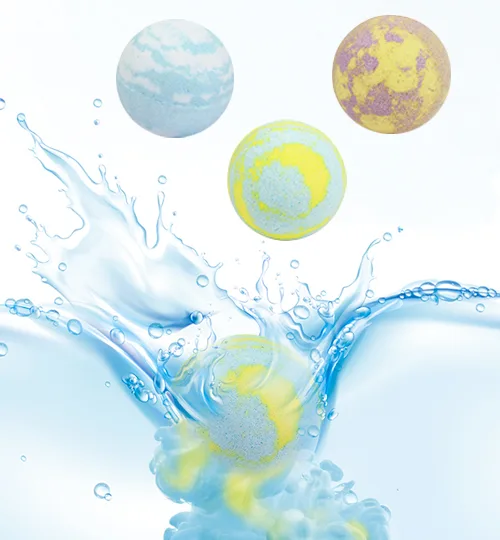
Color is another key to the bath bomb’s magic. When the bomb hits the water, pigments swirl and mix like watercolor paint, creating soft clouds or vibrant streams. This visual play isn’t just pretty — it can influence mood and relaxation.
Natural colorants such as mica or plant-based pigments are often used to create soft pastels or ocean-like blues. Some bath bombs even include skin-safe shimmer or flower petals that float on the surface, enhancing the dreamy atmosphere. It’s science meeting imagination, one bubble at a time.
The Psychology of Relaxation Through Bath Rituals
There’s something ancient and comforting about soaking in warm water. The fizz, color, and scent of a bath bomb add layers to that ritual, turning it into a sensory escape. Psychologists note that combining tactile warmth, soothing visuals, and gentle fragrance can signal the body to relax and the mind to unwind.
For many people, this ritual becomes more than skincare — it’s a brief return to simplicity, where chemistry, color, and calm come together. The bath bomb may seem small, but in that swirl of bubbles lies something deeply human: the joy of stillness wrapped in sensory wonder.
How Bath Bombs Engage the Senses
A bath bomb is more than a skincare product — it’s a small sensory performance that begins the moment it touches water. Its fizz, color, texture, and aroma combine to create a multisensory ritual that can calm the mind, refresh the body, and spark curiosity — especially in children and sensory learners.
The Sound and Sight of Fizzing Water
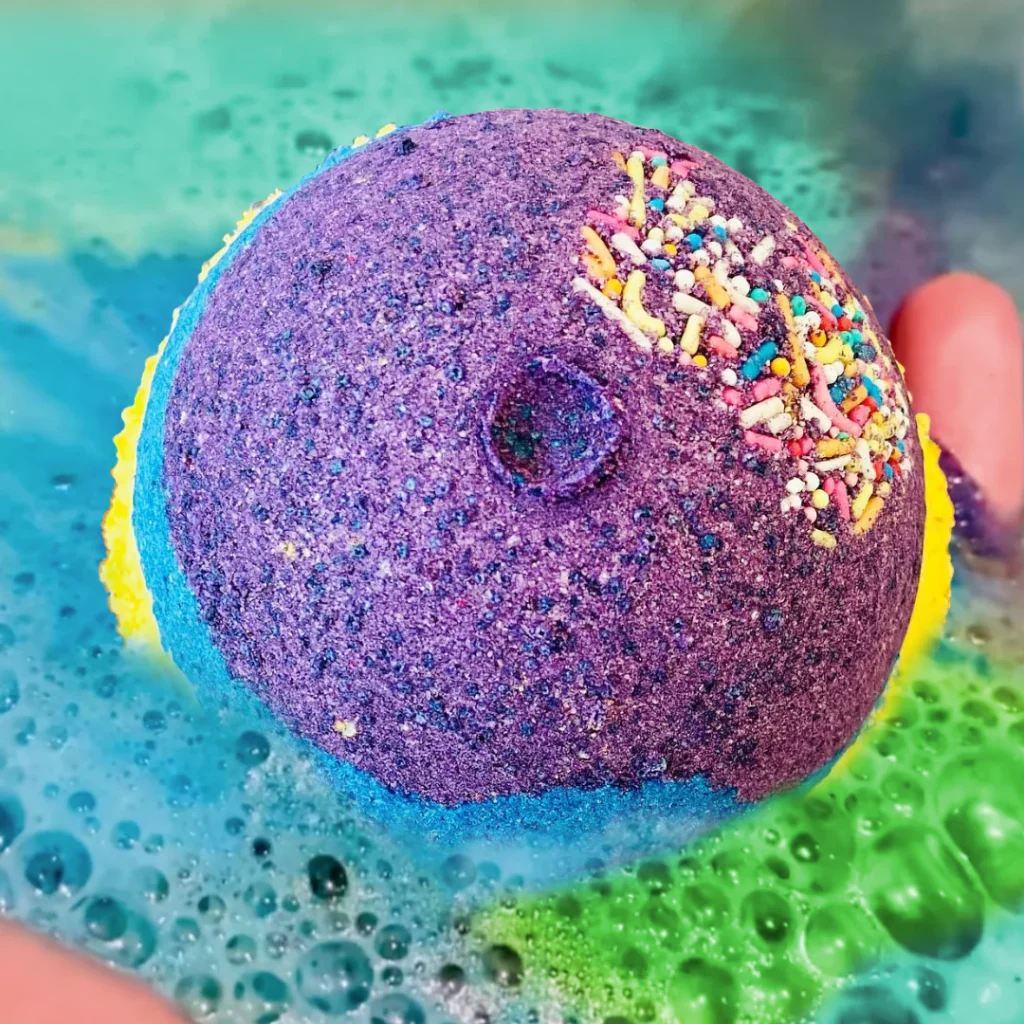
The “bomb” in bath bomb comes alive the instant it hits water. You hear the hiss and fizz as bubbles burst and swirl, much like a tiny science experiment. This sound is caused by the reaction between citric acid and baking soda releasing carbon dioxide gas.
Visually, the experience is almost hypnotic. Streams of color twist and dance across the surface, forming soft clouds or bright waves. For kids, this is part chemistry, part art — an experiment that paints the water while demonstrating cause and effect in a simple, delightful way.
The Tactile Experience of Soaking in Infused Water
Touch plays an equally important role in the bath bomb experience. As it dissolves, the water becomes silky, often due to ingredients like natural oils or butters that soften the skin. The texture change makes the bath feel smoother and more comforting, creating a gentle, spa-like touch.
This tactile element can also be therapeutic. The warm, smooth water stimulates circulation and eases tension. For sensory-sensitive individuals or children, the soft texture of the water provides a sense of calm through physical comfort — a reminder that self-care can be both simple and sensory.
The Aromatherapy Connection
Scent is the most emotional of the senses, and bath bombs use that power beautifully. Essential oils like lavender, peppermint, or sweet orange don’t just smell pleasant — they interact with the brain’s limbic system, which influences mood and relaxation.
Inhaling these scents during a bath can help reduce stress and create a sense of balance. It’s aromatherapy in its simplest form — no special equipment required, just warm water, fragrance molecules, and a few deep breaths. Together, the fizz, texture, and scent make bath bombs a full-body sensory experience that turns a daily routine into mindful relaxation.
Safety and Skin-Friendly Formulations
While bath bombs are fun and visually exciting, their safety and formulation matter just as much as their fizz. A well-made bath bomb is not only entertaining but also gentle on skin — especially when used by children or people with sensitive skin.
Understanding pH Balance and Skin Sensitivity
Human skin naturally maintains a slightly acidic pH — usually around 4.5 to 5.5 — which helps protect against irritation and harmful bacteria. Bath bombs, on the other hand, often rely on baking soda (a base) and citric acid (an acid) to create their fizz. When combined in water, they react and form a nearly neutral solution, close to the skin’s comfort zone.
However, not all bath bombs are perfectly balanced. A formula that’s too alkaline can leave skin feeling dry or tight after a bath. That’s why professional formulators test pH carefully during product development to make sure the result is mild and skin-compatible, even after the fun fizz has faded.
Why Non-Toxic Ingredients Matter for Children and Adults
Children’s skin is thinner and more delicate than adults’, making it more sensitive to strong fragrances, dyes, or harsh surfactants. Non-toxic bath bombs — those made with skin-safe colorants, mild natural oils, and food-grade citric acid — help minimize the risk of irritation.
Many modern bath bombs exclude ingredients like parabens, phthalates, or artificial glitter, which can cause dryness or allergic reactions. For families, choosing non-toxic options ensures that bath time stays playful and worry-free — a sensory treat, not a source of stress.
Tips for Safe Bath Bomb Use
A few simple habits can make bath bomb use safer and more enjoyable. First, always test a small area of skin before using a new bath bomb, especially for kids or those with sensitive skin. Second, avoid soaking for more than 20 minutes at a time — prolonged contact with any bath additive can cause dryness.
It’s also wise to rinse off lightly with clean water after your bath to remove any leftover residue. And for tubs, give a quick wipe-down afterward — some natural oils or colorants can cling to surfaces. By following these steps, you preserve both your skin’s comfort and your bathtub’s shine while keeping bath time a delightful ritual.
Environmental Considerations of Bath Bombs
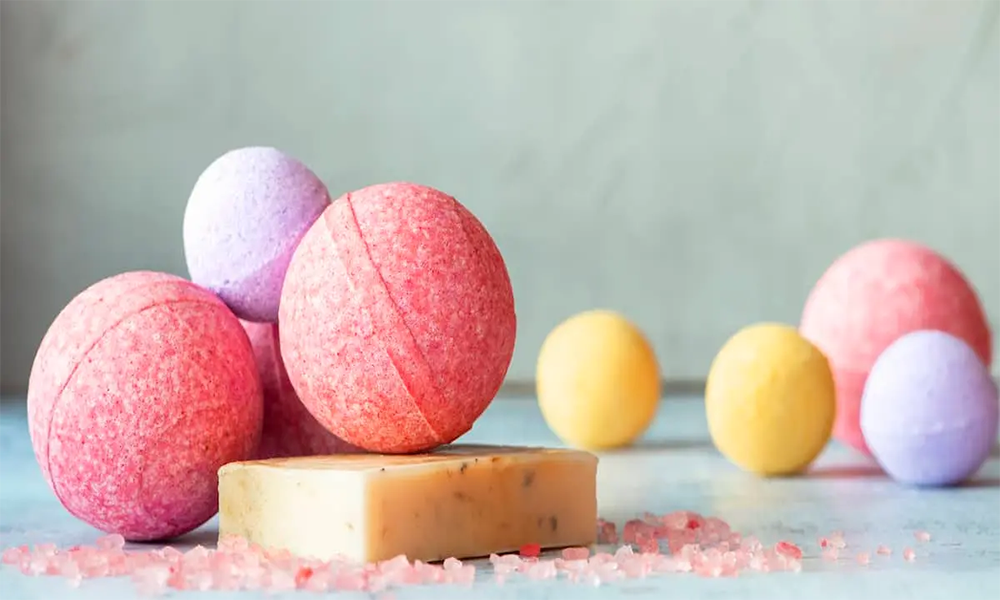
Behind every colorful fizz and fragrant swirl, bath bombs also raise important questions about sustainability. As consumers grow more aware of environmental impact, the focus has shifted toward how ingredients, packaging, and even water use affect the planet. A truly enjoyable bath experience should refresh both the body and the Earth.
Natural vs. Synthetic Ingredients
Traditional bath bombs often include synthetic dyes, artificial fragrances, and preservatives. While these ingredients can produce bold colors and long-lasting scents, some may contribute to water pollution or harm aquatic ecosystems once they’re rinsed down the drain.
In contrast, natural bath bomb formulations rely on plant-based oils, mineral pigments, and biodegradable binders. These ingredients tend to break down more easily in water without leaving residue or introducing microplastics. However, even natural ingredients must be sourced responsibly — palm oils, for example, can still impact rainforests if not sustainably produced. The key lies in mindful ingredient selection and ethical supply chains.
Eco-Friendly Packaging and Dissolvable Additives
A bath bomb’s environmental footprint doesn’t stop with what’s inside. Packaging plays a major role, too. Many eco-conscious producers are replacing plastic wraps with compostable paper, cardboard boxes, or even dissolvable films that vanish in water. These small design shifts reduce landfill waste and support zero-waste lifestyles.
Some modern bath bombs even include water-soluble glitter made from cellulose, which mimics the sparkle of traditional glitter without introducing microplastics. These eco-friendly alternatives prove that sustainability doesn’t have to come at the cost of creativity or sensory fun.
The Future of Sustainable Bath Products
The beauty industry is moving toward a new era of “clean chemistry,” where science and sustainability go hand in hand. Future bath bombs may feature biodegradable foaming agents, renewable plant-based ingredients, and carbon-neutral production methods.
In research labs, chemists are already exploring ways to make bath additives that dissolve completely without altering water ecosystems. As these innovations grow, the term “bath bomb” may one day represent not just fun and fizz, but also environmental responsibility — a symbol of balance between personal care and planetary care.
The Cultural and Emotional Meaning of Bath Bombs
Bath bombs are more than fizzy bath toys — they’ve become icons of comfort, creativity, and emotional release. Over the years, they’ve taken on cultural significance as symbols of self-care and sensory delight. What began as a simple bath additive now represents a moment of calm, joy, and even mindfulness in daily life.
From Self-Care to Sensory Play for Kids
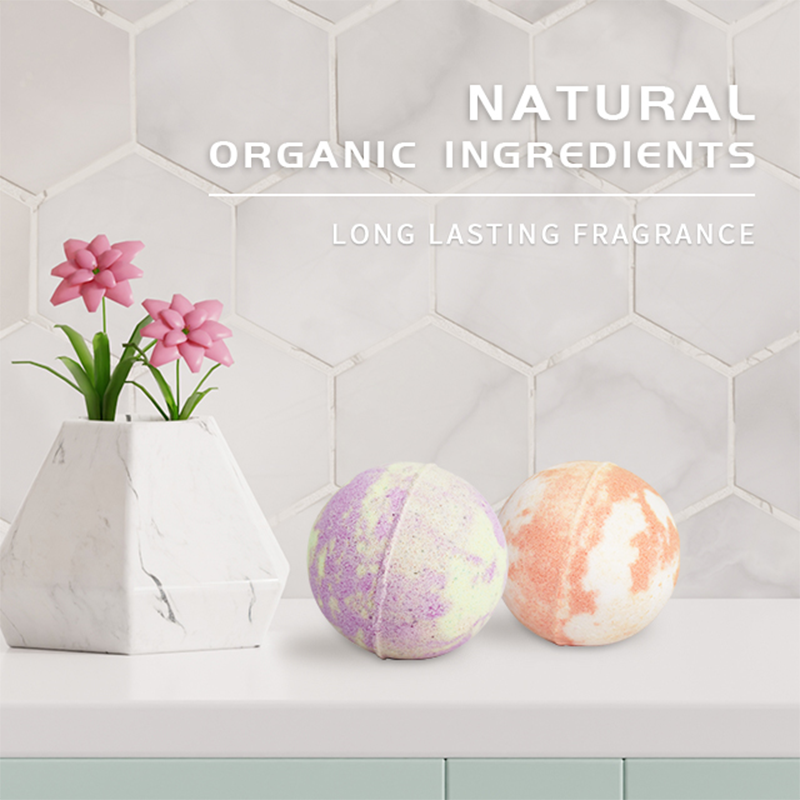
For adults, bath bombs often serve as a pause button — a sensory ritual that turns an ordinary bath into a spa-like escape. The fizzing sound, soft colors, and soothing scents create a brief but powerful experience of relaxation and grounding.
For children, however, bath bombs introduce the magic of science and play. As the sphere dissolves, colors swirl, bubbles form, and scents fill the air — turning bath time into both a learning moment and an adventure. Educators and parents sometimes use them to teach about safe chemical reactions or sensory awareness. In this way, bath bombs bridge generations, offering both comfort and curiosity.
How Bath Bombs Became Symbols of Relaxation and Joy
The rise of bath bombs in pop culture reflects a broader social shift toward wellness and emotional care. In an age of digital noise and constant stimulation, the bath bomb became a symbol of slowing down. Its theatrical fizz and cloud of fragrance invite stillness — a small act of rebellion against stress and hurry.
Psychologists note that sensory rituals, like watching a bath bomb dissolve, can activate calming neural pathways (Smith, 2020). The experience is immersive yet simple — an art form of quiet joy. That’s why bath bombs often feature in self-care routines, social media posts, and gift traditions around comfort and affection.
The Ongoing Evolution of Bath-Time Rituals
Bath-time culture has come a long way from its utilitarian roots. Once a routine for hygiene, it has become a multisensory escape — shaped by art, science, and emotion. Bath bombs now come in countless shapes, colors, and even themes, reflecting how people express personality through relaxation.
In the future, we may see bath bombs that combine aromatherapy, skincare, and mood-responsive technology — formulas that change color or scent based on water temperature or pH. But at its core, the meaning will remain the same: a simple, joyful moment that transforms water into wonder.
How Bath Bombs Encourage Learning Through Play
Bath bombs are not just a fun bath accessory; they also provide opportunities for informal learning. Their fizz, color, and scent create a hands-on experience that can spark curiosity, introduce basic chemistry concepts, and develop sensory awareness. Through play, children begin to connect observation, experimentation, and creativity in a safe environment.
Exploring Simple Chemistry at Home
The core reaction in a bath bomb — between baking soda and citric acid — produces carbon dioxide gas, creating the signature fizz. This simple chemical reaction is a practical introduction to scientific concepts such as acids, bases, and gas formation.
Parents and educators can encourage kids to observe how changes in water temperature, size of the bath bomb, or water volume affect the reaction. These small experiments make chemistry tangible and memorable without requiring a lab setting.
Color Mixing and Sensory Development
Bath bombs often contain vibrant pigments that swirl and blend in water. Children can watch how colors combine, separate, and create gradients, introducing basic concepts of color theory and artistic exploration.
Additionally, the textures, scents, and visual effects of bath bombs engage multiple senses at once. Tactile stimulation from fizzing bubbles, combined with aromatic oils and changing colors, supports sensory development and helps children refine attention and observation skills.

Connecting Bath Time with Curiosity and Discovery
By turning routine bath time into an interactive experience, bath bombs foster curiosity and independent thinking. Children can ask questions, predict outcomes, and make discoveries through repeated play.
Over time, these small moments of exploration contribute to a sense of confidence and problem-solving ability. Bath bombs demonstrate that learning can be playful, multisensory, and connected to everyday experiences, reinforcing that science and creativity exist even in the most familiar settings.
Tips for Getting the Most Out of a Bath Bomb Experience
Maximizing a bath bomb’s impact is about more than dropping it into water — it’s about creating an immersive, enjoyable, and sometimes educational experience. Thoughtful preparation and observation can enhance both relaxation and learning during bath time.
Preparing the Bath for the Best Reaction
To ensure the most dramatic fizz, fill the tub with warm water at a safe, comfortable temperature. Warmer water helps the citric acid and baking soda react more efficiently, producing more bubbles and movement.
Additionally, make sure the water is free of oils or soaps that may coat the surface, as this can reduce the fizzing effect. A clear, calm bath allows children and adults alike to fully enjoy the visual and tactile effects of the bath bomb.
Watching and Learning the Fizzing Process
Encourage observation as the bath bomb dissolves. Children can note the speed of the reaction, changes in color, and formation of bubbles. Asking simple questions, like “Why does it fizz?” or “What colors are mixing?” can transform bath time into a playful science lesson.
For adults, focusing on these sensory details — the sight, sound, and smell — can create a mindful, relaxing experience, enhancing the emotional and psychological benefits of a warm bath.
Turning Bath Time into a Relaxing or Educational Moment
Bath bombs can serve dual purposes depending on your goals. For relaxation, dim the lights, add calming scents, and watch the fizz unfold as a sensory escape.
For educational play, allow children to experiment safely with water volume, temperature, or even combining two different bath bombs. Observing cause and effect, color blending, and the fizzing reaction promotes curiosity and hands-on learning, all while keeping the experience fun and engaging.

Conclusion
Bath bombs are more than a playful bath accessory — they’re a blend of science, creativity, and sensory delight. From the fizzing chemical reaction that gives them their explosive name to the swirling colors, scents, and textures, each bath bomb transforms ordinary water into an engaging experience. They serve as tools for relaxation, stress relief, and even early science exploration for children.