Face painting combines art, play, and learning, offering children a hands-on way to explore creativity. It has a long tradition, from festivals to educational settings, providing visual and sensory experiences that engage imagination.
Modern face paint is designed to be safe, non-toxic, and easy to use, allowing kids to experiment with color and design while learning fine motor skills and social interaction.
Defining Face Painting in Child Play
Face painting refers to applying safe, colorful paints to the skin, often creating patterns, characters, or imaginative designs. In child play, it is more than decoration—it becomes a form of role play, storytelling, and sensory exploration. Children learn to express ideas visually while developing hand-eye coordination through brushwork and careful application.
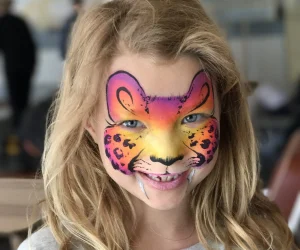
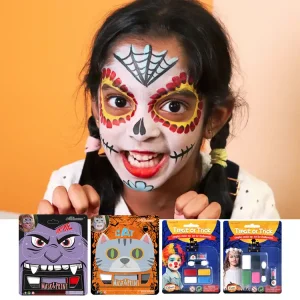
Face paint can also serve as a medium for themed activities, such as animal faces, superheroes, or seasonal characters. Using paints in structured or free play settings encourages creativity, confidence, and experimentation with shapes, lines, and colors.
Historical and Cultural Context of Face Art
Face painting has roots in many cultures worldwide, from ceremonial masks in Africa to festival makeup in Asia. Historically, it signified status, celebration, or spiritual expression. Over time, it evolved into a playful activity for children at fairs, parties, and community events.
Modern educational settings often borrow these cultural traditions to teach history, diversity, and artistic expression. By exploring face paint patterns from different cultures, children can gain cultural awareness while practicing creative skills in a safe, playful environment.
Why Face Painting Remains Popular in Education and Events
Face painting continues to engage children because it combines art, sensory play, and social interaction. Schools, libraries, and camps use face paint for storytelling, themed lessons, and creative workshops.
It provides a low-barrier form of artistic expression where children of all skill levels can participate. Unlike more structured crafts, face painting allows instant visual results, encouraging experimentation and boosting self-esteem. Additionally, its tactile, colorful nature makes it particularly appealing for multi-sensory learning and collaborative play.
Cognitive and Creative Benefits
Face painting stimulates creative thinking and cognitive skills by encouraging children to design patterns and characters. It provides opportunities to visualize concepts, plan designs, and experiment with colors, shapes, and textures, fostering early artistic development and imaginative problem-solving.
Stimulating Imagination and Storytelling
Children using face paint often transform themselves into animals, superheroes, or fantasy characters. This process enhances storytelling, as they invent narratives and act out roles. The combination of visual creation and imaginative play strengthens cognitive connections between ideas, memory, and expression.
Face painting also allows exploration of themes like nature, holidays, or cultural symbols. Through these playful exercises, children practice abstract thinking while experimenting with personal creativity, translating imaginative concepts into visible forms on their skin.
Enhancing Problem-Solving and Planning Skills
Designing a face painting requires planning: choosing colors, shapes, and placement to achieve a desired look. Children learn to anticipate outcomes, adjust techniques, and solve visual-spatial challenges. These exercises build analytical thinking in a fun, hands-on manner.
Complex designs can teach sequencing and step-by-step problem solving, as kids determine which elements to paint first. Repeated practice with face paint encourages iterative thinking and adaptability, skills transferable to broader academic and life contexts.
Emotional and Social Development
Face painting promotes emotional growth by giving children a safe outlet for self-expression and boosting confidence. Participating in collaborative face painting sessions nurtures social skills, empathy, and teamwork while providing a playful, non-competitive environment.
Building Confidence and Self-Expression
Seeing their ideas come alive on their faces empowers children and validates their creative choices. Face paint allows them to experiment with identity, express emotions, and gain pride in their creations. These experiences contribute to self-esteem and emotional resilience.
Repeated practice and positive feedback from peers or adults reinforce confidence in decision-making, encouraging children to explore new colors, designs, or storytelling approaches.
Encouraging Teamwork and Cooperation
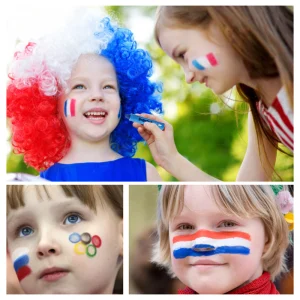
Group face painting activities often involve sharing tools, taking turns, and helping peers. Collaborative designs or themed events encourage communication, negotiation, and cooperation.
Working together on artistic projects fosters social understanding, patience, and empathy, allowing children to develop interpersonal skills while enjoying a creative and interactive experience.
Fine Motor Skills and Hand-Eye Coordination
Face painting provides children with hands-on practice that strengthens fine motor skills. Holding brushes, controlling strokes, and layering colors requires precision and coordination, helping young learners develop dexterity and spatial awareness.
Brush Techniques and Precision Practice
Using face paint brushes challenges children to control pressure, direction, and angle. Creating detailed designs, like lines, dots, or small shapes, trains finger muscles and improves hand stability. These skills transfer to writing, drawing, and other precision tasks.
Practice with different brush sizes and techniques also introduces children to artistic tools in a safe, playful way. Adjusting strokes for symmetry or design accuracy engages the brain’s visual-motor integration, enhancing cognitive-motor connections.
Developing Steady Hand Movements Through Play
Repeated use of face painting tools encourages steady hand movements. Children learn pacing, timing, and controlled gestures, which are crucial for tasks requiring fine motor coordination.
Interactive exercises, such as painting patterns on peers or themselves, combine fun with skill-building. These playful repetitions help reduce shakiness and improve confidence in manual tasks over time.
Sensory and Tactile Experiences
Face painting engages multiple senses, including touch, sight, and occasionally smell. Children explore smooth, creamy, or powdery textures, and perceive color intensity, enhancing sensory awareness and creative exploration.
Exploring Texture, Color, and Touch
Different face paint types provide varied textures, from soft water-based paints to light powders. Kids learn to differentiate surfaces, blend colors, and feel consistency changes, fostering tactile learning.
Mixing and layering colors strengthens visual discrimination skills and supports creativity. Sensory-rich experiences like these are particularly valuable in early education and for children developing artistic awareness.
Benefits for Children with Sensory Learning Needs
Face painting can be therapeutic for children with sensory processing challenges. The controlled, playful environment allows them to engage with textures, colors, and touch safely.
Structured or guided face painting helps children practice focus, patience, and adaptability. These sensory interactions improve comfort with new materials, increase tolerance to tactile experiences, and enhance overall learning engagement.
Integration with Learning and Curriculum
Face painting offers a creative bridge between play and education. By linking visual art to academic topics, children can explore subjects like storytelling, history, and literacy while engaging their imagination. This makes learning memorable and interactive.
Connecting Face Painting with Art and Literacy
Teachers can use face paint to illustrate characters from stories, encouraging children to act out narratives. This visual and kinesthetic approach reinforces literacy skills, comprehension, and creative writing.
Integrating color theory, shapes, and patterns introduces art concepts while children practice planning and design. Face painting thus becomes both a fun activity and a learning tool, connecting creativity with structured knowledge.
Using Themes to Reinforce Educational Concepts
Thematic face painting—like animals, seasons, or historical figures—can complement lessons in science, social studies, or cultural education. Children internalize concepts through role play and visual association.
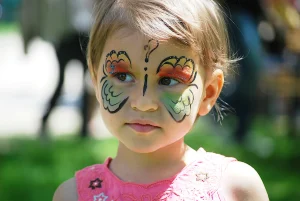
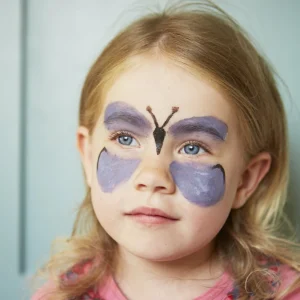
For example, painting butterfly wings can accompany lessons on metamorphosis, while cultural mask designs can teach geography or traditions. The activity makes abstract ideas tangible, helping children retain knowledge more effectively.
Safety and Material Considerations
Ensuring safety in face painting is essential, as children’s skin is sensitive. Using non-toxic, skin-safe ingredients reduces the risk of irritation or allergic reactions. Proper product selection and hygiene practices support worry-free play.
Non-Toxic Paints and Skin-Safe Ingredients
Face paints for children should meet safety standards, free from harsh chemicals, heavy metals, or synthetic dyes. Water-based paints are generally gentle, easy to remove, and suitable for sensitive skin.
Regularly checking ingredient lists and choosing certified products ensures safety. Additionally, washing tools between uses and supervising application minimizes contamination and promotes healthy play habits.
Avoiding Allergens and Irritation
Parents and educators should be aware of common allergens in face paints, such as fragrances or preservatives. Conducting patch tests before full application helps identify potential reactions.
Monitoring children for redness, itching, or swelling during play is important. By prioritizing hypoallergenic and dermatologist-tested products, face painting remains a safe, enjoyable, and educational activity for all children.
Tips for Parents, Educators, and Event Organizers
Face painting can be both fun and educational if approached thoughtfully. Selecting appropriate designs, tools, and activity structures ensures children stay engaged while learning safe habits and expressing creativity.
Choosing Age-Appropriate Designs and Tools
Younger children benefit from simple shapes, like stars, hearts, or animals, while older kids can experiment with detailed patterns and layered designs. Brushes, sponges, and safe stencils should match the child’s skill level to prevent frustration.
Age-appropriate tools also improve safety. Using small, soft brushes or easy-to-hold applicators helps children explore without strain. Adjusting complexity ensures that all participants enjoy the process while learning coordination and planning skills.
Structuring Face Painting Activities for Engagement
Structured sessions, such as themed storytime with face painting, help maintain focus and participation. Rotating stations or collaborative designs encourage interaction and teamwork.
Clear steps, short timeframes, and visual examples make activities approachable. Organizers can also integrate discussion or storytelling, reinforcing academic or social lessons through the playful medium of face paint.
Encouraging Creativity Without Mess or Stress
Setting up protective mats, aprons, and easy-clean supplies reduces mess and anxiety. Children can experiment with colors and patterns freely while learning responsibility for cleanup.
Positive reinforcement and encouragement, rather than strict rules, allow children to explore personal expression safely. The focus on fun combined with structure balances creativity and order, promoting confidence and enjoyment.

Modern Innovations in Face Painting
Recent developments in face painting tools and materials have enhanced safety, usability, and creativity. From easy-to-use applicators to eco-friendly formulas, modern innovations make the activity more accessible and sustainable.
Easy-Use Tools and Stencils
Stencils, sponge applicators, and preloaded brush systems help children and beginners achieve clean, precise designs. These tools reduce frustration, minimize mistakes, and allow focus on creative expression.
They are especially helpful in classroom or event settings, where multiple children participate. Easy-use tools ensure consistent results and reduce the time needed for instruction and supervision.
Eco-Friendly and Water-Based Paint Options
Water-based, non-toxic paints provide a safe alternative to traditional products. Many are biodegradable, hypoallergenic, and easy to wash off, aligning with modern sustainability and child-safety priorities.
These paints support environmental responsibility while allowing children to enjoy colorful, safe play. Combining eco-conscious materials with fun designs reinforces both creativity and awareness of safe, responsible practices.
Conclusion
Face painting combines creativity, learning, and safe play, offering cognitive, social, and motor benefits. Using non-toxic, age-appropriate materials ensures fun, confidence, and skill development while fostering imagination and responsible habits.