
Face paint may look simple—a box of colors waiting for imagination—but beneath the bright shades lies careful chemistry. Each ingredient has a job: some create color, some make the paint smooth, and others help it stick gently to skin. Knowing what’s inside face paint helps us understand why it feels soft, dries quickly, and washes off with ease.
Face paint isn’t just art; it’s a small science experiment that happens on the surface of the skin. When we learn what each component does, we can appreciate how color and safety balance together, especially for children with sensitive skin.
Why Knowing Face Paint Ingredients Matters
Understanding face paint ingredients helps parents, teachers, and artists make safe choices. Children’s skin absorbs and reacts differently from adult skin, so it’s important to know whether a pigment or binder is meant for cosmetic use. The U.S. Food and Drug Administration (FDA) approves specific colorants for skin contact, and these rules keep face paint separate from art paint (FDA, 2023).
Imagine a child at a fair, her cheeks shining with rainbow stripes. The fun lasts hours, but what stays on her skin matters even more than the color itself. By knowing the ingredient list—water, glycerin, mineral pigments, or wax—we can spot if a formula is truly designed for faces, not paper or plastic.
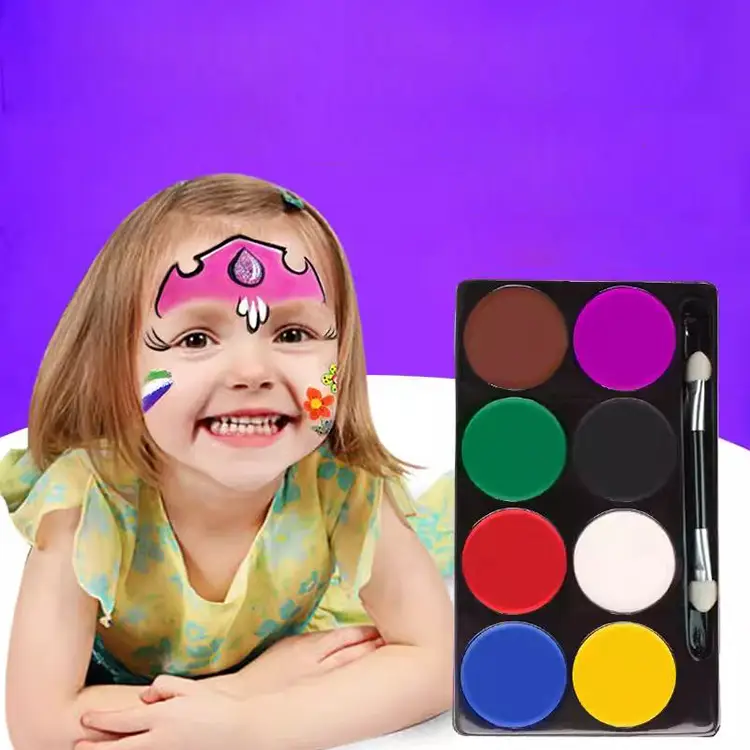
How Face Paint Differs from Regular Makeup and Art Paints
Face paint differs from adult makeup in both texture and purpose. Makeup is built for daily wear, containing oils, silicones, and stabilizers to stay flawless for hours. Face paint, on the other hand, must dry fast, cover boldly, and wash away without leaving stains. Its formulas skip many long-wear chemicals to keep skin breathing freely.
Art paints, like acrylic or tempera, may look similar but contain pigments and binders not meant for skin. Some of these pigments include metals or industrial dyes that can irritate or stain. This is why safety groups, including the American Academy of Dermatology (2018), warn against using craft paint on children’s faces—even for short events.
The Basic Components of Face Paint
Every jar of face paint is built from a few main ingredients that work together like a small chemistry team. Pigments bring color, binders keep it in place, and solvents blend everything into a smooth paste. When balanced correctly, these parts create a paint that feels light, colorful, and safe for skin.
Each component plays a specific role, and even small changes can affect how the paint looks, dries, or washes off.
Pigments and Colorants – The Source of Every Shade
Pigments are the heart of face paint. They give each color its brightness and depth. Safe pigments for cosmetic use are usually mineral-based or synthetic, and must be approved for use on skin (FDA, 2023).
For example, iron oxides create reds, yellows, and browns; titanium dioxide gives white; and ultramarines add blues and purples. Some older pigments once used in art paints, like cadmium or chromium-based colors, are not safe for skin contact. That’s why cosmetic-grade pigments are carefully purified and tested before use in face paint.
These pigments don’t dissolve in water; instead, they stay suspended in the formula, forming a thin, even layer when applied. This is why face paint colors appear bold yet easy to wash away—they sit on top of the skin rather than sinking in.
Binders and Film-Formers – How Paint Sticks to Skin
Binders act like glue in face paint. They hold the pigment particles together and help the color stay put once it’s dry. Common binders include natural gums, cellulose, or cosmetic polymers that form a soft film.
Without binders, pigments would smear or flake off too soon. However, too much binder can make face paint feel sticky or hard to remove. Getting the balance right is key—strong enough to stay during play, yet gentle enough to rinse away with water.
When a child runs around at a festival, it’s the binder quietly doing its work—keeping that butterfly design intact even through sweat or smiles.

Solvents and Carriers – Helping Ingredients Mix Smoothly
Solvents and carriers help blend pigments and binders into a creamy texture. In most kids’ face paints, water is the main solvent. It’s gentle, evaporates quickly, and allows for easy cleanup.
Glycerin and propylene glycol are common carriers that prevent drying and make the paint glide smoothly on skin. They hold moisture, keeping the formula flexible so it doesn’t crack. These ingredients also help the paint dry evenly, giving each color a smooth finish.
In short, solvents and carriers are the quiet engineers of face paint—ensuring the colors spread evenly and feel comfortable on the skin, not heavy or dry.
Common Ingredients Found in Kids Face Paint
Face paint made for children is carefully designed to be gentle, colorful, and easy to remove. Most products fall into two main types: water-based and wax or oil-based. Each uses different ingredients to achieve smooth texture and safe performance.
Water-Based Formulas and Their Gentle Composition
Water-based face paints are the most common for children because they are light and easy to clean. Their main ingredient is water, which acts as the solvent and helps blend all other materials into a soft, creamy paste.
These paints typically include cosmetic pigments, natural gums, and small amounts of glycerin or sorbitol. Glycerin adds flexibility, keeping the paint from cracking when it dries. Cellulose-based binders, derived from plants, help the paint stick to the skin without clogging pores.
For example, a bright butterfly design painted with a water-based formula can last through a few hours of play and still rinse off easily with mild soap. However, these paints may fade faster in humid or sweaty conditions because water naturally weakens the bond.
Wax and Oil-Based Paints Used for Professional Effects
Wax and oil-based face paints are often used in theater, parades, or photography because they create deep, rich colors and resist smudging. Instead of water, they rely on waxes such as beeswax, carnauba, or paraffin, combined with gentle cosmetic oils.
These ingredients help the paint stay creamy and vibrant even under bright lights. But since wax-based face paints form a thicker film, they need to be removed with a mild cleanser rather than plain water.
Although they last longer, wax and oil-based formulas can feel heavier on children’s skin. For younger kids, experts often recommend using them sparingly and only for short events, as they are harder to wash off completely.
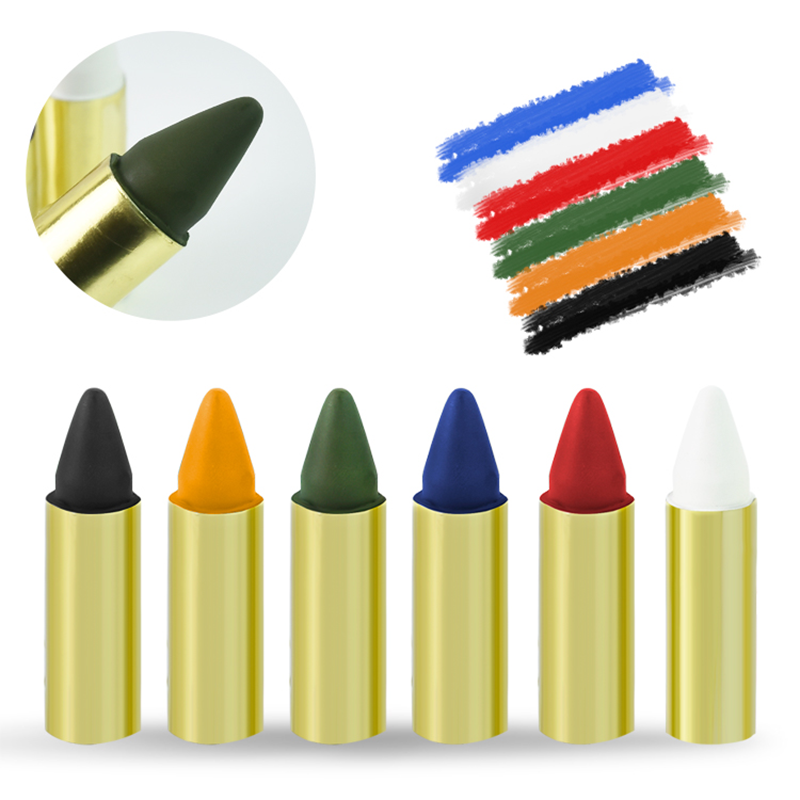
Safe vs. Unsafe Face Paint Ingredients
Not all colorful paints are meant for skin. Safe face paint uses ingredients tested for cosmetic use, while unsafe versions may contain industrial pigments or harsh chemicals. Knowing the difference is key to protecting children’s skin and preventing allergic reactions.
Safety doesn’t come from bright colors or smooth texture—it comes from chemistry and regulation. Understanding what belongs and what doesn’t helps parents make smarter, safer choices.
Ingredients Approved for Cosmetic Use
The U.S. Food and Drug Administration (FDA) and the European Commission approve specific pigments and additives that can be safely used in face paint. These include mineral-based pigments like titanium dioxide for white, iron oxides for red or brown, and ultramarine for blue (FDA, 2023).
Safe face paints also use mild binders such as gum arabic or cellulose derivatives, and humectants like glycerin or propylene glycol to keep them soft. Preservatives such as phenoxyethanol or potassium sorbate are sometimes added in small amounts to prevent bacteria growth.
A parent reading the ingredient label might see names like mica, magnesium stearate, or kaolin clay. These are all common, skin-safe materials used to stabilize texture and add gentle shimmer without irritation.
Substances That Should Be Avoided in Children’s Face Paint
Some ingredients that appear in art paints or low-quality products are unsafe for children’s skin. These can include heavy metals like lead, cadmium, or chromium compounds, which can cause rashes or long-term harm (American Academy of Dermatology, 2020).
Parents should also avoid face paints containing strong fragrances, parabens, or alcohol-based solvents, as these can dry or irritate young skin. Another warning sign is unlabeled or “mystery” pigments that don’t specify FDA approval.
For instance, if a cheap paint set has a strong chemical odor or lacks ingredient details, it’s best to skip it. Safe face paint should always have clear labeling, batch information, and usage instructions—signs that it was made under cosmetic safety standards.

The Science of How Face Paint Works on Skin
Face paint may look simple, but it’s built on fascinating chemistry. When it touches the skin, pigments, binders, and carriers interact to form a thin film that stays put yet remains flexible. Understanding this process explains why some paints last longer, while others fade or smudge.
Kids’ skin is especially delicate, so how face paint bonds—or doesn’t—depends on texture, moisture, and even temperature.
How Pigments Interact with Skin’s Surface
When applied, face paint spreads across the outer layer of the skin—the stratum corneum. This layer is made of dead cells and natural oils, forming a slightly rough surface. Pigments in the paint settle into tiny grooves, creating even color coverage.
Water-based paints rely on evaporation. As the water dries, binders hold pigment in place, forming a soft film that adheres without sinking into the pores. This is why face paint sits on top of the skin, unlike makeup foundations that may blend deeper.
For example, a rainbow stripe painted on a cheek stays bright because the pigments simply rest on the surface, not because they stain it. Once the binder weakens—often from sweat or friction—the color lifts easily during washing.
Why Some Face Paints Flake or Smudge Easily
Several factors can affect how well face paint stays on. Dry or oily skin, humidity, and paint thickness all play a role. When the skin produces excess oil, it breaks down the binder layer, causing color to slide or smudge.
On the other hand, overly dry skin can cause cracking or flaking because there isn’t enough moisture to keep the paint flexible. Applying too thick a layer can also cause peeling once it dries.
Imagine a summer fair: one child’s face paint melts after running around in the sun, while another’s flakes during an air-conditioned show. The science behind both is the same—the bond between skin and paint shifts with environmental changes.
Understanding Natural and Synthetic Ingredients
Face paint is made from a mix of natural and synthetic materials. Each type has a role: natural pigments offer gentle, skin-safe color, while synthetic ingredients enhance stability, brightness, and variety. Understanding both helps explain how face paint balances safety with vibrant performance.
Even simple designs rely on complex chemistry, combining the benefits of minerals, plants, and modern synthetic compounds to create safe, washable fun.
The Role of Mineral and Plant-Based Pigments
Mineral pigments, like iron oxides, titanium dioxide, and mica, are widely used in face paint for kids. These minerals are naturally occurring, ground into fine powders, and approved for skin contact (FDA, 2023).
Plant-based pigments, such as beetroot extract or chlorophyll derivatives, are also used occasionally for subtle colors. They are gentle on sensitive skin and provide natural shades without harsh chemicals. However, these pigments can fade faster and may require careful storage to prevent spoilage.
Mineral and plant-based pigments are usually combined with binders and carriers to make the color evenly spreadable and soft to touch. They form the foundation of skin-safe, colorful designs that wash off easily.

How Synthetic Ingredients Provide Stability and Color Variety
Synthetic pigments and additives allow face paint to achieve bright, vivid colors that last longer. Common examples include ultramarines, synthetic iron oxides, and certain approved lakes that offer pinks, blues, and purples.
These synthetic compounds are highly stable, meaning they resist fading from sunlight, moisture, or rubbing. They also allow for uniform texture and consistency, making the paint easier to apply in thin layers without cracking.
In practice, combining natural and synthetic ingredients gives face paint both safety and performance. A child’s bright tiger face or rainbow butterfly can be colorful, smooth, and gentle on skin—all thanks to the careful balance of natural and synthetic components.
Skin Sensitivity and Allergic Reactions to Face Paint
Even safe face paint can occasionally cause skin reactions in children. Understanding common irritants and how to prevent them helps parents and educators protect young skin while still allowing creative play.
Children’s skin is thinner and more reactive than adult skin, so minor chemicals or fragrances in face paint may trigger redness, itching, or bumps if precautions aren’t taken.
Common Irritants Found in Face Paints
Some ingredients, even in cosmetic-grade paints, can cause sensitivity. These include fragrances, preservatives like parabens, and certain synthetic colorants. Alcohol-based carriers or high-concentration pigments can also dry or irritate delicate skin.
For example, a child with eczema may react to a brightly colored paint with added fragrance, even if the pigments themselves are approved. Knowing the ingredient list and avoiding potential irritants is the best defense against skin issues.
How to Identify and Prevent Skin Reactions in Kids
Patch testing is the most reliable method to prevent reactions. Apply a small amount of face paint to the inner arm and wait 24 hours to check for redness or irritation. If any reaction occurs, that product should not be used on the face.
Other preventive measures include using water-based paints for younger children, avoiding paints with added fragrances, and washing off paint promptly after use. Gentle cleansers and soft cloths reduce friction, keeping the skin healthy while still enjoying creative designs.

How Regulations Define Safe Face Paint Ingredients
Face paint ingredients are regulated to ensure safety, especially for children. Government guidelines define which pigments, binders, and preservatives can be used on skin, distinguishing cosmetic products from art or industrial paints.
These regulations exist because children’s skin is more sensitive, and even small exposures to unsafe chemicals can cause irritation or long-term issues. Understanding the rules helps parents choose products wisely.
FDA and EU Guidelines for Cosmetic Colorants
In the United States, the FDA approves specific color additives for use in cosmetics, including face paint (FDA, 2023). Only pigments listed in the Code of Federal Regulations (CFR) Title 21 can be legally used on skin. Similarly, the European Union has a strict list of permitted cosmetic colorants and sets maximum concentrations to prevent irritation.
These regulations ensure that pigments, binders, and other additives have been tested for skin contact. Manufacturers must follow these guidelines to label products as safe for children, making regulatory compliance a key sign of product safety.
Why Not All Art Paints Are Safe for Skin Use
Art paints such as acrylics, tempera, or oil-based paints are formulated for paper, canvas, or other materials—not human skin. Many contain pigments or solvents that can cause rashes, burns, or allergic reactions in children.
For instance, heavy metals or industrial dyes used in some art paints may be toxic if applied to the face. Even “non-toxic” labels on craft paints don’t guarantee safety for delicate facial skin. This is why regulatory oversight is critical: only face paint designed and tested for skin should be used on children.
Environmental and Ethical Aspects of Face Paint Ingredients
Face paint ingredients are not just about color and safety—they also impact the environment and ethical standards. Parents and educators increasingly consider eco-friendly and cruelty-free options to reduce harm while still allowing creative play.
Biodegradable and Eco-Friendly Formulations
Some face paints use biodegradable binders and water-based formulas that break down safely after disposal. Natural pigments from minerals or plants reduce reliance on synthetic chemicals, lowering environmental impact.
For example, mica or clay-based pigments dissolve or return to soil harmlessly, unlike certain synthetic dyes that persist in water systems. Eco-friendly face paints often avoid heavy plastics, reducing waste and making clean-up safer for both children and the planet.
Animal Testing, Vegan Options, and Ethical Standards
Ethical considerations are also important. Many manufacturers now offer vegan face paints, meaning no animal-derived ingredients like carmine or beeswax are used. Cruelty-free certification ensures products are not tested on animals.
This ethical approach aligns with modern parenting values, letting children enjoy face painting while supporting products that respect animals and sustainability. It also demonstrates how safety, ethics, and fun can coexist in creative play.
Practical Tips for Parents and Educators
Understanding face paint ingredients is important, but knowing how to use and store face paint safely is equally essential. Proper handling ensures vibrant, safe, and stress-free fun for children during creative activities.
Small steps, like checking labels or keeping paints clean, make a big difference in protecting delicate skin while still allowing kids to enjoy the colors.
How to Read a Face Paint Ingredient Label
Reading ingredient labels helps identify safe face paints for children. Look for FDA-approved pigments, water-based solvents, and binders like gum arabic or cellulose. Avoid paints with industrial dyes, strong fragrances, or unclear labeling.
For example, a label listing titanium dioxide, iron oxides, glycerin, and water indicates a standard, safe formulation. Labels should also include batch numbers or expiration dates, which show the product was made under regulated conditions.
Storing and Using Face Paint Safely with Children
Proper storage keeps face paint safe and effective. Store paints in a cool, dry place away from direct sunlight. Water-based formulas should be tightly sealed to prevent drying or bacterial growth.
During use, supervise children to avoid accidental ingestion or eye contact. Clean brushes and sponges between applications to reduce contamination. Simple routines like these maintain both safety and quality while letting kids enjoy face painting freely.

Conclusion
Face paint is a fascinating blend of science, art, and safety. From pigments and binders to solvents and carriers, each ingredient has a role in creating vibrant, skin-safe designs for children.
Choosing FDA-approved pigments, water-based formulas, and ethically sourced materials ensures that kids can enjoy face painting safely. By reading labels, storing paints properly, and practicing gentle application, creative play remains fun, colorful, and worry-free.
Face painting is more than decoration—it’s a small chemistry lesson in motion, combining color, texture, and imagination while keeping children’s skin healthy and safe.