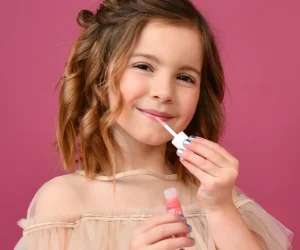
Kids Halloween makeup is a specialized category of face paint and cosmetics made for young, sensitive skin. Unlike adult products, these formulations are designed with mild ingredients, controlled pigments, and low-risk preservatives.
Why Understanding Ingredients Matters
Knowing the ingredients in kids makeup is important because children’s skin is thinner and more sensitive than adult skin. Certain chemicals or dyes that are safe for adults can irritate or trigger allergies in kids. By reading ingredient lists, caregivers can spot potential irritants like heavy metals, strong preservatives, or artificial fragrances.
It also matters for repeated use. Kids often reapply makeup or wear it for long periods during parties or events. Ingredients that seem harmless in small amounts may build up or cause reactions if used frequently. Awareness helps minimize risks and supports safe play.
Differences Between Adult and Kids Makeup
Adult makeup often contains stronger pigments, heavier oils, and more complex chemicals for durability and long wear. These formulas can be drying or irritating to young skin. In contrast, kids makeup uses milder, water-based formulas and pigments tested for safety on sensitive skin.
Additionally, adult products may include ingredients aimed at anti-aging or cosmetic coverage, which are unnecessary for kids. Kids formulations prioritize ease of removal, low allergenicity, and skin-friendly hydration. This distinction is why caregivers should avoid using adult makeup on children.
Common Base Ingredients in Kids Halloween Makeup
Kids Halloween makeup is built on simple, skin-friendly bases. These foundations ensure the makeup spreads easily, adheres lightly, and can be removed without harsh scrubbing.
Water-Based Formulas
Water is the main ingredient in most kids face paints and creams. Water-based formulas are gentle and easy to rinse off. They keep the makeup lightweight and reduce the need for strong chemicals.
These formulas are less likely to clog pores or irritate skin. They also allow pigments to disperse evenly, creating smoother colors. Because they are water-based, they dry quickly but remain flexible, which helps prevent cracking during play.
Glycerin and Moisturizing Agents
Glycerin is a common humectant in children’s makeup. It attracts moisture to the skin, keeping face paint soft and preventing dryness. Other moisturizers, like plant oils or mild emollients, may be added to support hydration.
These ingredients not only help makeup glide on smoothly but also reduce friction when applying or removing it. Hydrating agents are particularly important for children with sensitive or dry skin, as they lower the risk of irritation.
Non-Toxic Pigments and Dyes
Color in kids makeup comes from pigments that are tested for safety on sensitive skin. These dyes are typically non-toxic and free from heavy metals. Mineral pigments, like iron oxides, are common, as well as certified food-grade colorants.
Manufacturers test these pigments for reactions and skin absorption. Because children may accidentally ingest small amounts, safety standards are stricter than in adult makeup. Using non-toxic pigments helps ensure both fun and safety.
Natural vs Synthetic Colorants in Kids Makeup
Colorants are a key part of kids’ Halloween makeup. They give the fun, bright colors children enjoy, but safety is the priority. Colors can be synthetic or natural, each with different properties.
Safe Synthetic Colorants
Synthetic colorants are man-made chemicals that provide consistent, bright, and stable colors. In kids makeup, only specific, approved synthetic dyes are used to meet safety standards. These dyes are chosen because they are unlikely to irritate skin or cause allergic reactions.
They are tested for skin absorption, stability in formulas, and low toxicity. Synthetic pigments also maintain color even when exposed to water or sweat, which helps the makeup stay vibrant during play.
Plant-Derived and Mineral Pigments
Natural pigments come from plants, minerals, or other naturally occurring sources. Examples include iron oxides, mica, and certain vegetable dyes. These ingredients are valued for their low toxicity and gentle effect on skin.
Natural pigments can sometimes be less vibrant than synthetic dyes, and their color may fade more quickly. However, they are often well-tolerated by children with very sensitive or reactive skin, making them an important option in kids-safe makeup.
How Colors Are Tested for Safety
Both synthetic and natural pigments undergo strict testing before use in kids makeup. Tests include patch tests for allergic reactions, irritation studies, and checks for contaminants like heavy metals. Regulatory guidelines ensure that pigments meet low-toxicity standards suitable for children.
Manufacturers also evaluate ingestion safety because kids may accidentally lick their lips or touch their mouths. Only colorants that pass these tests are approved for use in children’s cosmetic products.
Skin-Friendly Binders and Thickeners
Binders and thickeners are essential in kids’ Halloween makeup. They help pigments stick to the skin, give the makeup structure, and control texture. Without these ingredients, colors would smear, run, or not stay on the face at all.
Common Binders Used in Kids Makeup
Binders are ingredients that hold pigments together and attach them to the skin. In kids makeup, mild polymers and natural gums are common. These binders are chosen for their low irritation potential and gentle adhesion.
They allow the makeup to spread smoothly while reducing flaking or patchiness. Some binders also help suspend pigments evenly in the water-based or cream formulas, ensuring consistent color with each application.
Role of Thickeners in Creams and Face Paint
Thickeners adjust the texture and viscosity of makeup. They make creams and paints easier to apply without dripping. Common thickeners include cellulose derivatives, starches, or certain gums that are safe for sensitive skin.
Thickeners also prevent pigments from settling at the bottom of containers and help maintain a uniform consistency over time. This makes application predictable and helps children enjoy creative designs without frustration or mess.
Preservatives in Kids Halloween Makeup
Preservatives are small but important ingredients in kids’ Halloween makeup. They prevent harmful bacteria, mold, and yeast from growing in products that contain water. Without them, makeup could spoil quickly and pose health risks, especially for children with sensitive skin.
Why Preservatives Are Needed
Most kids makeup is water-based, which creates a favorable environment for microorganisms. Bacteria and fungi can grow rapidly in wet formulas, leading to infections or skin irritation. Preservatives slow or stop this growth, keeping the product safe for multiple uses.
They also extend the shelf life of makeup, ensuring it remains effective and stable over time. Even though kids makeup is used occasionally, preservatives protect against contamination from repeated dipping of brushes or fingers into the product.
Common Low-Risk Preservatives
Kids-safe preservatives are carefully selected for minimal irritation and toxicity. Examples include certain parabens at low concentrations, phenoxyethanol, and benzyl alcohol. These compounds are regulated and tested to ensure they meet safety standards for children’s cosmetics.
Manufacturers often combine preservatives with water-based formulas in small amounts to achieve effective protection. This careful balance ensures that the makeup remains hygienic without harming sensitive skin or causing allergic reactions.
Moisturizers, Emollients, and Skin Protectants
Kids Halloween makeup often includes ingredients that support skin health. Moisturizers and emollients keep the skin soft, while protective agents help reduce irritation from repeated use or removal. These components make makeup gentler and more suitable for sensitive skin.
Hydrating Ingredients
Hydrating ingredients, like glycerin or mild plant-based humectants, attract water to the skin. They help maintain moisture while makeup is applied and worn. This prevents dryness, tightness, or flaking, especially on delicate areas like cheeks and around the eyes.
Hydration also improves the spread and adhesion of makeup. Smooth, hydrated skin allows pigments to glide evenly, reducing streaking or patchy coverage. In children with naturally dry skin, these ingredients play an important role in comfort during play.

Barrier Protectants for Sensitive Skin
Barrier protectants form a thin layer over the skin to reduce friction and shield it from potential irritants in makeup. Common agents include light oils, silicones, or mild emollients that do not clog pores.
These protectants are especially useful when makeup is worn for several hours. They help minimize redness, chafing, or irritation, and make removal easier without scrubbing. By combining hydration with barrier support, kids makeup remains safer and more comfortable for sensitive skin.
Fragrances and Additives in Kids Makeup
Fragrances and additives are included in some kids makeup to improve smell, texture, or performance. While they can make the product more appealing, they are carefully controlled to avoid irritation or allergic reactions.
Fragrance-Free vs Lightly Scented Options
Some kids makeup is completely fragrance-free, which reduces the risk of skin irritation. Others may have mild scents derived from safe essential oils or approved cosmetic fragrances.
Fragrance-free formulas are preferred for very young children or those with sensitive skin. Lightly scented options are usually tested for safety and are unlikely to cause reactions when used as directed.
How Additives Enhance Texture and Wear
Additives like stabilizers, softeners, and light emulsifiers improve texture and spreadability. They help makeup glide smoothly, prevent clumping, and maintain even color.
These ingredients also support the product’s durability on the skin, allowing colors to stay consistent during play while still being easy to wash off. Safety tests ensure that additives do not compromise skin health.
Safety Considerations and Regulatory Standards
Safety is the most important factor in kids Halloween makeup. Strict standards, scientific testing, and professional guidance help ensure products are suitable for children’s delicate skin.
Pediatric Dermatology Insights
Pediatric dermatologists emphasize that children’s skin is thinner, more sensitive, and absorbs substances differently than adult skin. Even mild irritation can lead to rashes or discomfort.
Dermatologists recommend using products specifically formulated for children, performing patch tests before full application, and avoiding makeup near the eyes or mouth for very young kids.
How Makeup Is Tested for Allergies and Irritation
All kids-safe makeup undergoes tests to identify potential allergic reactions or irritation. Patch tests, repeated-use studies, and microbiological assessments are common. Regulatory agencies set limits on toxic substances and ensure products meet strict safety standards.
Testing also considers accidental ingestion, which is important for products applied around lips or face. Only ingredients that pass safety evaluations are approved for children’s use.
Guidelines for Safe Application and Removal
Safe application includes washing hands before use, using clean brushes or sponges, and applying makeup in thin layers. Caregivers should avoid sharing products between children to prevent contamination.
Removal should be gentle, using mild cleansers or wipes, and followed by moisturizing if necessary. Avoid scrubbing, as it can irritate delicate skin. Observing these practices ensures children enjoy makeup safely and comfortably.
Conclusion
From water-based formulas and non-toxic pigments to moisturizers and mild preservatives, each ingredient is designed for delicate skin. Following safety guidelines ensures fun, creative play without irritation or risk.