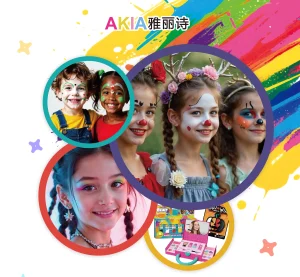
The market for children’s makeup has grown steadily. Eight-year-olds are increasingly exposed to play cosmetics, stage makeup, and themed products. Brands and wholesalers need to balance fun with safety, ensuring products suit delicate skin and meet regulatory standards.
Trends in Children’s Cosmetic Products
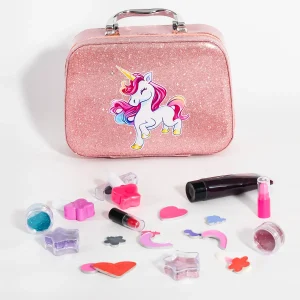
Children’s makeup is evolving from simple face paints to products that mimic adult cosmetics but remain gentle and washable. There is growing interest in hypoallergenic formulas, bright but safe pigments, and themed kits that encourage creative play while avoiding harsh chemicals. These trends are guided by both consumer demand and safety regulations.
Another trend is the integration of educational elements. Products now often include instructions on safe use and care, teaching children about skin sensitivity and proper application. This helps brands position their products as both fun and responsible, which is increasingly important for retailers and wholesalers.
Safety Concerns Driving Product Design
Safety is the primary concern for any makeup intended for children. Eight-year-olds have thinner skin and higher absorption rates than adults, making them more susceptible to irritation, allergic reactions, or chemical exposure. Formulations must avoid heavy metals, strong solvents, and synthetic fragrances that can trigger sensitivity.
Design also extends to packaging and usability. Products should be easy to apply and remove, with tools and containers that prevent accidental ingestion or misuse. Regulatory guidelines, such as those from the European Union on cosmetic safety for children, influence every stage of product development, ensuring compliance and consumer confidence.
Understanding 8-Year-Old Skin from a Product Perspective
Eight-year-old skin is still developing and differs significantly from adult skin. It is thinner, produces less natural oil, and is more prone to irritation. For brands and wholesalers, understanding these differences is critical when designing products that are safe, effective, and suitable for repeated use in this age group.
Skin Sensitivity and Barrier Function
Children’s skin has a weaker barrier compared to adults. The stratum corneum, the outer protective layer, is thinner and more permeable. This means chemicals and pigments in makeup can penetrate more easily, increasing the risk of irritation or redness.
Even mild products can stress the skin if used frequently or with friction. Brands must consider contact time and formula strength to reduce potential adverse effects while maintaining performance for play or stage use.
Implications for Ingredient Selection
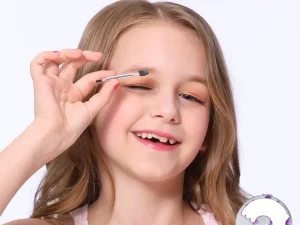
Ingredient choice is crucial. Heavy metals, strong solvents, synthetic fragrances, and harsh preservatives can irritate young skin or trigger allergic reactions. Instead, formulas with minimal, hypoallergenic, and non-toxic ingredients are preferred.
Pigments should be certified safe for children, and emulsifiers or oils should not disrupt the skin barrier. The goal is to create a product that removes easily, reduces friction, and is suitable for delicate skin without sacrificing color or play value.
Regulatory Considerations for Kids’ Products
Children’s makeup must meet stricter safety standards than adult products. Regulatory agencies, such as the European Commission and the FDA in the U.S., provide guidance on allowable ingredients, heavy metal limits, and labeling requirements.
For example, products intended for children should avoid restricted preservatives and include clear instructions for safe use. Compliance reduces liability for brands and reassures retailers and wholesalers that products are safe for young users.
Types of Makeup Suitable for 8-Year-Olds
When designing products for eight-year-olds, choosing the right type of makeup is key. Products must be age-appropriate, easy to apply and remove, and formulated with safe ingredients.
Play Makeup and Face Paint
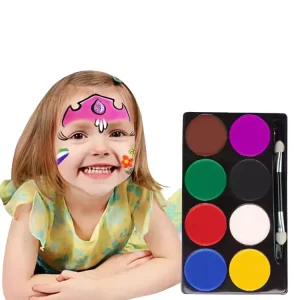
Play makeup and face paints are among the most common products for eight-year-olds. These products are designed to be washable, low-irritant, and brightly colored to encourage imaginative play.
Formulations should be free from heavy metals, harsh pigments, and strong fragrances. Easy removal is critical to prevent friction and skin stress, and packaging should reduce accidental ingestion or spills.
Light Lip Gloss and Tinted Balms
Lip products for this age group are typically sheer or lightly tinted. They should contain moisturizing agents rather than drying solvents and avoid strong flavors or fragrances that may irritate sensitive lips.
Safe formulations allow children to enjoy color and shine without compromising skin health. Tools like soft applicators or small tubes also reduce misuse and improve product safety.
Stage or Costume Makeup for Kids
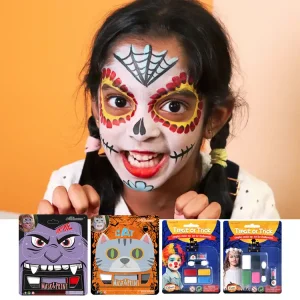
Stage or costume makeup is thicker and more pigmented than play makeup. It is often used for school plays, dance performances, or themed events. These products must be formulated to withstand heat, sweat, and friction without harsh chemicals.
Safety is ensured by using certified pigments, hypoallergenic ingredients, and washable formulas. Instructions for proper removal are essential to avoid irritation, particularly around eyes and hairline areas.
Safe Ingredients for Children’s Makeup
Selecting safe ingredients is the foundation of age-appropriate makeup for eight-year-olds. Children’s skin is more sensitive, so formulas must minimize the risk of irritation or allergic reactions. Brands and wholesalers should prioritize simplicity, non-toxicity, and hypoallergenic ingredients when designing products for this age group.
Avoiding Common Irritants and Allergens
Certain ingredients commonly found in adult cosmetics can be harmful to children’s skin. These include strong fragrances, preservatives, and synthetic dyes. Even small amounts may trigger redness, itching, or contact dermatitis.
Testing and careful selection of pigments, especially bright or metallic colors, is essential. Avoiding harsh chemicals reduces the likelihood of skin reactions while maintaining product performance and color vibrancy.
Fragrance, preservatives, and strong dyes
Fragrances and preservatives are frequent sources of allergic reactions in children. Strong synthetic dyes can also irritate sensitive skin. For products targeting eight-year-olds, limiting these ingredients or using milder alternatives is critical.
Safe alternatives include natural or certified low-irritant preservatives and carefully selected pigments. This reduces the chance of contact allergies and makes the product safer for everyday or occasional use.
Heavy metals and harsh pigments
Heavy metals such as lead, cadmium, or chromium can sometimes be present in low-quality pigments. These pose significant health risks and must be strictly avoided in children’s makeup.
Harsh pigments may also compromise the skin barrier and cause staining or irritation. Choosing certified, tested pigments ensures compliance with safety standards and protects young users from long-term harm.
Recommended Minimal and Hypoallergenic Formulations
Minimal formulations with fewer ingredients reduce the risk of irritation or allergic reactions. Hypoallergenic products designed for children often focus on basic pigments, gentle oils, and safe binders.
These products should also be easy to remove with water or mild cleansers, limiting friction and stress on the skin. For brands and wholesalers, minimal and hypoallergenic formulations combine safety, compliance, and usability in one product line.
Packaging and Formulation Considerations
Packaging and formulation are just as important as the ingredients themselves. Eight-year-olds need products that are safe to handle, easy to clean, and visually appealing. Thoughtful design reduces the risk of accidents and improves the overall user experience, making products more marketable to retailers and parents alike.
Non-toxic, Choke-Safe Packaging
Packaging must prevent accidental ingestion and be made from non-toxic materials. Small parts, sharp edges, or easily removable caps can pose choking hazards.
Brands often use larger, rounded containers, secure lids, and child-safe closures. Clear labeling and compliance with toy safety regulations ensure products are safe for young users while reducing liability for wholesalers.
Easy-to-Clean Formulas
Formulas should be washable and remove easily without harsh cleansers or excessive rubbing. Products that leave residues can irritate sensitive skin or cause staining on clothes and surfaces.
Water-based or mild oil-based formulas are preferred. Easy cleanup increases usability, reduces parental concern, and makes products more suitable for repeat use in play, performance, or classroom settings.
Fun, Age-Appropriate Colors and Textures
Color selection and texture design are key to engaging eight-year-olds. Bright, pastel, or themed colors can enhance play experiences without relying on unsafe pigments.
Textures should be soft, smooth, and easy to apply, avoiding gritty or overly sticky products. Thoughtful sensory design adds play value while keeping safety and skin comfort as top priorities.
Application and Usage Guidelines for Products
Proper application and usage guidelines are essential for children’s makeup. Eight-year-olds need products that are simple to apply, easy to remove, and safe to handle. Brands and wholesalers benefit from including clear instructions and age-appropriate tools, ensuring both fun and safety.
Short-Wear, Washable Products
Products for eight-year-olds should be designed for short wear and easy removal. Long-lasting or waterproof formulas increase the risk of skin irritation and require harsher cleansers.
Washable products allow children to enjoy color and creativity while minimizing stress on the skin. Quick removal also reduces friction and keeps repeated use safe, aligning with industry safety standards.

Clear Instructions for Kids and Supervisors
Clear, easy-to-read instructions are critical. Labels should specify recommended age, application steps, and removal methods.
Instructions aimed at both children and supervising adults reduce misuse and ensure safe handling. Including tips on patch testing or limiting application time helps protect sensitive skin and builds trust with buyers.
Tools and Accessories Designed for Safety
Application tools like brushes, sponges, and applicators should be soft, rounded, and sized for small hands. Hard or sharp tools can injure children or damage delicate skin.
Including safe accessories also improves the play experience and teaches proper use. For brands and wholesalers, designing with safety in mind strengthens product appeal and regulatory compliance.
Compliance and Safety Testing
Proper testing builds trust with retailers, parents, and regulatory agencies, making products safer and more market-ready.
Pediatric Dermatology Guidelines
Pediatric dermatology provides clear guidance on safe formulations for children. Experts recommend avoiding harsh solvents, strong fragrances, and allergenic preservatives.
Following these guidelines helps brands create products suitable for sensitive skin while minimizing the risk of irritation or allergic reactions. This scientific backing strengthens product credibility and consumer confidence.
Regulatory Standards for Children’s Cosmetics
Children’s cosmetics are subject to stricter regulatory standards than adult products. Agencies like the European Commission, FDA, and Health Canada define limits on heavy metals, allergens, and preservatives.
Brands must ensure products comply with these rules and display proper labeling. Compliance reduces liability and allows wholesalers to confidently market products in multiple regions.
Patch Testing and Consumer Safety Practices
Patch testing is recommended before wide release of children’s makeup. Testing on a small area identifies potential reactions and ensures formulations are safe for sensitive skin.
Brands should provide guidance for safe use, encourage supervision, and include instructions for reporting adverse reactions. These practices protect children, retailers, and the brand’s reputation while demonstrating commitment to safety.
Ingredients or Formats to Avoid for 8-Year-Olds
Children’s skin is delicate, and exposure to harsh chemicals or improperly designed products can cause irritation, allergic reactions, or long-term sensitivity.
Harsh Chemicals or Solvents
Strong solvents, alcohols, or synthetic detergents can strip oils from children’s skin and disrupt the natural barrier. Even small exposures can cause dryness, redness, or irritation.
Formulations should minimize or eliminate harsh chemicals. Brands should focus on water-based, gentle emulsifiers and oils to safely remove color without stressing sensitive skin.
Products Not Designed for Children
Adult cosmetics or products intended for teens are often too strong for eight-year-olds. They may contain concentrated pigments, fragrances, or preservatives that are unsafe for young users.
Using adult formulations for children increases the risk of skin reactions and allergic sensitization. Brands and wholesalers should only source or create products explicitly tested and designed for children.
Long-Lasting or Difficult-to-Remove Formulas
Waterproof or long-lasting makeup may require harsh cleansers for removal, which can irritate delicate skin. Thick or sticky products also increase friction during removal, further stressing the skin barrier.
For eight-year-olds, short-wear, easily washable formulas are safer. Brands should prioritize quick removal, minimal rubbing, and gentle ingredients to maintain skin health while still providing fun and vivid colors.
Conclusion
Creating makeup for eight-year-olds requires balancing safety, fun, and usability. Products should use gentle, hypoallergenic ingredients, avoid harsh chemicals, and be easy to apply and remove. Packaging and tools must prevent accidents, and formulations should comply with pediatric and regulatory guidelines.
By focusing on safe, age-appropriate design, brands and wholesalers can deliver creative products that protect children’s skin and meet market expectations.